

Key Takeaways
- Vertical gardens save space – Perfect for small plots and urban areas
- Water efficiency – Use up to 90% less water than traditional gardens
- Year-round growing – Harvest vegetables throughout all seasons
- Easy maintenance – Less bending and weeding required
- Higher yields – Produce more food per square meter
- Suitable for beginners – Simple setup and management
- Cost-effective – Low initial investment with high returns
What is a Vertical Garden?
A vertical garden is a growing system that uses vertical space instead of horizontal ground area. Think of it as farming upwards rather than outwards. These systems stack plants in layers, creating a tower-like structure that maximizes food production in minimal space.

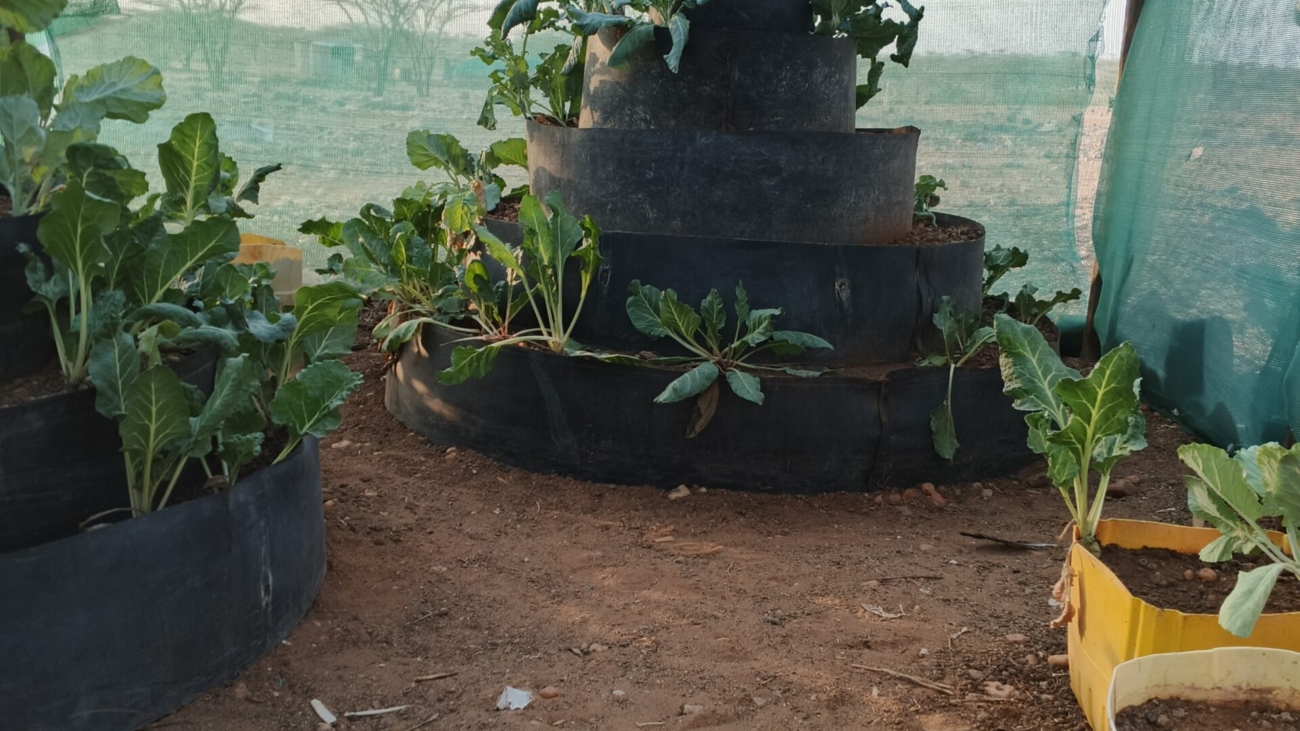
In Kenya, vertical gardens have become particularly popular due to land scarcity and water shortages. The cone-shaped design mimics a pyramid, with the widest section at the bottom and narrowing as it goes up. This structure allows multiple crop varieties to grow simultaneously while using minimal water and space.
The beauty of vertical gardens lies in their simplicity. You don’t need expensive equipment or years of farming experience. A basic setup can be constructed using everyday materials like plastic containers, polythene sheets, and soil mixed with organic matter. The system works by concentrating nutrients and water in a controlled environment, which leads to faster growth and higher yields compared to traditional flat gardens.
Many Kenyan farmers have discovered that vertical gardens produce vegetables continuously throughout the year. Unlike seasonal farming, these systems provide a steady supply of fresh produce regardless of weather conditions. The elevated design also protects crops from ground pests and reduces the risk of soil-borne diseases.
Benefits of Vertical Gardens in Kenya
Space conservation stands out as the primary advantage of vertical gardens. A single cone garden measuring just 2 meters in diameter can produce the same amount of vegetables as a traditional plot measuring 10 square meters. This efficiency makes vertical gardens ideal for urban dwellers with limited compound space.
Water conservation is another critical benefit, especially in arid regions like Turkana and Marsabit counties. Traditional gardens can lose up to 70% of water through evaporation and runoff. Vertical gardens use drip irrigation systems that deliver water directly to plant roots, reducing waste by up to 90%. This efficiency is crucial during Kenya’s frequent drought periods.

The financial benefits are substantial. A well-managed vertical garden can generate income of KES 5,000-15,000 per month from vegetable sales. Initial setup costs range from KES 2,000-8,000, making the return on investment attractive for small-scale farmers. Many women in rural areas have used vertical gardens to start successful vegetable businesses.
Nutritional benefits cannot be overlooked. Vertical gardens provide fresh vegetables year-round, helping families combat malnutrition. Children in households with vertical gardens show improved health outcomes due to consistent access to leafy greens and other nutritious vegetables. The convenience of harvesting vegetables just steps from your kitchen encourages regular consumption.
Best Plants for Vertical Gardens
Leafy greens perform exceptionally well in vertical garden systems. Kale, spinach, lettuce, and Swiss chard adapt perfectly to the cone structure. These crops have shallow root systems that don’t compete aggressively for space. They also mature quickly, allowing for multiple harvests throughout the year.
Herbs thrive in vertical gardens and provide excellent economic returns. Coriander, parsley, mint, and basil grow rapidly and command high prices in urban markets. A single cone garden can produce enough herbs to supply local restaurants or markets, creating a steady income stream.
Root vegetables like carrots, radishes, and beetroot work well in the lower, wider sections of cone gardens. These crops need more soil depth, so they’re typically planted in the bottom layers where containers are larger. The sandy soil mix used in vertical gardens provides excellent drainage for root development.

Climbing vegetables like tomatoes, beans, and peas can be incorporated using support structures. These plants are usually placed on the outer edges of the cone where they have room to spread. Cherry tomatoes work particularly well because they’re compact and produce continuously.
Avoid plants with extensive root systems like pumpkins or watermelons. These crops require too much space and can destabilize the cone structure. Also skip plants that need deep soil like fruit trees or large shrubs.
How to Start Your Vertical Garden
Site selection is crucial for vertical garden success. Choose a location that receives at least 6 hours of direct sunlight daily. The area should be level and well-drained to prevent waterlogging. Consider proximity to your water source, as you’ll need regular access for irrigation.
Gather your materials before starting construction. You’ll need containers of varying sizes (large buckets, medium pots, and small containers), polythene sheets or dam liner, quality soil, well-rotted manure, and basic tools like a spade and watering can. KNH Contractors offers complete vertical garden kits that include all necessary components.
Start by preparing your soil mixture. Combine equal parts of garden soil and well-rotted manure. This 1:1 ratio provides optimal nutrition for vegetable growth. Add a small amount of sand to improve drainage if your soil is heavy clay. The mixture should feel crumbly and hold together when squeezed.

Construct your cone by placing the largest container at the bottom, then stacking progressively smaller containers on top. Each layer should be offset slightly to create the cone shape. Fill containers with your soil mixture, leaving about 2cm from the rim for watering space.
Allow the soil to settle for 24-48 hours before planting. This settling prevents soil from compacting around new seedlings. Water the entire structure thoroughly to identify any drainage issues before adding plants.
Watering Systems for Vertical Gardens
Drip irrigation provides the most efficient watering method for vertical gardens. Install a main water line at the top of the cone, then branch smaller tubes to each planting level. Perforated pipes or drip emitters deliver water slowly and evenly to each plant.
For areas without reliable water supply, consider installing a borehole drilling system to ensure consistent irrigation. Professional borehole drilling services can assess your property and recommend the best water source options.
Manual watering works for smaller vertical gardens but requires more time and attention. Use a watering can with a fine nozzle to avoid disturbing soil or damaging delicate seedlings. Water early morning or late evening to minimize evaporation losses.

Monitor soil moisture by inserting your finger 2-3cm into the soil. If it feels dry at this depth, it’s time to water. Vertical gardens typically need watering every 2-3 days during dry seasons and less frequently during rainy periods.
Consider rainwater harvesting to supplement your irrigation system. Install gutters and collection tanks to capture rainfall from rooftops. This free water source reduces irrigation costs and provides chemical-free water for your vegetables.
Building a Vertical Garden Pyramid Tower
The pyramid tower design offers maximum growing space in minimal area. Start with a large container (60cm diameter) at the base, then stack containers of decreasing size: 50cm, 40cm, 30cm, and 20cm diameter. This creates a stable, cone-shaped structure that can hold 50-80 plants.
KNH Contractors provides pre-made pyramid tower kits that eliminate construction guesswork. These professional systems include properly sized containers, irrigation components, and detailed setup instructions. The investment typically pays for itself within 3-4 months through vegetable sales.
Fill each level with your prepared soil mixture, starting from the bottom. Pack soil firmly but not too tightly – roots need space to grow and water needs to drain properly. Leave drainage holes uncovered to prevent waterlogging.
Install your irrigation system before planting. Run the main water line up the center of the pyramid, then branch out to each level. Test the system thoroughly to ensure even water distribution to all plants.
Plant your vegetables starting from the top and working downward. Place smaller, lighter plants like herbs and lettuce on upper levels. Position larger plants like kale and spinach on lower levels where they have more soil volume and stability.
Planting and Maintenance Tips
Transplant seedlings when they’re 4-6 weeks old and have developed strong root systems. Plant during cooler parts of the day (early morning or evening) to reduce transplant shock. Space plants according to their mature size – overcrowding leads to poor growth and increased pest problems.
Fertilize regularly with liquid organic fertilizer made from compost tea or fish emulsion. Apply every 2 weeks during active growing seasons. The concentrated growing environment of vertical gardens means nutrients are depleted more quickly than in traditional gardens.
Prune plants regularly to maintain shape and encourage bushy growth. Remove yellowing leaves and spent flowers to redirect energy into new growth. This maintenance keeps plants productive and prevents disease spread.

Monitor for pests and diseases weekly. Common problems include aphids, whiteflies, and fungal infections. Early detection allows for organic treatment methods like neem oil or insecticidal soap. Good air circulation around plants helps prevent many disease issues.
Harvest vegetables at peak ripeness for best flavor and nutrition. Regular harvesting encourages continued production. Many leafy greens can be harvested multiple times by cutting outer leaves and allowing the center to continue growing.
Troubleshooting Common Problems
Yellowing leaves often indicate overwatering or poor drainage. Check that drainage holes aren’t blocked and reduce watering frequency. Improve soil drainage by adding more sand or perlite to your mixture.
Stunted growth usually results from insufficient nutrients or poor soil quality. Apply liquid fertilizer more frequently and consider adding fresh compost to planting areas. Soil testing can identify specific nutrient deficiencies.
Pest infestations spread quickly in vertical gardens due to plant proximity. Inspect plants daily and remove affected leaves immediately. Introduce beneficial insects like ladybugs to control aphid populations naturally.

Uneven water distribution creates dry spots and overwatered areas. Adjust your irrigation system to ensure all plants receive adequate moisture. Consider installing additional drip emitters in areas that dry out quickly.
Structural instability occurs when soil becomes too heavy or containers aren’t properly secured. Ensure adequate drainage to prevent soil from becoming waterlogged. Use appropriate container materials that won’t crack under soil weight.
Frequently Asked Questions
What is a vertical garden? A vertical garden is a space-saving growing system that stacks plants in layers, creating a tower-like structure. It maximizes food production in minimal space while using less water than traditional gardens.
What plants grow well in vertical gardens? Leafy greens (kale, spinach, lettuce), herbs (coriander, parsley, mint), root vegetables (carrots, radishes), and climbing plants (beans, cherry tomatoes) all perform excellently in vertical garden systems.
How to start a vertical garden? Begin by selecting a sunny location, gathering materials (containers, soil, manure), preparing soil mixture, constructing the cone structure, installing irrigation, and transplanting seedlings.
How to water a vertical garden? Use drip irrigation systems for best results, or water manually with a fine-nozzle watering can. Water every 2-3 days during dry seasons, checking soil moisture 2-3cm deep.
How to install an artificial vertical garden? Purchase pre-made artificial plants and mounting systems. Install wall brackets, attach growing medium, and arrange plants according to manufacturer instructions. No watering or maintenance required.
How to make a vertical vegetable garden? Stack containers of decreasing size, fill with soil-manure mixture, install irrigation system, and plant vegetables according to their space requirements. Maintain through regular watering and harvesting.
What to plant in a vertical garden? Choose compact, fast-growing vegetables like lettuce, spinach, herbs, radishes, and cherry tomatoes. Avoid large plants with extensive root systems like pumpkins or fruit trees.
How to build a vertical garden pyramid tower? Stack containers from largest (60cm) to smallest (20cm) diameter, fill with prepared soil mixture, install irrigation system, and plant vegetables starting from the top level.
How to plant a vertical garden? Transplant 4-6 week old seedlings during cooler parts of the day. Space plants appropriately, place smaller plants on upper levels, and larger plants on lower levels for stability.
How to grow a vertical garden? Maintain consistent watering, fertilize every 2 weeks, prune regularly, monitor for pests, and harvest vegetables at peak ripeness to encourage continued production.
What plants can grow in a vertical garden? Almost any compact vegetable can grow vertically, including all leafy greens, most herbs, root vegetables, and climbing plants with proper support structures.
What grows well in a vertical garden? Fast-growing, compact vegetables perform best. Leafy greens, herbs, and root vegetables adapt excellently to vertical growing conditions and provide continuous harvests.
For professional vertical garden installation and comprehensive agricultural services, contact KNH Contractors today.