best borehole drilling company in Kenya

How to Choose the Best Borehole Drilling Company in Kenya

Key Takeaways

Essential Selection Criteria:

  • Verify WRA drilling license and valid registration
  • Check minimum 5 years operational experience
  • Confirm insurance coverage (minimum KES 5 million)
  • Review past project portfolio with references
  • Ensure proper drilling equipment and backup rigs
  • Compare detailed quotations from 3+ companies
  • Verify hydrogeological expertise on staff
  • Check complaint history with WRA and consumer bodies

Warning Signs to Avoid:

  • Companies without valid WRA licenses
  • Quotes significantly below market rates (below KES 5,500/meter)
  • No written contracts or vague terms
  • Upfront payment demands exceeding 30%
  • Missing insurance documentation
  • No hydrogeological survey offerings
  • Poor communication and transparency

Average Cost Breakdown:

  • Licensed company rates: KES 6,000-9,000 per meter
  • Unlicensed operators: KES 4,000-6,000 per meter (illegal, risky)
  • Full project with permits: KES 1-3 million
  • Project timeline: 4-8 weeks after permits

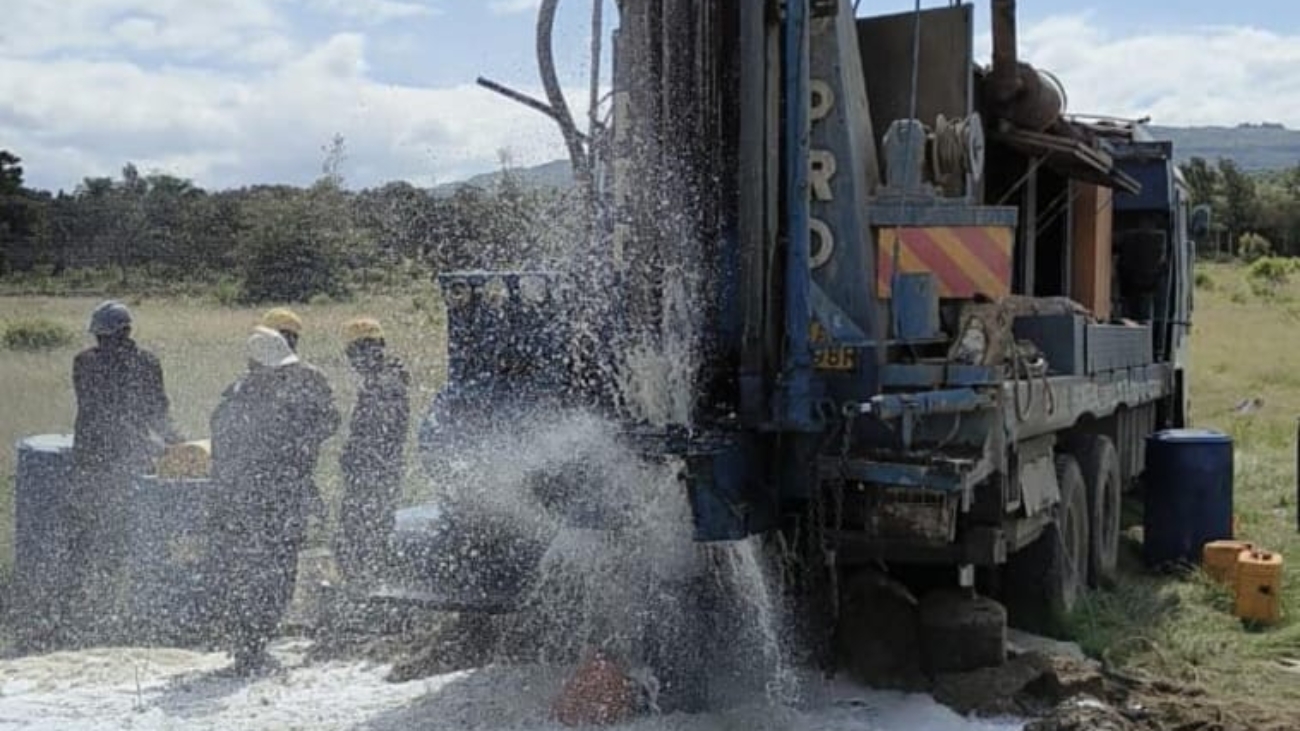
borehole drilling equipment

Understanding How to Choose the Best Borehole Drilling Company in Kenya

How to choose the best borehole drilling company in Kenya starts with understanding what separates professionals from cowboys. I’ve been in this industry for over 12 years, and I’ve seen countless homeowners lose millions to unqualified drillers. The borehole drilling market in Kenya has exploded, and with growth comes both genuine experts and opportunistic frauds.

Your borehole represents a major investment – typically KES 1-3 million for a complete system. This isn’t money you want to gamble with inexperienced operators. A properly drilled borehole lasts 30-50 years with good maintenance. A poorly drilled one fails within months, leaving you with a useless hole and no recourse.

What makes choosing difficult? Kenya has hundreds of drilling companies, and they all claim to be “the best.” Their websites look professional, their promises sound great, and their prices vary wildly. How do you tell which ones actually deliver quality work?

How to choose the best borehole drilling company in Kenya requires examining specific credentials that many homeowners overlook. Most people focus purely on price, which is exactly how they end up with problems. The cheapest quote usually comes from companies cutting corners somewhere – equipment quality, staff expertise, permit compliance, or materials.

The stakes are high. Choose wrong and you might get a dry borehole after spending KES 800,000. Or your borehole collapses within a year because of poor casing. Or worse, you face legal prosecution because the company drilled without proper permits, making you liable too.

I’ve consulted on dozens of failed borehole projects where owners had to start over completely. One client in Karen lost KES 2.1 million to a fraudulent company that disappeared mid-project. Another in Kitengela got a borehole that produced muddy water because the driller didn’t install proper gravel packing.

This guide gives you the exact criteria I use when evaluating borehole drilling companies in Kenya. These aren’t theoretical standards – they’re practical requirements based on real project outcomes.


borehole drilling services

Verify Licensing and Legal Compliance First

The most critical factor in how to choose the best borehole drilling company in Kenya is licensing verification. Every legitimate drilling company must hold a valid Water Resources Authority drilling license. No license means illegal operation, and working with them puts you at legal risk too.

WRA issues three license classes. Class A contractors can drill any depth and handle all project complexities. Class B handles medium-depth boreholes up to 200 meters. Class C is limited to shallow boreholes under 100 meters. Match the license class to your project needs – don’t hire a Class C contractor for a 250-meter deep borehole.

Check these documents before signing anything:

  • Current WRA drilling license (verify expiry date)
  • Company registration certificate from Registrar of Companies
  • Valid tax compliance certificate from KRA
  • Professional indemnity insurance (minimum KES 5 million coverage)
  • Public liability insurance
  • NEMA registration certificate

Don’t just accept copies – verify authenticity. Call WRA’s licensing department at their Nairobi office and confirm the company’s license is active. I’ve discovered fake licenses three times when doing this verification for clients. The companies had sophisticated forgeries that looked genuine until WRA confirmed they weren’t registered.

How to choose the best borehole drilling company in Kenya means understanding that licensed companies cost more for good reasons. They maintain proper equipment, hire qualified staff, follow safety protocols, and comply with regulations. These expenses get reflected in pricing, but they protect your investment.

Unlicensed operators quote KES 4,000-6,000 per meter versus licensed companies at KES 6,000-9,000. That KES 2,000-3,000 difference seems attractive on a 150-meter borehole (saving KES 300,000-450,000). But you’re risking everything. If discovered, WRA seals your borehole, fines you up to KES 2 million, and you still need to hire licensed contractors to do it properly.

Insurance matters more than most people realize. Drilling accidents happen – rigs can tip over, equipment can damage property, workers can get injured. Without proper insurance, you’re personally liable for damages. I know someone whose property sustained KES 800,000 in damage when an uninsured contractor’s rig collapsed onto their gate and wall.

Professional indemnity insurance covers you if the company’s negligence causes problems – like drilling in the wrong location despite survey recommendations, or using substandard materials that cause early failure. This coverage typically ranges KES 5-20 million depending on company size.

Verify registration with professional bodies too. Many reputable companies belong to Kenya Drilling Contractors Association or similar organizations. Membership doesn’t guarantee quality, but it shows they’re engaged with industry standards and peer oversight. Check if they follow no shortcuts in drilling of boreholes principles.


borehole casing

Evaluate Experience and Track Record

Experience separates competent companies from amateurs in how to choose the best borehole drilling company in Kenya. Borehole drilling looks straightforward until you encounter unexpected geology, water chemistry issues, or technical complications. Experienced companies handle problems; inexperienced ones create them.

Look for companies with minimum 5 years operational history. Newer companies aren’t necessarily bad, but they haven’t faced the full range of challenges that teach crucial lessons. I trust companies that’ve been through multiple projects across different geological regions.

Ask specific questions about their experience:

  • How many boreholes have they drilled in your specific area?
  • What’s their success rate (percentage of boreholes yielding adequate water)?
  • What geological formations have they worked with?
  • Have they handled projects similar in depth and purpose to yours?
  • What’s their deepest successful borehole?

Geographic experience matters enormously. Kenya’s geology varies dramatically – coastal regions differ from Rift Valley, which differs from Central Kenya. A company experienced in Nairobi’s clay-rich geology might struggle with Coastal saline conditions or Turkana’s rocky formations.

How to choose the best borehole drilling company in Kenya includes reviewing their project portfolio. Reputable companies provide references from recent projects. Call at least three references and ask:

  • Was the borehole completed on schedule?
  • Did costs match initial quotations?
  • What was the water yield compared to projections?
  • How was communication throughout the project?
  • Would they hire this company again?
  • Were there any significant problems, and how were they handled?

Visit completed projects if possible. See the wellhead construction quality, ask about ongoing performance, and check if the installation looks professional. Poor wellhead construction indicates rushed or substandard work.

Check complaint histories with WRA and consumer protection bodies. Companies with multiple unresolved complaints should raise red flags. One or two complaints over years of operation is normal – no company satisfies everyone. But patterns of similar complaints suggest systemic problems.

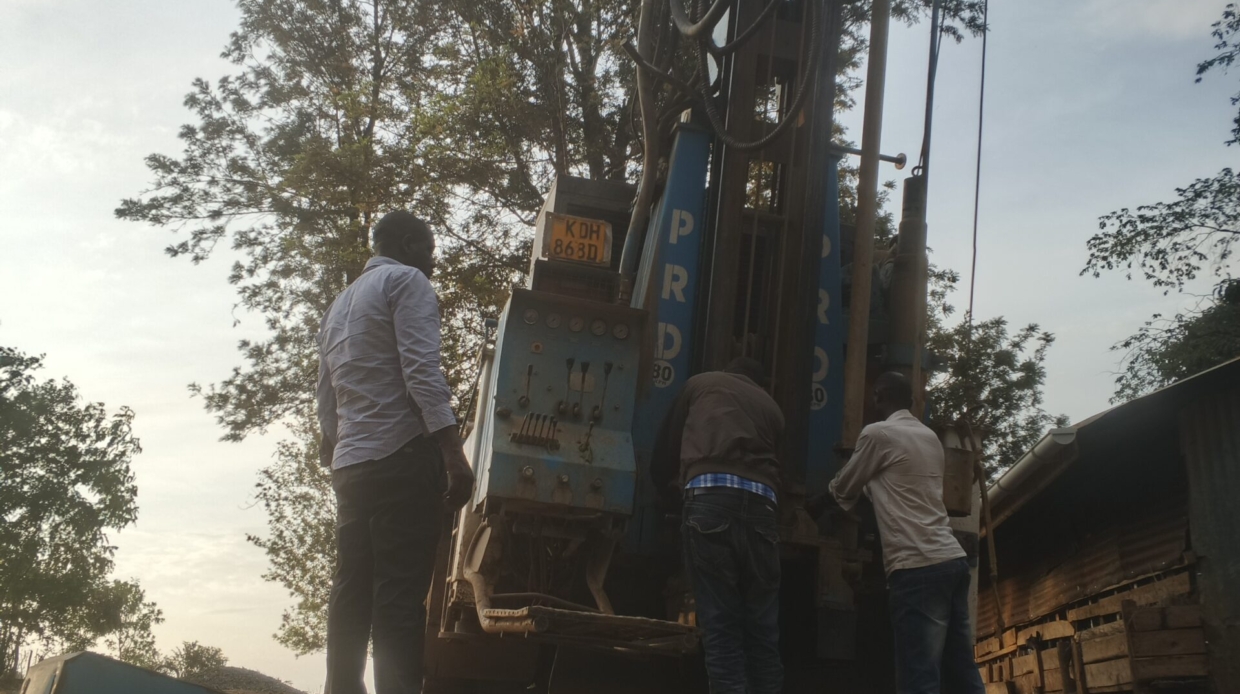
Review their equipment inventory. Professional companies own their drilling rigs rather than renting. Ownership means they maintain equipment properly and have backup rigs if primary equipment fails. Companies renting equipment often face delays and can’t guarantee availability.

Modern drilling equipment produces better results. Older rigs work but take longer and may not handle hard rock formations effectively. Ask what drilling method they use – rotary, percussion, or down-the-hole hammer. Match the method to your geological conditions based on survey recommendations.

Qualified staff matter as much as equipment. Check if they employ licensed hydrogeologists, certified drillers, and experienced pump technicians. Some companies subcontract specialists, which is fine if they’re reputable. But in-house expertise provides better coordination and accountability. Explore comprehensive borehole drilling services in Kenya for full-service providers.


Compare Detailed Quotations Properly

Price comparison is crucial in how to choose the best borehole drilling company in Kenya, but most people compare wrong. They look at bottom-line totals without examining what’s included. A KES 1.2 million quote might be worse value than a KES 1.5 million one if the cheaper option excludes essential services.

Request detailed written quotations from at least three companies. Quotations should break down every cost component:

  • Hydrogeological survey fees
  • Permit application fees (WRA, NEMA, County)
  • Mobilization and demobilization costs
  • Drilling charges (per meter rates)
  • Casing costs (specify material – PVC or steel)
  • Gravel packing materials
  • Well development and cleaning
  • Test pumping and water analysis
  • Pump supply and installation
  • Piping and storage tank (if included)
  • Electrical work for pump connection
  • Warranty terms and duration

Drilling charges vary by geology and region. Hard rock areas cost more because drilling progresses slower. Standard rates in 2025 range KES 6,000-9,000 per meter for licensed contractors. Rates below KES 5,500 per meter should trigger suspicion – they’re either using inferior materials, cutting corners, or operating illegally.

How to choose the best borehole drilling company in Kenya means understanding what quotes exclude. Many companies provide attractive base prices but charge extras for everything. You end up paying far more than the initial quote suggested. Watch for these hidden costs:

  • Standby time if drilling encounters unexpected problems
  • Additional casing if survey depth estimates were wrong
  • Water quality treatment if tests show contamination
  • Extended mobilization if site access is difficult
  • Permit processing fees charged as separate items

Itemized quotations let you compare apples to apples. If one company includes permits and another excludes them, adjust totals accordingly before comparison. The same applies to pumps, storage, and electrical work.

Payment terms reveal company legitimacy and confidence. Standard terms require 30% deposit upon contract signing, 40% when drilling reaches halfway depth, and 30% upon project completion after successful test pumping. Be suspicious of companies demanding 50-70% upfront or full payment before starting.

Never pay cash without receipts. Legitimate companies provide proper invoices, receipts, and maintain clear payment records. Cash-only companies are often avoiding taxes and might disappear without completing work.

Warranty coverage varies significantly. Quality companies provide:

  • 1-2 year warranty on drilling workmanship
  • Manufacturer warranties on pumps (typically 1-3 years)
  • Guarantee on water yield within 10-20% of test pumping results
  • Free service call if problems arise within warranty period

Read warranty terms carefully. Some exclude normal wear, others only cover manufacturing defects, and many require proof of regular maintenance. Understand exactly what’s covered and for how long.

Payment schedules should align with project milestones, not arbitrary dates. This protects you if work stops or quality issues emerge. Don’t make final payment until test pumping confirms adequate yield and water quality tests show acceptable results. Compare the cost of drilling a borehole in Kenya across multiple providers.


borehole drilling process

Assess Technical Expertise and Methodology

Technical competence is fundamental in how to choose the best borehole drilling company in Kenya. Companies might have licenses and experience but lack proper methodology that ensures successful outcomes. Evaluate their technical approach during initial consultations.

Professional companies always start with hydrogeological surveys before providing quotes. They won’t give firm prices until they understand your site’s geology, water table depth, and expected yield. Companies quoting without surveys are guessing, and their estimates are often wrong by 30-50%.

The survey process reveals technical competence. Ask what methods they use:

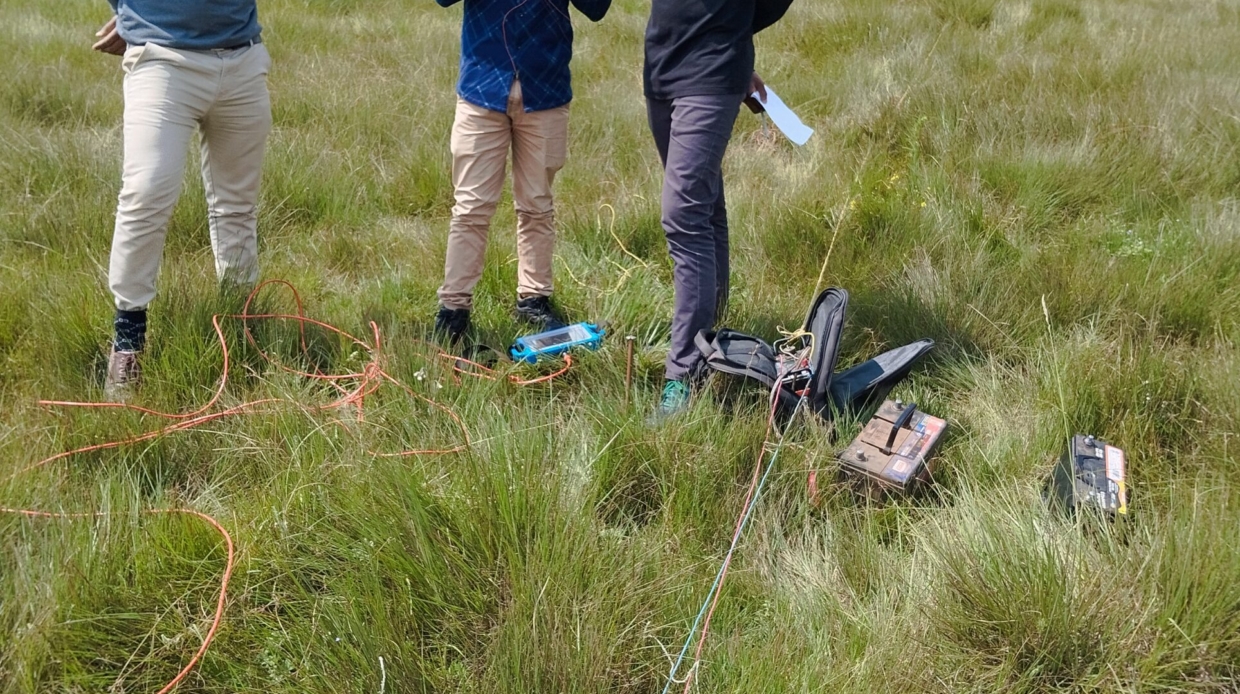
  • Electrical resistivity surveys (most common and reliable)
  • Seismic surveys (for difficult geology)
  • Magnetic surveys (less common, specific applications)
  • Historical data analysis from nearby boreholes
  • Geological mapping and site evaluation

Reputable companies employ or contract licensed hydrogeologists who interpret survey data accurately. The survey report should specify recommended drilling location, expected depth to water, estimated yield, and geological formations you’ll encounter. This report is also mandatory for WRA permit applications.

How to choose the best borehole drilling company in Kenya includes understanding their drilling methodology. Different geological conditions require different approaches. Companies should explain why they recommend specific methods for your site:

Rotary drilling: Best for soft to medium formations, faster but requires consistent water supply for drilling mud circulation.

Percussion drilling: Handles hard rock effectively, slower but more versatile in varied geology.

Down-the-hole hammer: Excellent for very hard rock formations, expensive but efficient in challenging conditions.

Casing selection shows technical understanding. The company should recommend appropriate casing materials based on your water chemistry and geological conditions. Borehole casing materials – steel or plastic each have specific applications. PVC works for most domestic boreholes with neutral water chemistry. Steel is necessary for saline or acidic water that corrodes PVC, or when geological pressures require stronger materials.

Gravel pack specifications matter too. Proper gravel packing prevents sand infiltration and improves water flow. The gravel size should match the aquifer’s grain size – companies that use the same gravel for every project don’t understand proper methodology.

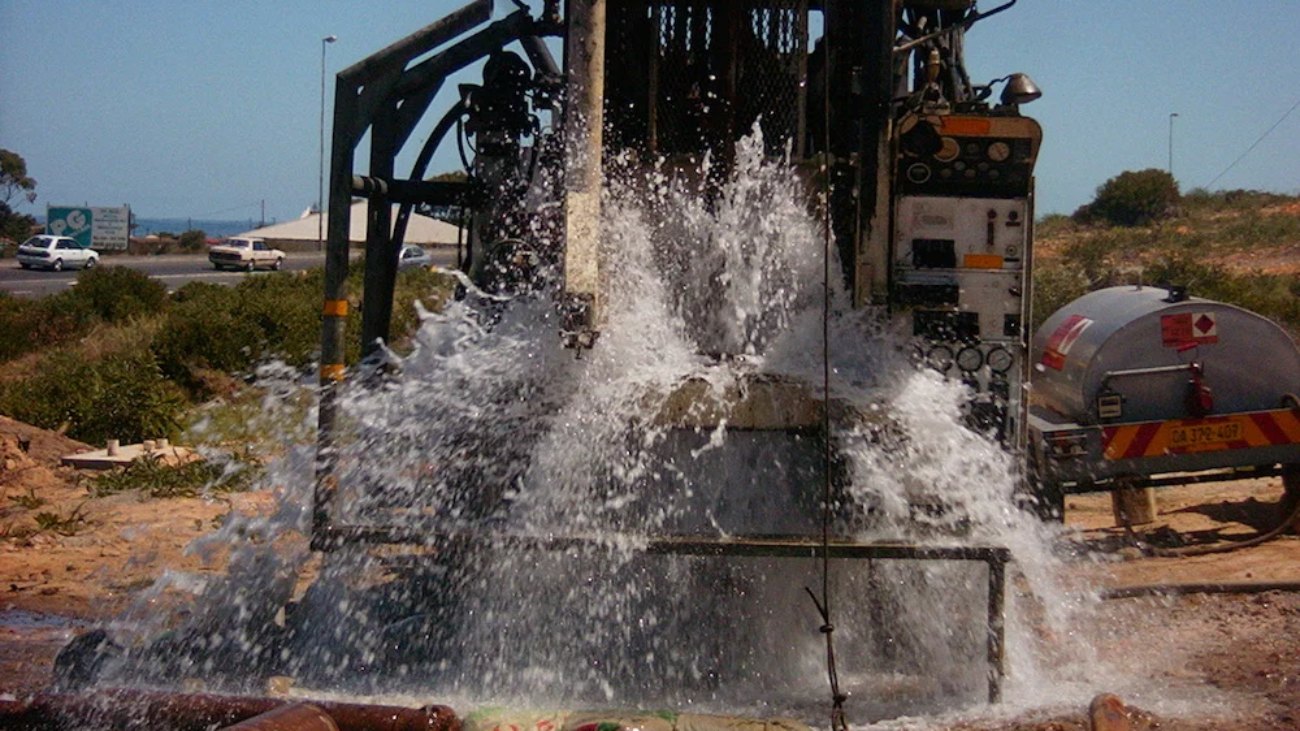
Well development procedures separate quality companies from mediocre ones. After drilling and casing installation, wells need development to remove fine particles and improve yield. This involves compressed air surging, mechanical surging, or pump surging over several hours. Companies that skip development deliver lower yields and shorter borehole lifespans.

Test pumping protocols should follow standard procedures – pumping at specified rates for 24-72 hours while monitoring water level recovery. This determines sustainable yield and helps size pumps correctly. Companies that test pump for just 2-3 hours don’t gather sufficient data.

Water quality testing should include comprehensive analysis for:

  • pH and TDS (Total Dissolved Solids)
  • Bacterial contamination (E.coli, coliforms)
  • Heavy metals (fluoride, iron, manganese, arsenic)
  • Nitrates and nitrites
  • Hardness (calcium and magnesium)

Companies should provide certified lab results from recognized facilities like Kenya Bureau of Standards or SGS. Home test kits aren’t sufficient for complete evaluation.

Ask about their problem-solving approaches. What happens if initial drilling doesn’t find adequate water? Do they drill deeper at no additional cost (up to a certain depth)? Do they relocate based on fresh survey data? Understanding contingency plans shows preparedness and confidence. Learn about what to look for when drilling a borehole from technical experts.


Review Contract Terms and Legal Protections

Contracts protect both parties in how to choose the best borehole drilling company in Kenya. Many homeowners sign vague agreements that leave them vulnerable when problems arise. Insist on comprehensive written contracts before work begins.

Essential contract elements include:

  • Detailed scope of work with specifications
  • Project timeline with milestone dates
  • Payment schedule tied to completion stages
  • Materials specifications (brands, grades, sizes)
  • Warranty terms and coverage details
  • Dispute resolution procedures
  • Termination clauses for both parties
  • Liability and insurance provisions

Scope of work must be specific. “Drill borehole” isn’t enough. The contract should specify drilling depth range, casing depth and diameter, gravel pack specifications, pump type and capacity, storage tank size, and all included services. Vague contracts let companies claim extras were never included.

Project timelines should be realistic. Most boreholes take 2-3 weeks to complete after permits are obtained. Adding permit processing time, total project duration runs 2-3 months from contract signing. Companies promising completion in 3-4 weeks total are unrealistic unless permits are pre-arranged.

How to choose the best borehole drilling company in Kenya means protecting yourself with penalty clauses for delays. If the company causes delays (not weather or permit issues), they should compensate you – typically by waiving certain charges or providing free services. Similarly, you should face penalties if you delay the schedule from your end.

Material specifications prevent substitution of inferior products. The contract should name specific brands and grades for pumps, pipes, casings, and electrical components. Generic descriptions let companies substitute cheap alternatives that fail prematurely.

Some companies try including liability waiver clauses that exempt them from any responsibility for problems. This is unacceptable. While they can limit liability to the contract value, they shouldn’t completely escape responsibility for negligence or substandard work.

Dispute resolution clauses determine how problems get resolved. The best contracts specify arbitration through independent third parties rather than expensive court litigation. Some contracts require mediation attempts before arbitration.

Termination clauses protect you if the company fails to perform. You should have the right to cancel the contract with limited penalties if work doesn’t progress according to schedule or quality standards aren’t met. Fair contracts also give companies termination rights if you breach payment terms or prevent site access.

Force majeure provisions address delays from circumstances beyond either party’s control – severe weather, government actions, natural disasters. These clauses should be reasonable and require notification procedures.

Intellectual property considerations matter if the company provides custom designs or engineering solutions. Typically, you should own all project documentation including survey reports, drilling logs, and as-built drawings. Some contracts improperly claim companies retain ownership.

Read everything before signing. Don’t let companies pressure you with “standard contract, everyone signs it.” If something’s unclear or seems unfair, negotiate changes or walk away. Reputable companies accommodate reasonable modification requests.

Have a lawyer review contracts for projects over KES 2 million or with complex terms. Legal review costs KES 15,000-30,000 but prevents expensive problems later. Consider this mandatory for commercial or agricultural boreholes with higher stakes than residential projects.

Understand everything you need to know about water borehole drilling before signing agreements. Review services offered by your chosen company.


Check Communication and Customer Service Standards

Communication quality often predicts project success in how to choose the best borehole drilling company in Kenya. Companies with poor communication create frustrating experiences regardless of technical competence. Evaluate responsiveness and transparency during initial interactions.

Professional companies respond promptly to inquiries. If they take 3-4 days to reply to your initial contact, they’ll likely be just as slow during the project. Good companies respond within 24 hours, often within a few hours for email or WhatsApp messages.

Site visit professionalism matters. When companies visit your property for assessment, they should arrive on time, dress professionally, and conduct thorough evaluations. They should ask detailed questions about your water needs, property characteristics, and budget constraints.

Watch how they explain technical concepts. Good companies translate complex geology and drilling processes into understandable language without condescending. They answer questions patiently and provide written documentation to support verbal explanations.

How to choose the best borehole drilling company in Kenya includes assessing transparency. Companies should openly discuss potential challenges, realistic timelines, and what could go wrong. Those who promise everything will be perfect are either inexperienced or dishonest. Problems can occur despite best efforts, and honest companies acknowledge this.

Project management systems reveal organizational competence. Professional companies assign specific project managers who serve as your single point of contact. They provide regular progress updates without you needing to chase them constantly. They notify you immediately if issues arise rather than hiding problems until they become crises.

Documentation practices separate organized companies from chaotic ones. From initial quotation through project completion, professional companies maintain detailed records. They provide:

  • Written quotations with breakdown
  • Signed contracts with all terms
  • Copies of all permits and approvals
  • Daily drilling logs showing progress and geological formations encountered
  • Test pumping data and water quality results
  • Warranty documents
  • Maintenance guidelines

Companies that operate casually without proper documentation create problems when disputes arise or equipment fails. You’ll have no proof of what was agreed or installed.

After-sales service commitment indicates long-term reliability. Ask about their maintenance service offerings and response times for emergency repairs. Companies that disappear after receiving final payment leave you stranded when problems occur.

Some companies provide maintenance contracts including regular servicing, emergency repairs, and parts at discounted rates. These contracts cost KES 30,000-60,000 annually but provide peace of mind and priority service. Even without contracts, companies should remain available for consultation and paid repairs.

Check their physical office presence. Companies with permanent offices, showrooms, or workshops are more established than those operating from mobile phones only. Visit their office if possible – it reveals professionalism level and permanence.

Online presence and reviews provide additional insights. Check Google reviews, Facebook pages, and website testimonials. While reviews should be considered skeptically (some are fake), patterns in feedback reveal consistent strengths or weaknesses.

Trust your instincts during interactions. If something feels wrong – pushy sales tactics, evasive answers, inconsistent information – those feelings probably reflect real issues. Good companies make you feel confident and informed, not pressured or confused. Learn about proper borehole drilling in Kenya from communicative professionals.


Understand Ongoing Support and Maintenance Offerings

Long-term success depends on maintenance, making it crucial in how to choose the best borehole drilling company in Kenya. Companies that abandon clients after installation create future problems. Evaluate their commitment to ongoing support during selection process.

Quality companies provide comprehensive handover training. They should spend time explaining:

  • How to operate the pump system correctly
  • Warning signs indicating problems
  • Basic troubleshooting steps
  • Maintenance schedules and requirements
  • Emergency shutdown procedures
  • Who to contact for different types of issues

This training should involve actual demonstration, not just verbal instructions. They should provide written maintenance guidelines specific to your installed equipment, not generic documents.

Warranty service responsiveness matters enormously. A 2-year warranty means nothing if the company never answers calls or takes weeks to address problems. Ask how warranty service works:

  • What’s the response time for service calls? (48 hours is reasonable)
  • Do they charge for service visits within warranty period?
  • What parts and labor are covered?
  • Are there service limitations (business hours only or 24/7)?

How to choose the best borehole drilling company in Kenya includes evaluating maintenance service availability. Boreholes need regular servicing every 6-12 months. Companies offering maintenance packages provide convenience and often better service than hiring random technicians unfamiliar with your system.

Maintenance packages typically include:

  • Pump inspection and servicing twice yearly
  • Electrical system checks
  • Casing and wellhead inspection
  • Water quality testing annually
  • Filter cleaning or replacement
  • Priority response for breakdowns
  • Discounted rates on repairs and parts

Annual packages cost KES 30,000-60,000 depending on system complexity. This is cheaper than paying for individual service calls and provides preventive care that prevents expensive failures.

Spare parts availability is crucial. Companies that stock common spare parts or have reliable supply chains minimize downtime when components fail. Ask what parts they keep in stock and typical delivery times for items they don’t stock.

Emergency response capabilities vary widely. Some companies provide 24/7 emergency service, others only work business hours. If your borehole supports critical operations (commercial, agriculture, health facilities), 24/7 support may be worth premium charges.

Technical support accessibility helps with minor issues. Can you call or WhatsApp with questions and get helpful responses? Or do you have to schedule paid service visits for every small concern? Accessible technical support saves money and stress.

Companies should provide referrals to trusted third-party service providers if they can’t service certain equipment brands or don’t offer specific maintenance services. Being helpful beyond their direct services shows genuine client care.

Long-term relationship potential matters for major investments. Will this company still exist in 5-10 years? Established companies with good reputations are safer bets than new startups that might disappear. While everyone deserves a chance, your primary borehole deserves an established provider.

Record keeping support helps you maintain system documentation. Some companies provide ongoing access to your project records through client portals or apps. Others mail annual reminders about maintenance schedules. These services demonstrate commitment to long-term system performance.

Consider companies like KNH Contractors that provide full-spectrum services from drilling through ongoing maintenance. This simplifies management and ensures consistent service quality. Check their contact information for consultation.


Frequently Asked Questions

How long does it take to drill a borehole in Kenya? The actual drilling takes 5-15 days depending on depth and geology. Hard rock takes longer than soft formations. However, total project duration including permits, surveys, and equipment installation runs 2-3 months. Companies promising faster timelines often skip essential steps.

What is a reasonable cost per meter for borehole drilling? Licensed companies charge KES 6,000-9,000 per meter in 2025. Rates vary by region and geology – hard rock areas cost more. Total project costs including permits, casing, and pump installation range KES 1-3 million. Quotes below KES 5,500 per meter should raise red flags.

Do I need permits before drilling starts? Yes, you absolutely need permits from Water Resources Authority, NEMA, and your County Government before drilling begins. Drilling without permits violates the Water Act 2016 and risks fines up to KES 2 million plus borehole sealing. Never let companies start work without showing you all valid permits.

How can I verify a company’s WRA drilling license? Contact WRA’s licensing department directly at their Nairobi office on Ngong Road. Provide the company name and registration number, and WRA will confirm if the license is current and valid. Don’t rely only on license copies – verify authenticity independently.

What happens if my borehole doesn’t find water? Reputable companies conduct hydrogeological surveys before drilling to minimize this risk. If no water is found despite proper surveys, some companies redrill at a new location for reduced rates or refund portions of your payment. Contract terms should specify what happens in this scenario.

Should I pay the full amount before drilling starts? Never pay full amounts upfront. Standard payment terms are 30% deposit, 40% at halfway depth, and 30% upon completion after successful test pumping. Companies demanding 50-70% upfront or full payment before starting present high fraud risk.

How do I know if a company’s quote is too good to be true? Quotes significantly below market rates (below KES 5,500/meter) usually indicate problems – unlicensed operators, inferior materials, hidden costs, or outright fraud. The cheapest quote is rarely the best value. Compare itemized quotes from 3+ licensed companies for realistic pricing.

What warranty should I expect on borehole work? Quality companies provide 1-2 year warranties on drilling workmanship and installation. Pumps have separate manufacturer warranties (1-3 years). Water yield should be guaranteed within 10-20% of test pumping results. Ensure warranty terms are explicitly stated in written contracts.

Can companies guarantee finding water at specific depths? No legitimate company can absolutely guarantee finding water at specific depths. Professional hydrogeological surveys provide educated estimates with high accuracy (70-85% success rate), but geology contains uncertainties. Companies making absolute guarantees without surveys are unreliable.

What red flags should make me avoid a drilling company? Major red flags include: no valid WRA license, demanding excessive upfront payments, refusing to provide references, quotes without site surveys, no written contracts, significantly below-market pricing, poor communication, missing insurance documents, and pressure tactics pushing immediate decisions.
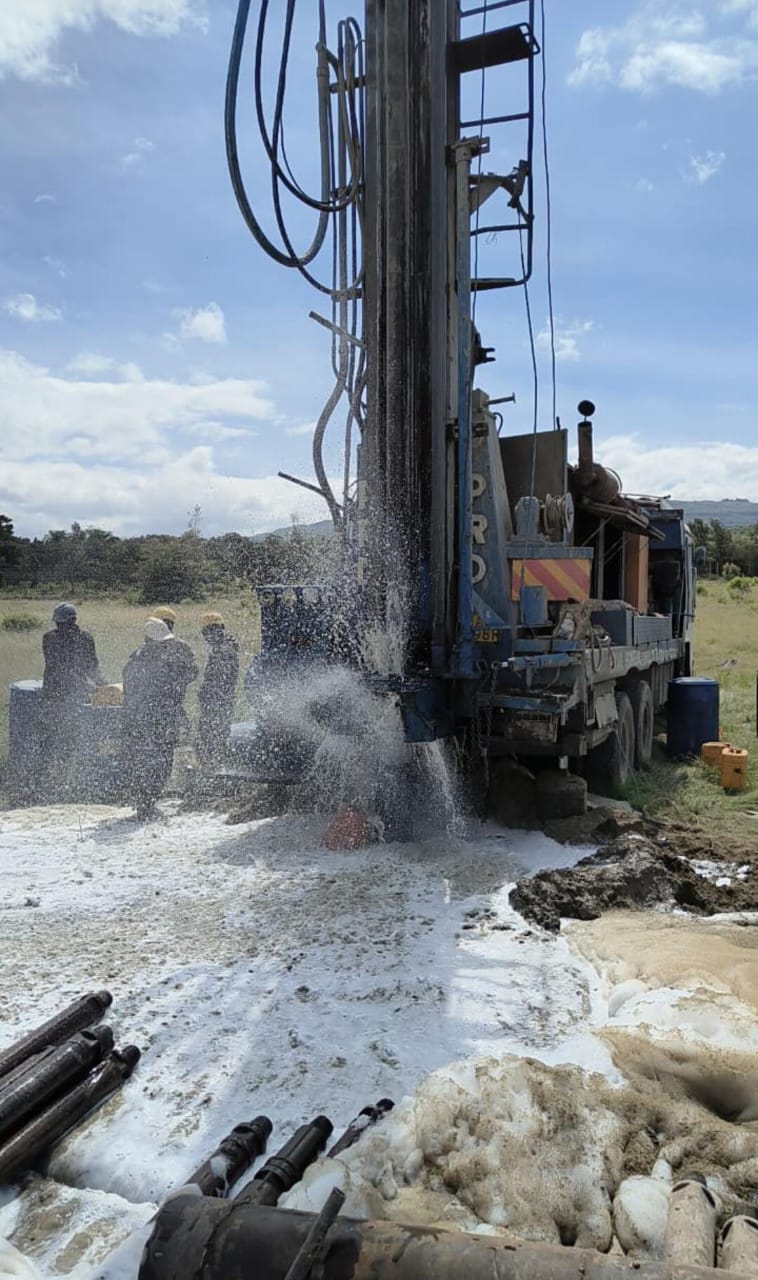
borehole licensing

Borehole Licensing Requirements in Kenya

Key Takeaways

Licensing AspectAuthorityCost (KES)Processing Time
Water Permit ApplicationWater Resources Authority (WRA)22,00030-60 days
Environmental Impact AssessmentNEMA10,00045-90 days
County Government ApprovalCounty Water Office2,000 – 10,00014-30 days
Drilling License (for contractors)WRA50,00060-90 days
Annual Water Abstraction FeeWRA3,000 – 25,000N/A
Borehole RegistrationWRA1,000 – 5,0007-14 days

Critical Facts:

  • All boreholes in Kenya require legal permits before drilling begins
  • Operating without permits attracts fines up to KES 2 million or 5 years imprisonment
  • Three main authorities govern borehole licensing: WRA, NEMA, and County Government
  • Permit applications require hydrogeological survey reports and site plans
  • Renewal of abstraction permits happens annually

borehole drilling site

Understanding Borehole Licensing Requirements in Kenya

Borehole licensing requirements in Kenya are mandatory for anyone planning to drill a water borehole. Many people don’t realize this until they’re already drilling, which creates serious legal problems. The Water Act 2016 made licensing compulsory – you can’t just dig a hole on your property anymore without government approval.

I’ve seen homeowners face prosecution because they drilled without permits. One client in Kiambu had their borehole sealed by WRA officials, losing over KES 1.8 million. The government takes water resource management seriously now. Kenya’s growing population puts pressure on underground aquifers, so authorities want to track every extraction point.

Borehole licensing requirements in Kenya involve three main regulatory bodies. Water Resources Authority controls water abstraction rights. National Environment Management Authority ensures environmental protection. County governments handle local planning approvals. Each body has different requirements, forms, and fees.

Why does this matter? Because groundwater belongs to the state, not individual property owners. You own the land surface, but the government controls what’s underneath. This surprises many people who assume property ownership includes everything below ground. It doesn’t work that way here.

The licensing process protects everyone. It prevents over-extraction that would dry up aquifers. It ensures boreholes meet safety standards. It tracks water quality across regions. These aren’t just bureaucratic hurdles – they serve real purposes that benefit the whole community.

Starting borehole drilling in Kenya without understanding borehole licensing requirements in Kenya is a costly mistake. Fines, demolition orders, and legal battles drain resources better spent on proper compliance from the start.


borehole casing installation

Water Resources Authority Permits and Procedures

WRA is the primary authority handling borehole licensing requirements in Kenya. They issue water abstraction permits which legally authorize you to extract groundwater. Without this permit, you’re breaking the law regardless of whether the borehole is on your land.

The WRA application process requires specific documents:

  • Completed water permit application form (available on WRA website)
  • Copy of national ID or passport
  • Land ownership documents (title deed or lease agreement)
  • Hydrogeological survey report from licensed geologist
  • Site plan showing borehole location
  • Environmental Impact Assessment (for large abstractions)
  • County government approval letter

Borehole licensing requirements in Kenya demand professional hydrogeological surveys before WRA approves anything. These surveys cost KES 50,000-80,000 but they’re non-negotiable. Licensed geologists use specialized equipment to locate underground aquifers, determine water availability, and recommend drilling depth. WRA won’t process applications without this report.

Application fees vary based on intended use. Domestic use (single household) is cheapest at around KES 5,000. Commercial or industrial applications cost KES 10,000-15,000. Agricultural irrigation permits can reach KES 20,000 depending on volumes.

Processing takes 30-60 days if your paperwork is complete. Incomplete applications get rejected, wasting weeks. I always tell clients to double-check everything before submission. One missing signature or document sends you back to square one.

Annual abstraction fees apply after approval. These fees depend on water volume extracted and usage type. Domestic users pay KES 3,000-8,000 yearly. Commercial operations pay KES 10,000-25,000 or more. These aren’t optional – failure to pay results in permit cancellation and potential prosecution.

WRA conducts inspections during drilling and after completion. Inspectors verify the borehole matches approved specifications. They check casing installation, sanitary seals, and measuring devices. If anything doesn’t comply, they can order corrections or shut down the borehole entirely. Working with reputable borehole drilling companies in Kenya helps avoid these problems.


NEMA Environmental Compliance for Boreholes

National Environment Management Authority oversees environmental aspects of borehole licensing requirements in Kenya. NEMA ensures drilling doesn’t harm ecosystems, pollute aquifers, or cause environmental damage. Their approval is legally required before WRA issues water permits.

Not all boreholes need full Environmental Impact Assessments. Small domestic boreholes (under 5,000 liters daily) usually require only Environmental Project Reports. These simplified reports cost KES 10,000-20,000 and take 2-3 weeks to prepare. Larger commercial or agricultural boreholes need complete EIAs costing KES 30,000-50,000 with 6-8 week timelines.

NEMA examines several factors during review:

  • Proximity to existing water sources (rivers, lakes, wetlands)
  • Potential contamination risks from nearby activities
  • Soil and geological conditions
  • Waste disposal plans for drilling fluids
  • Impact on neighboring properties
  • Restoration plans for drilling site

Borehole licensing requirements in Kenya include NEMA’s scrutiny of drilling locations. They reject applications too close to septic tanks, pit latrines, or waste disposal sites. The minimum safe distance is 30 meters from any contamination source. I’ve seen applications denied because someone’s borehole was 25 meters from their neighbor’s septic system.

NEMA charges licensing fees separate from WRA. Environmental audit fees range KES 5,000-15,000 depending on project size. These fees aren’t refundable even if they deny your application, so proper planning matters.

The environmental license remains valid for the borehole’s lifetime, but NEMA can conduct surprise inspections. They check for pollution, proper waste management, and compliance with approved plans. Violations attract fines from KES 50,000 to 2 million depending on severity.

One client in Nakuru got fined because his drilling contractor dumped mud directly into a nearby stream. NEMA classified this as water pollution. The fine was KES 150,000 plus mandatory cleanup costs. Proper contractors know disposal procedures – another reason to hire professionals who understand borehole licensing requirements in Kenya.


borehole drilling equipment

County Government Approvals and Planning Permits

County governments play a crucial role in borehole licensing requirements in Kenya. After devolution in 2013, counties gained authority over local water resources and land use. You need county approval before WRA or NEMA will process your applications.

Each county has a Water Department handling borehole approvals. The process varies by county – Nairobi’s procedures differ from Mombasa’s or Kisumu’s. Generally, you submit applications to the County Water Officer with these documents:

  • Land ownership proof
  • Site plan showing borehole location
  • Letter from area chief confirming no objections
  • Payment of county fees

County fees are usually modest – KES 2,000-10,000. Some counties charge per meter drilled while others use flat rates. Nairobi charges around KES 5,000 for domestic boreholes. Rural counties often charge less.

Processing times average 14-30 days. Counties verify land ownership, check zoning regulations, and ensure no conflicts with existing water infrastructure. They also confirm the area has no plans for piped water expansion that would make your borehole redundant.

Borehole licensing requirements in Kenya at county level include consultations with neighbors. Some counties require written consent from adjacent property owners, especially in densely populated areas. This prevents disputes where your borehole might affect someone else’s water access.

Urban counties scrutinize applications more carefully than rural ones. Nairobi and Mombasa have strict rules because aquifer over-exploitation is a real concern. They may deny permits in areas where groundwater levels are critically low. Understanding what to look for when drilling a borehole includes checking county water policies first.

County governments also enforce building codes for borehole structures. Wellheads must meet safety standards. Pump houses need proper electrical installations. Storage tanks require specific foundations. Non-compliance results in demolition orders or modification requirements.

Some counties provide technical support to applicants. They help with form completion, explain requirements, and coordinate with other agencies. Others are less helpful, leaving applicants to figure things out alone. Hiring experienced contractors familiar with local county procedures saves enormous frustration.


Drilling Contractor License Requirements

Borehole licensing requirements in Kenya extend to drilling contractors themselves. Not just anyone can legally drill boreholes – contractors must hold valid licenses from WRA. Hiring unlicensed drillers puts you at legal risk and guarantees permit problems.

Licensed drilling contractors must meet these criteria:

  • Company registration with Registrar of Companies
  • Valid business permits
  • Tax compliance certificates
  • Professional indemnity insurance
  • Qualified personnel (geologists, drillers, engineers)
  • Proper drilling equipment
  • Safety compliance records

WRA issues three classes of drilling licenses based on capability and experience. Class A contractors can drill any depth and handle complex projects. Class B contractors are limited to medium depth boreholes. Class C covers shallow boreholes only. Licensing fees range KES 50,000-200,000 depending on class.

Contractors renew licenses annually after demonstrating continued compliance. They must submit drilling records, maintain equipment standards, and show no regulatory violations. WRA revokes licenses for serious infractions like drilling without client permits or causing environmental damage.

Why does this matter to you? Because borehole licensing requirements in Kenya make property owners liable for contractor violations. If your unlicensed driller breaks environmental laws, you face fines too. I’ve seen homeowners prosecuted alongside contractors who drilled without proper authorization.

Verify contractor licensing before signing any contracts. Ask for:

  • Current WRA drilling license copy
  • Company registration certificate
  • Tax compliance certificate
  • Insurance coverage documentation
  • References from recent projects

Reputable companies like KNH Contractors maintain all required licenses and documentation. They understand borehole licensing requirements in Kenya thoroughly and handle permit applications as part of their service. This eliminates legal risks and ensures smooth project completion.

Unlicensed drillers offer cheaper rates but create expensive problems. Your borehole might not meet specifications. Permits get rejected. Quality suffers because they cut corners. You end up paying twice – once for the failed job, again for proper contractors to fix everything.


borehole maintenance

Application Process Timeline and Costs Breakdown

Understanding borehole licensing requirements in Kenya means knowing realistic timelines and budgets for permits. Many people underestimate both, causing project delays and cost overruns. Let me break down what you should expect.

Complete Licensing Timeline:

  1. Hydrogeological survey: 5-10 days (KES 50,000-80,000)
  2. County approval: 14-30 days (KES 2,000-10,000)
  3. NEMA environmental review: 30-60 days (KES 10,000-50,000)
  4. WRA water permit: 30-60 days (KES 5,000-15,000)
  5. Total timeline: 3-5 months from start to drilling

These timelines assume perfect paperwork with no rejections or delays. Real-world experience shows most projects take 4-6 months. Applications get returned for corrections, documents go missing, offices close unexpectedly. Factor in extra time for Murphy’s Law.

Total Licensing Costs:

  • Professional fees (surveys, reports): KES 60,000-100,000
  • Government fees (WRA, NEMA, County): KES 17,000-75,000
  • Processing and miscellaneous: KES 10,000-25,000
  • Grand total: KES 87,000-200,000

This is before drilling begins. Add drilling costs of KES 6,000-9,000 per meter, casing, pumps, and installation – you’re looking at KES 1-3 million total investment. Understanding the cost of drilling a borehole in Kenya helps budget realistically.

Borehole licensing requirements in Kenya also include ongoing costs. Annual abstraction fees (KES 3,000-25,000) continue for the borehole’s lifetime. Factor these into long-term budgets.

Rushed applications cost more. Some companies offer “expedited processing” for premium fees, but results vary. Government offices don’t officially recognize rushed applications, though unofficial channels exist. I don’t recommend those routes – they create legal vulnerabilities.

Document preparation is where many people fail. Hire professionals to compile applications correctly the first time. A KES 15,000 professional fee saves months of rejected applications. Consultants familiar with borehole licensing requirements in Kenya know exactly what each agency wants.

Some contractors include permit processing in their packages. This simplifies things enormously – you pay one entity who handles everything. Packages typically add KES 100,000-150,000 to project costs but eliminate the hassle of dealing with multiple government offices yourself.


Common Licensing Mistakes and How to Avoid Them

After years in this industry, I’ve seen every possible mistake regarding borehole licensing requirements in Kenya. These errors cost time, money, and sometimes result in complete project failure. Learn from others’ expensive lessons.

Mistake #1: Starting drilling before permits arrive This is the most common violation. Contractors promise permits are “just formalities” and start drilling immediately. Then WRA shows up, orders work stopped, and issues fines. The partially drilled borehole becomes useless. You’ve paid for mobilization, drilling, and now face penalties plus starting over with proper permits.

I know someone in Rongai who lost KES 600,000 this way. The contractor assured them permits would “catch up” but WRA sealed the borehole and fined both owner and contractor. Don’t drill without permits in hand – no exceptions.

Mistake #2: Incomplete hydrogeological surveys Some people hire cheap “surveyors” who lack proper credentials. These reports get rejected by WRA, wasting money and time. Only use licensed hydrogeologists whose reports WRA recognizes. Check credentials before paying anything.

Mistake #3: Wrong location for borehole Owners decide where they want their borehole based on convenience, not geology or regulations. Then surveys show no water there, or NEMA rejects it because it’s too close to contamination sources. The hydrogeological survey determines location – not your preference for proximity to the house.

Mistake #4: Ignoring county-specific requirements Each county has unique rules. What works in Nairobi doesn’t necessarily work in Mombasa. Research your specific county’s requirements or hire local contractors who already know them. Generic approaches to borehole licensing requirements in Kenya fail because of local variations.

Mistake #5: Underestimating timelines People assume permits take 2-3 weeks. Then they’re frustrated when months pass. Government offices move slowly. Applications sit in queues. Officers go on leave. Plan for 4-6 months minimum and you won’t be disappointed.

Mistake #6: Hiring unlicensed contractors This creates multiple problems simultaneously. Unlicensed contractors can’t obtain permits legally. They do substandard work. They disappear when problems arise. They expose you to prosecution. Always verify WRA drilling licenses before signing contracts.

Mistake #7: Not budgeting for ongoing fees Many people calculate only initial costs, forgetting annual abstraction fees. These accumulate over years. Failure to pay results in permit cancellation, making your borehole illegal. Include recurring costs in financial planning.

Avoiding these mistakes requires working with experienced professionals who understand comprehensive borehole drilling services in Kenya. They guide you through every step, handle documentation, and ensure compliance with all borehole licensing requirements in Kenya.


Penalties for Non-Compliance and Enforcement Actions

Borehole licensing requirements in Kenya aren’t suggestions – they’re laws with serious penalties for violations. The Water Act 2016 gives authorities strong enforcement powers. Understanding consequences helps motivate proper compliance.

Legal penalties include:

  • Fines up to KES 2 million
  • Imprisonment up to 5 years
  • Borehole sealing or destruction
  • Equipment confiscation
  • Court costs and legal fees
  • Loss of water access rights

WRA conducts regular inspections across Kenya. They have field officers in every county checking for illegal boreholes. Anonymous reports from neighbors also trigger investigations. If caught operating without permits, you face immediate shut-down orders.

Sealed boreholes can’t be reopened until you obtain proper licenses. This process takes months while you’re without water. Meanwhile, penalties accumulate. One farm in Machakos operated illegally for 3 years before getting caught. Total penalties exceeded KES 3.5 million – more than drilling the borehole legally would have cost.

Environmental violations carry even harsher penalties. NEMA can fine up to KES 2 million for contamination incidents. If your illegal borehole pollutes someone else’s water source, you face civil lawsuits too. Contamination damages can reach tens of millions depending on affected area and people.

County governments enforce their own penalties for bypassing local approvals. These range from KES 50,000-500,000. They can also issue demolition orders for structures built without proper permits.

Criminal prosecution is rare but possible for serious violations. Cases involving commercial water theft or environmental disasters have resulted in jail terms. The law allows up to 5 years imprisonment, though most cases settle with fines.

Borehole licensing requirements in Kenya also affect property transactions. Banks conducting due diligence for mortgages check borehole permits. Unpermitted boreholes reduce property value or block mortgage approvals entirely. Buyers discovering illegal boreholes can demand price reductions or walk away from sales.

Insurance companies won’t cover damages from illegal boreholes. If your unpermitted borehole causes property damage, flooding, or other problems, you’re personally liable for all costs.

The risk-reward calculation is simple. Proper licensing costs KES 87,000-200,000. Penalties start at KES 50,000 and go up to millions plus potential imprisonment. Legal compliance is cheaper and eliminates risks entirely. Working with providers who understand steps in borehole drilling ensures everything is done correctly from the start.


Frequently Asked Questions

How long does it take to get all borehole permits in Kenya? The complete licensing process takes 3-6 months depending on county efficiency and application completeness. Hydrogeological surveys need 5-10 days, county approvals take 14-30 days, NEMA reviews require 30-60 days, and WRA permits take 30-60 days. Factor in extra time for corrections and delays.

Can I drill a borehole on my land without permits? No, you cannot legally drill without permits regardless of land ownership. Groundwater is a national resource controlled by the state. Operating without proper licenses violates the Water Act 2016 and risks fines up to KES 2 million or 5 years imprisonment.

What happens if I drill without a license? WRA can seal your borehole, confiscate equipment, and issue fines ranging from KES 50,000 to 2 million. You’ll still need to obtain proper permits before reopening. Criminal prosecution is possible for serious violations, with penalties including imprisonment up to 5 years.

Do I need separate permits from WRA, NEMA, and County Government? Yes, borehole licensing requirements in Kenya require approvals from all three authorities. County government provides planning approval, NEMA handles environmental clearance, and WRA issues water abstraction permits. Each has distinct requirements and fees.

How much do borehole permits cost in total? Complete licensing costs KES 87,000-200,000 including hydrogeological surveys (KES 50,000-80,000), government fees to WRA, NEMA, and County (KES 17,000-75,000), and miscellaneous processing costs (KES 10,000-25,000). Annual abstraction fees add KES 3,000-25,000 yearly.

Can I transfer borehole permits when selling property? Yes, borehole permits transfer with property ownership. Notify WRA of ownership change and update registration details. The new owner continues paying annual abstraction fees. Ensure permits are current before property sales – buyers often check permit status during due diligence.

Do all counties have the same borehole licensing requirements? No, counties have varying specific requirements though the general framework is consistent. Fees, processing times, and documentation requirements differ by county. Urban counties like Nairobi have stricter rules than rural counties due to aquifer stress concerns.

What is a hydrogeological survey and why is it mandatory? A hydrogeological survey uses scientific methods to locate underground water, determine quantity and quality, and recommend drilling specifications. Licensed geologists conduct these surveys using specialized equipment. WRA requires survey reports before approving permits because they ensure drilling success and sustainable water extraction.

How often must I renew borehole permits? Water abstraction permits require annual renewal with fees of KES 3,000-25,000 depending on usage. Environmental licenses and county approvals typically remain valid for the borehole’s lifetime unless circumstances change. Maintain records of all renewals to prove continued compliance.

Can I use my borehole for commercial purposes with a domestic permit? No, permit type must match actual use. Domestic permits authorize household consumption only. Commercial use requires commercial permits with higher fees. Using boreholes beyond permitted purposes violates licensing terms and risks penalties. Apply for appropriate permits matching intended use from the start.

borehole maintenance

Borehole Maintenance Tips Every Homeowner Should Know

Key Takeaways

Maintenance AreaFrequencyEstimated Cost (KES)
Pump inspection & servicingEvery 6 months15,000 – 30,000
Water quality testingAnnually8,000 – 15,000
Casing inspectionAnnually5,000 – 10,000
Well development/cleaningEvery 2-3 years40,000 – 80,000
Electrical system checkEvery 6 months5,000 – 12,000
Filter cleaning/replacementEvery 3-6 months3,000 – 8,000

Quick Facts:

  • Proper borehole maintenance extends system life by 15-20 years
  • Regular servicing prevents 80% of common pump failures
  • Annual water testing ensures family health and safety
  • Preventive maintenance costs 60% less than emergency repairs

borehole drilling equipment

Understanding Borehole Maintenance Tips Every Homeowner Should Know

Borehole maintenance tips every homeowner should know start with understanding that your borehole is a long-term investment requiring regular attention. I’ve worked with hundreds of homeowners across Kenya, and the ones who maintain their boreholes properly save thousands of shillings in repairs. The system you installed for 1-3 million shillings won’t last without care.

Your borehole has several components – the pump, casing, electrical connections, and storage tanks. Each part needs specific attention. Many homeowners think once borehole drilling in Kenya is complete, they can forget about it. That’s wrong. I’ve seen perfectly good boreholes fail within 3 years because owners ignored basic maintenance.

The geology matters too. If you’re in Nairobi’s clay-rich areas or Coastal regions with saline water, your maintenance schedule will differ from someone in Nakuru. Water chemistry affects everything from pump lifespan to pipe corrosion. This is why understanding borehole maintenance tips every homeowner should know isn’t optional – it’s essential for protecting your investment.

Think about your car. You service it regularly, right? Your borehole needs the same commitment. The difference is that car problems are obvious – strange noises, leaks, performance issues. Borehole problems are silent until they become expensive emergencies.


Critical Pump Maintenance for Homeowners

Your submersible pump is the heart of your borehole system. Borehole maintenance tips every homeowner should know must include pump care because pump replacement can cost KES 100,000 to 500,000. I once visited a home in Kiambu where the pump had seized completely – they’d never serviced it in 5 years.

Check these pump indicators monthly:

  • Water pressure at taps (should be consistent)
  • Unusual vibrations or noises
  • Frequent on/off cycling
  • Reduced water flow
  • Electrical consumption (sudden increases signal problems)

Every six months, hire a licensed technician to inspect the pump. They’ll check bearing wear, impeller condition, and seal integrity. Don’t try DIY pump repairs unless you’re trained. I’ve seen homeowners damage expensive pumps trying to fix minor issues themselves.

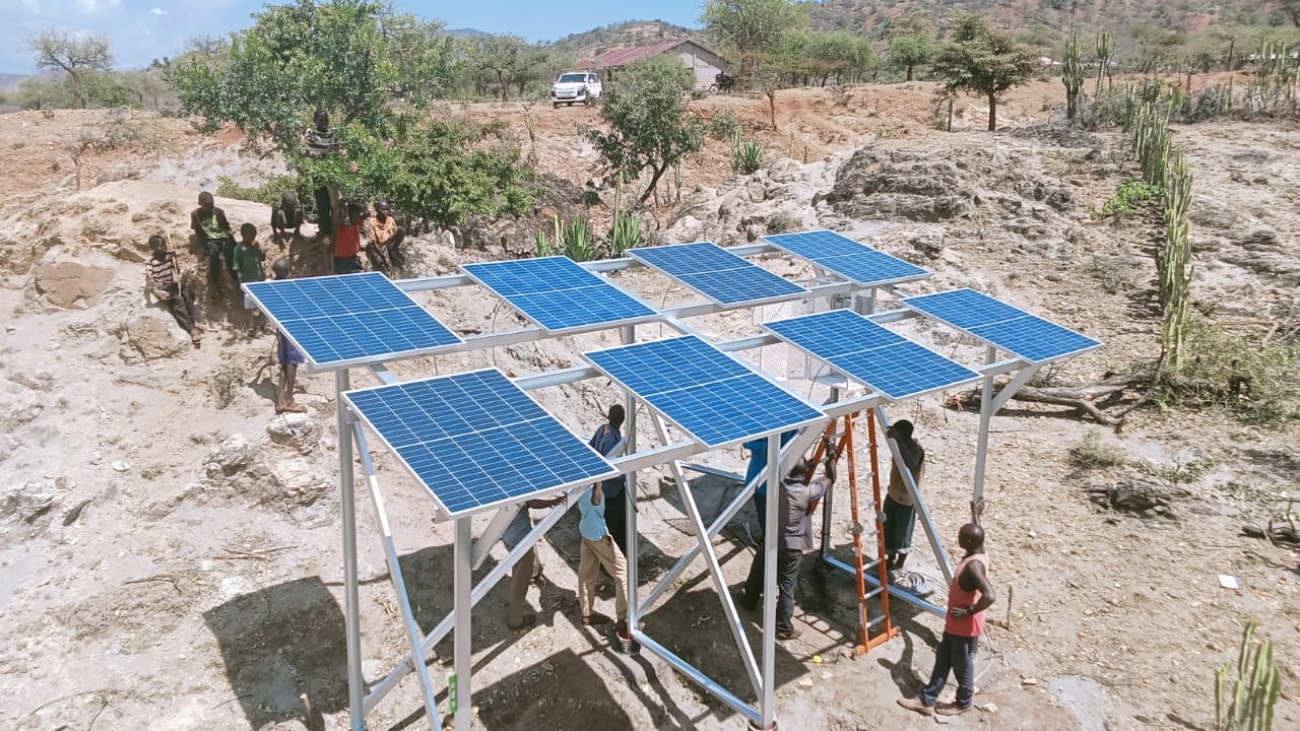
Solar pumps need different care than electric ones. Solar panel cleaning is crucial – dust and bird droppings reduce efficiency by up to 30%. The panels should be wiped down monthly, especially during dry season. Battery banks (if you have them) need terminal cleaning and voltage checks every three months.

Electric pumps require electrical safety checks. Loose connections cause voltage drops that burn out motors. One homeowner I worked with in Machakos lost three pumps in two years before discovering faulty wiring was the culprit. Check your comprehensive borehole drilling services provider for maintenance contracts.

Pump lifespan depends on usage. A home using 2,000 liters daily will stress the pump less than one using 8,000 liters for irrigation. If you’re running your pump more than 8 hours daily, consider upgrading to a higher capacity model. Overworked pumps fail prematurely.


borehole drilling site

Water Quality Testing and Treatment

Borehole maintenance tips every homeowner should know must prioritize water safety. Underground water quality changes over time. What was safe in 2023 might be contaminated in 2025. I’ve tested boreholes showing increased fluoride, iron, or bacterial contamination years after installation.

Test your water annually for:

  • pH levels (should be 6.5-8.5)
  • Total dissolved solids (TDS)
  • Bacterial contamination (E.coli, coliforms)
  • Heavy metals (lead, arsenic, fluoride)
  • Nitrates and nitrites
  • Iron and manganese

Government labs charge KES 8,000-15,000 for comprehensive testing. Private labs like Kenya Bureau of Standards (KEBS) or SGS provide certified results. Don’t skip this – contaminated water causes long-term health problems, especially for children.

If tests show contamination, install appropriate filtration. Iron filters cost KES 30,000-80,000, UV sterilizers run KES 25,000-60,000, and reverse osmosis systems start at KES 40,000. These sound expensive, but they’re cheaper than treating waterborne diseases or replacing corroded plumbing.

Hard water (high calcium/magnesium) damages appliances and creates scale buildup in pipes. Water softeners solve this but need monthly salt refills and annual resin bed cleaning. I’ve seen washing machines and water heaters destroyed by hard water in just 2-3 years.

Chlorine shocking is sometimes necessary if bacterial contamination appears. This involves adding specific chlorine amounts, letting it sit, then flushing thoroughly. Never do this without professional guidance – improper chlorination is dangerous. Your borehole drilling company in Kenya can provide this service.


Casing Inspection and Protection

PVC or steel casing protects your borehole from collapse and contamination. Borehole maintenance tips every homeowner should know include annual casing checks because damage here compromises everything. The cost of borehole casing repairs ranges from KES 50,000 to 200,000 depending on depth and damage severity.

Inspect the visible wellhead area quarterly:

  • Check for cracks in concrete seal
  • Look for settling or ground movement
  • Ensure sanitary seal is intact
  • Verify casing cap is secure
  • Check for standing water around wellhead

The sanitary seal prevents surface contamination from entering your borehole. In rainy season, water should drain away from the wellhead, not pool around it. I’ve seen boreholes in Karen contaminated because rainwater carrying pesticides from gardens seeped through damaged sanitary seals.

Steel casing corrodes over time, especially in saline or acidic water. Internal corrosion is invisible until failure occurs. If your water suddenly becomes rusty or develops metallic taste, suspect casing corrosion. Camera inspections (KES 25,000-40,000) reveal internal casing condition without drilling.

PVC casing is more resistant to corrosion but can crack under ground pressure or during seismic activity. Kenya experiences minor tremors regularly – these can shift ground and stress casings. If you’re in seismically active areas like Baringo or parts of Rift Valley, annual inspections are critical.

Tree roots are surprising threats to shallow casings. Roots seeking water can penetrate damaged casing joints, causing blockages and contamination. Keep large trees at least 10 meters from your wellhead. One client in Runda had to abandon their borehole because jacaranda roots infiltrated the casing beyond repair.

Protection extends to security too. Lock your wellhead to prevent tampering or contamination. I’ve heard cases where boreholes were deliberately poisoned or damaged by disgruntled workers or neighbours.


Storage Tank and Distribution System Care

Your storage tanks and piping system need regular attention. Borehole maintenance tips every homeowner should know include tank maintenance because dirty tanks contaminate clean borehole water. I’ve tested perfectly clean borehole water that became unsafe after sitting in unmaintained tanks.

Clean water tanks every 6 months:

  1. Shut off water supply
  2. Drain tank completely
  3. Scrub walls with brush and mild chlorine solution
  4. Rinse thoroughly multiple times
  5. Check for cracks or leaks
  6. Disinfect before refilling

Tank covers must be secure and sealed. Mosquitoes breed in open tanks, spreading malaria and dengue fever. Rodents can fall in and contaminate water. Bird droppings around tank openings introduce bacteria. Proper tank covers cost KES 2,000-8,000 – cheap insurance against contamination.

Check tank floats and valves monthly. Faulty floats cause overflow waste or tank emptying, which overworks your pump. Valve replacement costs KES 1,500-5,000 and takes 30 minutes. Ignoring this wastes water and electricity while stressing your pump unnecessarily.

Pipe leaks are money drains. A small leak wastes 20-30 liters daily – that’s 10,950 liters yearly. Underground leaks are hardest to spot. Watch your water meter after shutting all taps – if it’s moving, you have leaks. Professional leak detection costs KES 8,000-15,000 but pays for itself quickly.

Pressure tanks (if you have them) need annual pressure checks. Incorrect pressure damages pipes and appliances. The bladder inside eventually fails and needs replacement (KES 15,000-40,000). Check pressure gauges monthly – they should show consistent readings.

Pipe insulation prevents freezing in high-altitude areas like Limuru or Nanyuki. Frozen pipes burst, causing expensive damage. Even in warmer areas, insulation reduces temperature fluctuations that stress pipe joints.


borehole casing material

Well Development and Rehabilitation

Over time, boreholes lose yield as fine particles clog the water-bearing formation. Borehole maintenance tips every homeowner should know must include well development every 2-3 years. This process costs KES 40,000-80,000 but restores water flow and extends borehole life by decades.

Signs your borehole needs development:

  • Declining water yield
  • Increased pumping hours for same water volume
  • Pump running dry more frequently
  • Sandy or silty water appearance
  • Reduced water pressure at taps

Well development uses compressed air or mechanical surging to break up sediment blocking water entry. The process takes 1-2 days and temporarily makes water very muddy. After development, water usually runs clear within hours and yield improves significantly.

Some boreholes need acid treatment to remove mineral deposits blocking water flow. Calcium carbonate, iron oxide, and manganese deposits accumulate in the gravel pack and formation. Acid treatment dissolves these deposits. This is specialized work – only hire licensed professionals. Improper acid use damages casings and pumps.

In extreme cases, boreholes need deepening or new screen installation. If your water table has dropped significantly (common in over-exploited aquifers), deepening adds 20-50 meters to access water again. This costs KES 120,000-450,000 depending on depth and geology.

I worked on a borehole in Kitengela that had lost 70% of its yield over 8 years. After proper development and adding a screen section, yield returned to 95% of original. The owner had considered drilling a new borehole (KES 1.5 million) but spent only KES 180,000 on rehabilitation instead.

Prevention is better than cure. Don’t over-pump your borehole. If you’re extracting water faster than the aquifer recharges, you’ll eventually pump yourself dry. Watch for these warning signs and reduce usage immediately. Consider getting the best borehole drilling services for professional assessment.


Electrical System and Control Panel Maintenance

Electrical failures cause most borehole emergencies. Borehole maintenance tips every homeowner should know must cover electrical safety because electrical problems can destroy pumps, start fires, and cause electrocution. I’ve seen burned control panels from neglected connections spark house fires.

Inspect your electrical system quarterly:

  • Tighten all terminal connections
  • Check for burned or discolored wires
  • Test contactor operation
  • Verify overload protection settings
  • Clean control panel (dust causes shorts)
  • Check ground/earth connections

Contactors wear out from frequent on/off cycling. They typically last 3-5 years with normal use. Replacement costs KES 3,000-8,000. A failing contactor causes chattering sounds and erratic pump operation. Replace them before they fail completely and damage other components.

Overload relays protect your pump from burnout. They must be set correctly for your pump’s amperage. Many installations have incorrect settings because technicians don’t check manufacturer specifications. Too high, and the relay won’t protect your pump. Too low, and nuisance tripping frustrates you.

Lightning protection saves expensive equipment. Kenya experiences heavy lightning, especially in Central and Western regions. Lightning arrestors cost KES 8,000-20,000 but protect investments worth hundreds of thousands. They should be inspected annually and replaced if they’ve taken a strike.

Capacitors in single-phase pumps degrade over time. Failed capacitors prevent pump starting or cause weak performance. Testing capacitance requires special equipment – don’t guess. Capacitor replacement costs KES 2,000-6,000.

Wire sizing matters more than most homeowners realize. Undersized cables cause voltage drops that overheat pump motors. If your borehole is more than 50 meters from the power source, cable sizing becomes critical. One client in Ngong had chronic pump problems until we discovered the installer had used inadequate cable for a 120-meter run.

Keep your control panel key secure. Children playing with controls can damage equipment or get hurt. Panel doors should be locked with only adults having access.


Record Keeping and Professional Partnerships

Professional documentation is among the most overlooked borehole maintenance tips every homeowner should know. Keep detailed records of everything – installation specs, maintenance dates, pump model numbers, spare parts used, water test results, and costs. These records are invaluable for diagnosing problems and planning maintenance.

Create a borehole maintenance file containing:

  • Original drilling report and geological logs
  • Pump specifications and installation date
  • All service receipts and reports
  • Water quality test results (dated)
  • Photos of equipment and installations
  • Warranty documents
  • Contact details for service providers

This file helps new technicians understand your system quickly. It prevents repeated mistakes and unnecessary work. When selling your property, maintenance records prove system value and care, potentially adding KES 200,000-500,000 to property value.

Establish relationships with reliable service providers. Don’t wait for emergencies to find help. Have contacts for:

  • Licensed borehole drilling company
  • Electrical technician familiar with pump systems
  • Water quality testing lab
  • Pump supplier for genuine spare parts

Annual service contracts cost KES 30,000-60,000 but provide priority service, regular maintenance, and often discounted repairs. Companies like KNH Contractors offer comprehensive maintenance packages that save money long-term.

Join local homeowner associations or water user groups. Share experiences about service providers, water table changes, and maintenance tips. WhatsApp groups for neighborhoods with boreholes share valuable real-time information about regional water issues.

Monitor your cost of drilling a borehole in Kenya against maintenance expenses. Typically, annual maintenance should be 2-5% of original installation cost. If you’re spending more, something’s wrong with either your system or your service provider.

Document your pumping hours and water usage. Modern systems can have hour meters installed (KES 3,000-6,000) that track pump runtime. This data helps predict maintenance needs and identifies usage pattern changes that might indicate problems.

Take photos of your equipment annually. Visual records show deterioration over time that’s hard to notice day-to-day. These photos also help when ordering replacement parts or explaining problems to technicians remotely.


Frequently Asked Questions

How often should I service my borehole pump? Service your pump every 6 months for optimal performance. High-usage systems (irrigation, commercial) may need quarterly servicing. Annual servicing is minimum even for low-use residential boreholes.

What causes sudden decrease in water pressure? Pressure drops result from pump wear, clogged filters, pipe leaks, declining water table, or pump depth issues. Check filters first, then call a technician for pump and system inspection.

Can I drink borehole water without treatment? Never drink untested borehole water. Even clear water can contain harmful bacteria, chemicals, or heavy metals. Test annually and install appropriate filtration based on results.

How long do borehole pumps last? Quality pumps last 10-15 years with proper maintenance. Cheap pumps may fail within 3-5 years. Overworking pumps, poor electrical supply, and sandy water reduce lifespan significantly.

What’s the cost of borehole rehabilitation? Basic well development costs KES 40,000-80,000. Extensive rehabilitation including deepening or screen addition can cost KES 150,000-450,000. Still cheaper than drilling new boreholes.

Should I turn off my borehole pump when traveling? Yes, turn off pumps when away for more than 3-4 days. This prevents damage from leaks or electrical faults. Have someone check your system weekly during extended absences.

How do I know if my borehole is drying up? Warning signs include longer pumping times for same water volume, pump running dry, declining pressure, and pump cycling on and off frequently. Professional yield testing confirms suspicions.

Is solar or electric better for boreholes? Solar avoids electricity bills (saving KES 3,000-8,000 monthly) but has higher initial cost. Electric is cheaper initially but has ongoing costs. Solar is ideal for areas with unreliable grid power.

Can tree roots damage my borehole? Yes, roots can penetrate damaged casing joints causing blockages and contamination. Keep trees 10+ meters from wellheads. Existing nearby trees should be monitored for root intrusion signs.

Do I need permits for borehole maintenance? Routine maintenance doesn’t need permits. However, deepening, new pump installation, or major modifications require Water Resources Authority notification and possibly permits. Check regulations before major work.

cost of drilling a borehole in kenya

Cost of Drilling a Borehole in Kenya: Complete Price Guide 2025

Key Takeaways

Cost ComponentPrice Range (KES)Notes
Hydrogeological Survey50,000 – 80,000Essential first step
Drilling per meter6,000 – 9,000Varies by geology
Casing per meter3,000 – 5,000Steel or PVC options
Mobilization30,000 – 70,000Transport equipment to site
Test pumping & analysis15,000 – 30,000Check water quality
Pump installation100,000 – 500,000Manual, electric, or solar
Total project cost1M – 3MComplete functional borehole

How much does it cost to drill a borehole in Kenya? This question keeps many property owners awake at night, especially with rising water bills and unreliable municipal supply. The truth is – borehole costs vary dramatically based on your location, soil type, and depth requirements. But don’t worry, I’ll break down every expense so you can budget properly.

borehole2 (900 x 600)

Cost of Drilling a Borehole in Kenya

Understanding Borehole Drilling Costs in Different Regions

The cost of drilling a borehole in Kenya depends heavily on where you live. Nairobi and Central Kenya generally cost more due to rocky geology that requires specialized equipment. Coastal areas face challenges with saltwater intrusion, while arid regions need deeper drilling to reach water tables. Cost of Drilling a Borehole in Kenya

Regional cost variations:

  • Nairobi & Central Kenya: KES 7,000-9,000 per meter (rocky terrain)
  • Coastal region: KES 6,500-8,000 per meter (sand/coral geology)
  • Eastern Kenya: KES 6,000-7,500 per meter (varied geology)
  • Western Kenya: KES 6,000-7,000 per meter (softer soils)

Why these differences? Rocky areas require hammer drilling rigs that work slower and use more fuel. Sandy soils allow faster progress with rotary rigs. I’ve seen projects in Kiambu take twice as long as similar depths in Machakos simply because of underground granite formations. Cost of Drilling a Borehole in Kenya

Transport costs also vary significantly. Drilling rigs in remote areas face expensive mobilization costs that can add KES 50,000-100,000 to your total bill. Urban areas benefit from shorter transport distances and better road access. Professional borehole drilling companies factor these logistics into their pricing structures. Cost of Drilling a Borehole in Kenya

Layer 9 (768 x 576)

Cost of Drilling a Borehole in Kenya

Pre-Drilling Costs: Surveys and Permits You Can’t Skip

Before any drilling begins, you need a hydrogeological survey – this isn’t optional if you want to avoid drilling a dry hole. Licensed geologists use resistivity surveys and geological mapping to identify the best drilling spots. This survey costs KES 50,000-80,000 but can save you hundreds of thousands later. Cost of Drilling a Borehole in Kenya

Permit costs add up quickly but are legally required. The Water Resources Authority (WRA) charges fees based on your intended water use. Domestic boreholes cost less than commercial or irrigation permits. NEMA environmental assessments may also be required for larger projects.Cost of Drilling a Borehole in Kenya

Essential pre-drilling expenses:

  • Hydrogeological survey: KES 50,000-80,000
  • WRA water permit: KES 10,000-25,000
  • County permits: KES 5,000-15,000
  • NEMA clearance: KES 15,000-30,000 (if required)

Site preparation costs often get overlooked in initial budgets. Your drilling contractor needs level ground and vehicle access to position their rig. Tree removal, ground leveling, or road improvements can add KES 20,000-50,000 to your project. Getting the best borehole drilling services includes proper site assessment and preparation planning. Cost of Drilling a Borehole in Kenya

The survey report guides drilling depth estimates, which directly impacts your final costs. A good survey prevents costly mistakes like drilling through hard rock when softer formations exist nearby. I’ve seen homeowners save over KES 300,000 by moving their drilling location just 50 meters based on survey recommendations. Cost of Drilling a Borehole in Kenya

borehole drilling prices

Drilling Process Costs: Equipment, Labor, and Materials

The actual drilling represents the largest single expense in most borehole projects. Drilling rigs charge per meter, but rates vary based on geology, rig type, and contractor experience. Rotary rigs work faster in soft soils, while percussion or hammer rigs handle rocky conditions better but cost more to operate. Cost of Drilling a Borehole in Kenya

Depth requirements directly impact your drilling bill. Most successful boreholes in Kenya range from 80-200 meters deep, depending on local water tables. Shallow boreholes (50-80 meters) might provide adequate water in some areas, while others require depths exceeding 250 meters. Cost of Drilling a Borehole in Kenya

Drilling cost factors:

  • Geology type: Soft soil vs. hard rock
  • Drilling method: Rotary, percussion, or hammer
  • Rig size: Larger rigs cost more but drill faster
  • Fuel prices: Affect daily operating costs
  • Crew experience: Skilled teams work more efficiently

Drilling contractors typically quote per-meter rates that include equipment operation, crew wages, and basic materials. However, difficult geology can slow progress and increase costs beyond initial estimates. Comprehensive borehole drilling services provide detailed cost estimates before work begins. Cost of Drilling a Borehole in Kenya

Fuel costs significantly impact drilling expenses. Diesel-powered rigs consume 200-400 liters daily depending on size and geology. When fuel prices spike, drilling costs increase accordingly. Some contractors adjust their rates monthly based on fuel price fluctuations. Cost of Drilling a Borehole in Kenya

borehole3

Casing and Completion Costs: Protecting Your Investment

Borehole casing prevents collapse and contamination – you can’t skip this step. Casing costs depend on material choice (PVC or steel), diameter, and depth. Most residential boreholes use 6-inch diameter casing, while agricultural applications may require 8-inch or larger sizes. Cost of Drilling a Borehole in Kenya

PVC casing costs less upfront but may not last as long as steel in certain conditions. Steel or plastic casing material depends on your soil chemistry and budget constraints. Steel resists corrosion better in acidic soils but costs 40-60% more than PVC alternatives. Cost of Drilling a Borehole in Kenya

Casing cost breakdown:

  • PVC casing: KES 2,500-3,500 per meter
  • Steel casing: KES 4,000-5,500 per meter
  • Screen sections: KES 500-800 per meter
  • Gravel packing: KES 200-400 per meter
  • Cement grouting: KES 150-300 per meter

Gravel packing around the casing improves water flow and prevents sand infiltration. This process uses specially sized gravel that costs KES 200-400 per meter of cased hole. The gravel acts as a filter, allowing clean water to enter while blocking fine particles that could clog your pump. Cost of Drilling a Borehole in Kenya

Well development flushes fine particles from around the casing and improves water yield. This process uses compressed air or high-pressure water to clean the formation. Development costs KES 15,000-25,000 but can double your borehole’s water production capacity.

Layer 8 (768 x 576)

Water Testing and Pump Installation Expenses

Water quality testing ensures your borehole produces safe, usable water. Laboratory analysis costs KES 8,000-15,000 for basic parameters like pH, bacteria, and dissolved solids. Extended testing for pesticides or heavy metals adds KES 10,000-20,000 to your bill but may be necessary in agricultural or industrial areas. Cost of Drilling a Borehole in Kenya

Pump selection dramatically affects your total investment. Manual hand pumps cost KES 15,000-30,000 but require physical effort to operate. Electric submersible pumps range from KES 80,000-200,000 depending on capacity and quality. Solar pumping systems cost KES 150,000-500,000 but eliminate ongoing electricity expenses. Cost of Drilling a Borehole in Kenya

Pump system costs:

  • Manual hand pumps: KES 15,000-30,000
  • Electric submersible pumps: KES 80,000-200,000
  • Solar pump systems: KES 150,000-500,000
  • Installation labor: KES 25,000-50,000
  • Electrical connections: KES 15,000-35,000

Solar pumping systems make financial sense in areas with unreliable electricity or high power costs. The initial investment is higher, but operating costs are minimal after installation. I’ve calculated that solar pumps pay for themselves within 3-5 years in most Kenyan locations through eliminated electricity bills. Cost of Drilling a Borehole in Kenya

Pump installation requires skilled technicians who understand submersible systems and electrical connections. Poor installation voids warranties and can damage expensive equipment. Professional borehole services include proper pump installation and system commissioning.

borehole5

Hidden Costs and Unexpected Expenses to Budget For

Many borehole projects exceed initial budgets due to unforeseen circumstances. Difficult geology can require specialized drilling techniques that cost more per meter. Equipment breakdowns cause delays that increase mobilization costs. Poor planning leads to additional expenses that could have been avoided. Cost of Drilling a Borehole in Kenya

Site access problems create unexpected costs. Narrow roads may require smaller rigs that work slower and cost more per meter. Remote locations need temporary accommodation for drilling crews. Rocky terrain might need blasting, which requires special permits and explosive materials. Cost of Drilling a Borehole in Kenya

Common unexpected expenses:

  • Difficult geology: 20-40% cost increase
  • Equipment repairs: KES 25,000-75,000
  • Extended mobilization: KES 15,000-35,000 per extra day
  • Site improvements: KES 20,000-100,000
  • Additional permits: KES 10,000-25,000

Dry holes represent the worst-case scenario financially. Even with proper surveys, some boreholes fail to produce adequate water. You still pay for drilling, casing, and mobilization costs even if no water is found. This is why avoiding shortcuts in borehole drilling and working with experienced contractors is so important. Cost of Drilling a Borehole in Kenya

Seasonal factors affect drilling costs and scheduling. The dry season creates high demand for drilling services, which can increase prices by 10-20%. Rainy seasons make site access difficult but may offer better pricing. Planning your project timing can save significant money. Cost of Drilling a Borehole in Kenya

Storage and distribution systems add costs beyond the borehole itself. Water tanks, piping, and pressure systems can cost KES 100,000-300,000 depending on your needs. These components are essential for a functional water supply system but often get overlooked in initial budgeting.

successful drilled borehole

Financing Options and Payment Structures for Borehole Projects

Most drilling contractors require payment in stages rather than upfront lump sums. Typical payment structures include 30% deposit, 40% at drilling completion, and 30% after pump installation and testing. This protects both parties and ensures work quality before final payment. Cost of Drilling a Borehole in Kenya

Bank loans specifically for water projects are available from some financial institutions. Development banks and microfinance organizations may offer favorable terms for borehole installations. Loan terms typically range from 2-5 years with interest rates varying based on your creditworthiness. Cost of Drilling a Borehole in Kenya

Financing options available:

  • Bank development loans: 8-14% annual interest
  • Microfinance programs: 12-18% annual interest
  • Contractor payment plans: Varies by company
  • Group financing: Multiple property owners sharing costs
  • Government subsidies: Available for specific regions/purposes

Group financing works well in residential estates where multiple homeowners need boreholes. Sharing mobilization costs and negotiating bulk pricing can reduce per-household expenses by 15-25%. Coordinated drilling also minimizes disruption to the neighborhood. Cost of Drilling a Borehole in Kenya

Some contractors offer equipment lease arrangements where you pay monthly fees for pump systems rather than large upfront costs. This approach spreads expenses over time but typically costs more in total. However, it includes maintenance and replacement services that provide peace of mind. Cost of Drilling a Borehole in Kenya

KNH Contractors offers flexible payment arrangements that work within most budgets. They understand that borehole projects represent significant investments for families and businesses, so they structure payments to minimize financial strain while ensuring project completion. Cost of Drilling a Borehole in Kenya

borehole1

Long-term Maintenance Costs and Return on Investment

Borehole maintenance costs are often underestimated when calculating total ownership expenses. Annual maintenance should include pump servicing, water quality testing, and system inspections. These services typically cost KES 25,000-50,000 yearly but prevent expensive repairs and extend equipment life. Cost of Drilling a Borehole in Kenya

Pump replacement represents the largest long-term expense. Electric submersible pumps last 7-12 years with proper maintenance, while solar pumps may last 15-20 years. Replacement costs range from KES 80,000-200,000 depending on capacity and technology upgrades available at replacement time. Cost of Drilling a Borehole in Kenya

Annual maintenance costs:

  • Pump servicing: KES 15,000-25,000
  • Water quality testing: KES 8,000-12,000
  • Electrical system checks: KES 5,000-8,000
  • Preventive maintenance: KES 10,000-15,000
  • Minor repairs: KES 5,000-15,000

Return on investment calculations depend on your alternative water costs. Municipal water bills, water truck purchases, and time spent collecting water all factor into ROI calculations. Most residential boreholes pay for themselves within 5-8 years through eliminated water purchase costs. Cost of Drilling a Borehole in Kenya

Commercial and agricultural applications often show faster payback periods. Hotels, schools, and farms with high water consumption can recover borehole costs within 2-4 years. The reliability factor also has value – consistent water supply prevents business disruptions that cost money. Cost of Drilling a Borehole in Kenya

Property value increases provide additional ROI benefits. Homes with reliable water supplies sell for 10-15% more than similar properties without boreholes. This appreciation partially offsets installation costs even if you never sell your property. Cost of Drilling a Borehole in Kenya

borehole

Frequently Asked Questions

How much does it cost to drill a 100-meter borehole in Kenya? A 100-meter borehole typically costs KES 1.2-1.8 million including drilling, casing, pump installation, and testing. Costs vary based on geology, location, and equipment choices.

Do I need permits to drill a borehole on my property? Yes, you need permits from the Water Resources Authority (WRA) and your county government. Some projects also require NEMA environmental clearance. Total permit costs range from KES 25,000-70,000.

What happens if my borehole doesn’t produce water? You still pay for drilling and mobilization costs even if no water is found. A proper hydrogeological survey reduces this risk significantly but cannot eliminate it entirely.

How long does borehole drilling take? Most residential boreholes take 3-7 days to complete, depending on depth and geology. This includes drilling, casing installation, development, and pump installation.

Is solar pumping worth the extra cost? Solar pumps cost more upfront but eliminate ongoing electricity expenses. They typically pay for themselves within 3-5 years through eliminated power bills and provide reliable water even during power outages.

How often does my borehole need maintenance? Annual maintenance including pump servicing and water testing costs KES 25,000-50,000. This prevents expensive repairs and ensures continued water quality and system reliability.

Can I drill my borehole gradually to spread costs? No, boreholes must be completed in one continuous operation. However, you can phase pump installation and distribution systems if budget constraints require staged implementation.

What’s the deepest borehole needed in Kenya? Most successful boreholes range from 80-250 meters deep. Extremely deep boreholes (300+ meters) are rarely cost-effective for residential use due to exponentially increasing drilling costs.

borehole2 (900 x 600)

Average Cost of Drilling a Borehole in Kenya

borehole2 900 x 600

Key Takeaways

  • Cost of Drilling: The average cost of drilling a borehole in Kenya varies, ranging from KES 1,500,000 to KES 2,500,000 (KES 15,000,000 in larger projects).
  • Drilling Process: Includes hydrogeological surveys, permits, drilling, casing, test pumping, and water quality analysis.
  • Factors Affecting Cost: Depth, geological conditions, and required infrastructure significantly affect total expenses.
  • Environmental Considerations: Borehole drilling projects undergo environmental assessments to minimize negative impacts like soil erosion and groundwater pollution.
  • Maintenance and Sustainability: Proper management and routine maintenance are crucial for borehole sustainability.

Average Cost of Drilling a Borehole in Kenya

Average Cost of Drilling a Borehole in Kenya

Borehole drilling in Kenya is vital for regions where surface water is scarce. The cost to drill a borehole can vary due to several factors, including the depth of the borehole, location, and the technology used. For a standard borehole, you can expect to pay between KES 1,500,000 and KES 2,500,000, which roughly translates to KES 15,000,000 for larger projects like the Quone Borehole project.

Borehole drilling in Kenya


Average Cost of Drilling a Borehole in Kenya

Factors That Influence Borehole Costs

Several factors influence the final cost of drilling a borehole:

  1. Depth: The deeper the borehole, the more expensive it becomes due to additional drilling time and resources.
  2. Geological Conditions: If the underlying rock is hard or has complex layers, specialized drilling techniques may be required, increasing costs.
  3. Location: Remote areas require higher transportation costs for equipment and materials.
  4. Permits and Fees: Acquiring permits from the Water Resources Authority (WRA) and the local Water Resources Users Associations (WRUA) also adds to the cost.

The Best Borehole Drilling Prices


Average Cost of Drilling a Borehole in Kenya

Drilling Process

  1. Hydrogeological Survey: A survey is conducted to identify suitable locations for the borehole. This typically costs around KES 50,000.
  2. Permit Acquisition: The necessary permits from the WRA and WRUA cost around KES 22,000.
  3. Drilling: The borehole is drilled to a specified depth depending on the availability of groundwater. This phase is the most costly part of the project.
  4. Casing and Gravel Packing: Casing is installed to prevent the borehole from collapsing and to keep it free from contamination.
  5. Test Pumping: This is done to evaluate the borehole’s water yield, which can be as high as 8,500 liters per hour.
  6. Water Quality Analysis: Before the borehole is fully operational, water quality testing is required to ensure the water is safe for use.

Comprehensive Borehole Drilling Services


Additional Costs to Consider

Apart from the drilling itself, other costs include:

  • Pumping Equipment: Prices vary based on the pump’s capacity and the borehole’s depth.
  • Installation: Professional installation of the pump and associated infrastructure can add to the overall cost.
  • Maintenance: Regular servicing is necessary to maintain the borehole’s functionality, which can incur additional costs over time.

Best Borehole Drilling Services


Average Cost of Drilling a Borehole in Kenya

Environmental Considerations in Borehole Drilling

Drilling a borehole in Kenya requires environmental assessments to minimize potential negative effects such as:

  • Soil Erosion: The construction process can displace large amounts of soil, potentially leading to erosion if not managed properly.
  • Groundwater Pollution: Poorly constructed boreholes may allow contaminants to seep into the groundwater, affecting its quality.

However, boreholes also provide many positive environmental and economic benefits, such as improving water access for communities and enhancing agricultural productivity.


Average Cost of Drilling a Borehole in Kenya

Challenges and Sustainability

Ensuring the sustainability of a borehole involves addressing several challenges, including:

  1. Geological Conditions: Some areas may have low water yields due to complex geological formations.
  2. Management: Proper management is essential to prolong the life of the borehole. Without regular maintenance, boreholes can fail prematurely.
  3. Water Table Depletion: Over-pumping can lead to a drop in the water table, causing the borehole to run dry.

average cost of drilling a borehole in Kenya


Common Questions About Borehole Drilling

How deep is a typical borehole in Kenya?

A typical borehole depth in Kenya ranges between 100 to 300 meters, depending on the geological conditions.

What is the life expectancy of a borehole?

A well-maintained borehole can last 25 to 50 years.

How long does it take to drill a borehole?

The drilling process can take anywhere from 3 days to 2 weeks, depending on the depth and location.

What are the signs that a borehole needs maintenance?

Signs include reduced water yield, muddy or murky water, and abnormal noises from the pumping system.

Average Cost of Drilling a Borehole in Kenya

Sample Flushing Report for a Borehole

Check our work

Our Previous Projects

Layer 9 (768 x 576)

The Best Borehole Drilling Company In Kenya

Drilling a borehole in Kenya isn’t just about accessing water; it’s about unlocking potential, and K&H Contractors are the best borehole drilling company in Kenya. It’s a game-changer for communities, farms, and businesses struggling with water scarcity. When done right, it can transform livelihoods and fuel economic growth in ways you might not even imagine.

The Process of Drilling Boreholes in Kenya

Ever wondered how to get water when you’re miles from the nearest tap?

That’s where drilling boreholes in Kenya comes in handy.

But how does it actually work?

Let’s break it down, step by step.

Best borehole drilling company in Kenya

Step 1: The Site Visit

First things first, the experts show up.

They’re like water detectives, scoping out your land.

They’re not just admiring the view, though.

They’re looking for clues about where water might be hiding underground.

Best borehole drilling company in Kenya

Step 2: The Hydrogeological Survey

Now it’s time for some fancy science stuff.

Don’t worry, I’ll keep it simple.

These pros use special tools to “see” underground.

It’s like they have x-ray vision for water.

They’re looking for the best spot to drill.

Because nobody wants to drill a dry hole, right?

Best borehole drilling company in Kenya

Step 3: Drilling

This is where the real action starts.

Imagine a giant drill, like a massive toothpick for the earth.

It starts chomping through rock and soil.

It’s going down, down, down until it hits the jackpot – water!

Best borehole drilling company in Kenya

Step 4: Casing

Now we’ve got a hole, but we need to make it last.

That’s where casing comes in.

Think of it like putting a straw in your milkshake.

The casing keeps the hole open and stops it from caving in.

It also keeps dirt out of your water. Yum!

Best borehole drilling company in Kenya

Step 5: Test Pumping

Time to see what we’ve got!

They pump water out of the hole to check a few things:

  • How much water is down there?
  • Is it good quality?
  • Will it keep flowing?

It’s like a test drive for your new water source.

Best borehole drilling company in Kenya

Step 6: Equipping

Last but not least, we need to get that water up to you.

This means adding:

  • A pump (to suck up the water)
  • Pipes (to move the water)
  • Maybe even a tank (to store the water)

It’s like giving your borehole a complete outfit.

Now, who can you trust to do all this?

Knight and Hammer Contractors know their stuff.

They’re the pros who can turn your dry land into a water wonderland.

So next time you’re thirsty in Kenya, remember – there might be water right under your feet.

You just need the right team to help you find it.

Best borehole drilling company in Kenya

2. Benefits of Boreholes for Kenyan Communities

Ever been so thirsty you’d trade your smartphone for a glass of water?

That’s everyday life for some folks in Kenya.

But drilling boreholes in Kenya is changing the game.

Why do we need boreholes anyway?

Picture this: You turn on the tap, and… nothing.

No water for cooking, cleaning, or that morning coffee.

Scary, right?

That’s reality for many Kenyans.

Boreholes are like secret water stashes hidden underground.

They can turn a dry village into an oasis.

But here’s the catch – you can’t just grab a shovel and start digging.

Best borehole drilling company in Kenya

Why? Well, let me break it down for you:

  • Water isn’t everywhere underground
  • Some water isn’t safe to drink
  • Digging in the wrong spot wastes time and money

That’s why you need experts like Knight and Hammer Contractors.

These pros are like water wizards.

They know exactly where to look and how to get that water flowing.

Think of it like this:

You wouldn’t ask your neighbor to perform surgery, right?

Same goes for drilling boreholes in Kenya.

Leave it to the pros who know their stuff.

The benefits? Oh boy, let me tell you:

Best borehole drilling company in Kenya

  • Clean water for drinking and cooking
  • Water for crops (hello, fresh veggies!)
  • Healthier communities (bye-bye, waterborne diseases)
  • More time for school and work (no more long water-fetching trips)

It’s like giving a whole community a superpower.

And all it takes is one well-placed hole in the ground.

So next time you hear about borehole drilling in Kenya, remember:

It’s not just digging holes.

It’s creating lifelines.

And with the right experts, it’s a game-changer for entire communities.

Best borehole drilling company in Kenya

3. Cost Considerations and Funding Options

Ever wondered how much it costs to drill a borehole in Kenya?

Spoiler alert: It’s not cheap, but it’s worth every shilling.

Let’s break it down, shall we?Drilling a borehole in Best borehole drilling company in Kenya

First up, we’ve got two types of ground to deal with: rock and clay.

Drilling through rock is like cutting butter – it’s easier.

  • Cost: 6,500 KSH per meter

Clay, on the other hand, is trickier.

  • Cost: 12,500 KSH per meter

But wait, there’s more!

Before you even start drilling, you need a hydrogeological survey.

  • Cost: 50,000 KSH

Think of it as a treasure map for water.

Now, let’s talk permits.

  • Cost: Varies, but budget around 30,000 KSH

It’s like getting a license to print water.

So, what’s the total damage?

Let’s say you’re drilling a 100-meter borehole:

  • If it’s all rock: 650,000 KSH
  • If it’s all clay: 1,250,000 KSH

Add in the survey and permits:

  • Rock total: 730,000 KSH
  • Clay total: 1,330,000 KSH

Feeling a bit dizzy from all those numbers?

Don’t worry, Knight and Hammer Contractors can break it down for you.

They’re like the math wizards of borehole drilling in Kenya.

Remember, these prices include casing – the tube that keeps your borehole from caving in.

It’s like buying a house with the furniture included.

Sure, it’s a big investment.

But think about it – you’re buying a lifetime supply of water.

That’s better than any fancy gadget you could buy.

So, next time you’re thinking about drilling a borehole in Kenya, remember:Drilling a Best borehole drilling company in Kenya

It’s not just about the cost.

It’s about the value of having water whenever you need it.

And that, my friend, is priceless.

Best borehole drilling company in Kenya

4. Geological Factors and Site Selection in Kenya

Ever tried to find a needle in a haystack?

Well, drilling a borehole in Kenya can feel a bit like that.

But instead of a needle, we’re looking for water.

And instead of a haystack, we’ve got the whole of Kenya to deal with.

So, how do we pick the right spot?

It’s all about the geology, baby.

Kenya’s got more rock types than a gem shop.

We’ve got:

  • Volcanic rocks
  • Sedimentary rocks
  • Metamorphic rocks

Each one’s like a different personality at a party.

Some are great at holding water, others… not so much.

But here’s the kicker – you can’t just look at the surface.

It’s like judging a book by its cover.

That’s where the experts come in.

They’re like detectives, but for rocks and water.

They look for clues like:

  • Fractures in the rocks
  • Old river beds
  • Changes in vegetation

It’s like reading the earth’s diary.

And in Kenya, that diary’s got some wild stories.

We’ve got areas where water’s hiding deep underground.

And others where it’s practically waving at you from the surface.

But here’s the thing – picking the wrong spot is like ordering a pizza with pineapple when you hate pineapple.

You’re stuck with it, and it’s not gonna be fun.

That’s why Knight and Hammer Contractors are the go-to guys for drilling boreholes in Kenya.

They know Kenya’s geology like the back of their hand.

So next time you’re thinking about drilling a borehole in Kenya, remember:

It’s not just about digging a hole.

It’s about digging the right hole, in the right place.

Because in the world of boreholes, location is everything.

Best borehole drilling company in Kenya

5. Maintenance and Sustainability of Boreholes

So, you’ve got your borehole drilled in Kenya. Awesome!

But wait, the job’s not over yet.

Ever bought a car and forgot about oil changes?

Yeah, boreholes need love too.

Let’s talk about keeping that water flowing.

First up, regular check-ups are key.

It’s like taking your borehole to the doctor.

What are we looking for?

  • Pump performance
  • Water quality
  • Any weird noises (boreholes shouldn’t sound like a blender)

Next, cleanliness is crucial.

Would you drink from a dirty glass?

Same goes for your borehole.

Keep the area around it clean and protected.

No trash parties near your water source!

Now, let’s talk about overuse.

Pumping too much water is like trying to squeeze juice from a dry lemon.

It’s not good for anyone.

So, pace yourself. The water’s not going anywhere.

Remember, sustainable use is the name of the game.

It’s like having a magic water fountain that never runs dry.

But only if you treat it right.

And here’s a pro tip: Keep records.

Write down when you do maintenance, how much water you use, all that jazz.

It’s like a diary for your borehole.

Trust me, future you will thank present you.

Now, who can help you with all this?

You guessed it – Knight and Hammer Contractors.

They’re not just drilling boreholes in Kenya, they’re keeping them happy and healthy.

Think of them as borehole whisperers.

So, next time you take a sip from your borehole water, remember:

A little TLC goes a long way.

Keep it clean, keep it running, and it’ll keep you hydrated for years to come.


best borehole drilling company in Kenya
Layer 9 (768 x 576)

The Best Company For Drilling A Borehole In KENYA

Drilling a borehole in Kenya isn’t just about accessing water; it’s about unlocking potential. It’s a game-changer for communities, farms, and businesses struggling with water scarcity. When done right, it can transform livelihoods and fuel economic growth in ways you might not even imagine.

The Process of Drilling Boreholes in Kenya

Ever wondered how to get water when you’re miles from the nearest tap?

That’s where drilling boreholes in Kenya comes in handy.

But how does it actually work?

Let’s break it down, step by step.

Drilling a borehole in Kenya

Step 1: The Site Visit

First things first, the experts show up.

They’re like water detectives, scoping out your land.

They’re not just admiring the view, though.

They’re looking for clues about where water might be hiding underground.

Drilling a borehole in Kenya

Step 2: The Hydrogeological Survey

Now it’s time for some fancy science stuff.

Don’t worry, I’ll keep it simple.

These pros use special tools to “see” underground.

It’s like they have x-ray vision for water.

They’re looking for the best spot to drill.

Because nobody wants to drill a dry hole, right?

Drilling a borehole in Kenya

Step 3: Drilling

This is where the real action starts.

Imagine a giant drill, like a massive toothpick for the earth.

It starts chomping through rock and soil.

It’s going down, down, down until it hits the jackpot – water!

Drilling a borehole in Kenya

Step 4: Casing

Now we’ve got a hole, but we need to make it last.

That’s where casing comes in.

Think of it like putting a straw in your milkshake.

The casing keeps the hole open and stops it from caving in.

It also keeps dirt out of your water. Yum!

Drilling a borehole in Kenya

Step 5: Test Pumping

Time to see what we’ve got!

They pump water out of the hole to check a few things:

  • How much water is down there?
  • Is it good quality?
  • Will it keep flowing?

It’s like a test drive for your new water source.

Drilling a borehole in Kenya

Step 6: Equipping

Last but not least, we need to get that water up to you.

This means adding:

  • A pump (to suck up the water)
  • Pipes (to move the water)
  • Maybe even a tank (to store the water)

It’s like giving your borehole a complete outfit.

Now, who can you trust to do all this?

Knight and Hammer Contractors know their stuff.

They’re the pros who can turn your dry land into a water wonderland.

So next time you’re thirsty in Kenya, remember – there might be water right under your feet.

You just need the right team to help you find it.

Drilling a borehole in Kenya

2. Benefits of Boreholes for Kenyan Communities

Ever been so thirsty you’d trade your smartphone for a glass of water?

That’s everyday life for some folks in Kenya.

But drilling boreholes in Kenya is changing the game.

Why do we need boreholes anyway?

Picture this: You turn on the tap, and… nothing.

No water for cooking, cleaning, or that morning coffee.

Scary, right?

That’s reality for many Kenyans.

Boreholes are like secret water stashes hidden underground.

They can turn a dry village into an oasis.

But here’s the catch – you can’t just grab a shovel and start digging.

Drilling a borehole in Kenya

Why? Well, let me break it down for you:

  • Water isn’t everywhere underground
  • Some water isn’t safe to drink
  • Digging in the wrong spot wastes time and money

That’s why you need experts like Knight and Hammer Contractors.

These pros are like water wizards.

They know exactly where to look and how to get that water flowing.

Think of it like this:

You wouldn’t ask your neighbor to perform surgery, right?

Same goes for drilling boreholes in Kenya.

Leave it to the pros who know their stuff.

The benefits? Oh boy, let me tell you:

Drilling a borehole in Kenya

  • Clean water for drinking and cooking
  • Water for crops (hello, fresh veggies!)
  • Healthier communities (bye-bye, waterborne diseases)
  • More time for school and work (no more long water-fetching trips)

It’s like giving a whole community a superpower.

And all it takes is one well-placed hole in the ground.

So next time you hear about borehole drilling in Kenya, remember:

It’s not just digging holes.

It’s creating lifelines.

And with the right experts, it’s a game-changer for entire communities.

Drilling a borehole in Kenya

3. Cost Considerations and Funding Options

Ever wondered how much it costs to drill a borehole in Kenya?

Spoiler alert: It’s not cheap, but it’s worth every shilling.

Let’s break it down, shall we?Drilling a borehole in Kenya

First up, we’ve got two types of ground to deal with: rock and clay.

Drilling through rock is like cutting butter – it’s easier.

  • Cost: 6,500 KSH per meter

Clay, on the other hand, is trickier.

  • Cost: 12,500 KSH per meter

But wait, there’s more!

Before you even start drilling, you need a hydrogeological survey.

  • Cost: 50,000 KSH

Think of it as a treasure map for water.

Now, let’s talk permits.

  • Cost: Varies, but budget around 30,000 KSH

It’s like getting a license to print water.

So, what’s the total damage?

Let’s say you’re drilling a 100-meter borehole:

  • If it’s all rock: 650,000 KSH
  • If it’s all clay: 1,250,000 KSH

Add in the survey and permits:

  • Rock total: 730,000 KSH
  • Clay total: 1,330,000 KSH

Feeling a bit dizzy from all those numbers?

Don’t worry, Knight and Hammer Contractors can break it down for you.

They’re like the math wizards of borehole drilling in Kenya.

Remember, these prices include casing – the tube that keeps your borehole from caving in.

It’s like buying a house with the furniture included.

Sure, it’s a big investment.

But think about it – you’re buying a lifetime supply of water.

That’s better than any fancy gadget you could buy.

So, next time you’re thinking about drilling a borehole in Kenya, remember:Drilling a borehole in Kenya

It’s not just about the cost.

It’s about the value of having water whenever you need it.

And that, my friend, is priceless.

Drilling a borehole in Kenya

4. Geological Factors and Site Selection in Kenya

Ever tried to find a needle in a haystack?

Well, drilling a borehole in Kenya can feel a bit like that.

But instead of a needle, we’re looking for water.

And instead of a haystack, we’ve got the whole of Kenya to deal with.

So, how do we pick the right spot?

It’s all about the geology, baby.

Kenya’s got more rock types than a gem shop.

We’ve got:

  • Volcanic rocks
  • Sedimentary rocks
  • Metamorphic rocks

Each one’s like a different personality at a party.

Some are great at holding water, others… not so much.

But here’s the kicker – you can’t just look at the surface.

It’s like judging a book by its cover.

That’s where the experts come in.

They’re like detectives, but for rocks and water.

They look for clues like:

  • Fractures in the rocks
  • Old river beds
  • Changes in vegetation

It’s like reading the earth’s diary.

And in Kenya, that diary’s got some wild stories.

We’ve got areas where water’s hiding deep underground.

And others where it’s practically waving at you from the surface.

But here’s the thing – picking the wrong spot is like ordering a pizza with pineapple when you hate pineapple.

You’re stuck with it, and it’s not gonna be fun.

That’s why Knight and Hammer Contractors are the go-to guys for drilling boreholes in Kenya.

They know Kenya’s geology like the back of their hand.

So next time you’re thinking about drilling a borehole in Kenya, remember:

It’s not just about digging a hole.

It’s about digging the right hole, in the right place.

Because in the world of boreholes, location is everything.

Drilling a borehole in Kenya

5. Maintenance and Sustainability of Boreholes

So, you’ve got your borehole drilled in Kenya. Awesome!

But wait, the job’s not over yet.

Ever bought a car and forgot about oil changes?

Yeah, boreholes need love too.

Let’s talk about keeping that water flowing.

First up, regular check-ups are key.

It’s like taking your borehole to the doctor.

What are we looking for?

  • Pump performance
  • Water quality
  • Any weird noises (boreholes shouldn’t sound like a blender)

Next, cleanliness is crucial.

Would you drink from a dirty glass?

Same goes for your borehole.

Keep the area around it clean and protected.

No trash parties near your water source!

Now, let’s talk about overuse.

Pumping too much water is like trying to squeeze juice from a dry lemon.

It’s not good for anyone.

So, pace yourself. The water’s not going anywhere.

Remember, sustainable use is the name of the game.

It’s like having a magic water fountain that never runs dry.

But only if you treat it right.

And here’s a pro tip: Keep records.

Write down when you do maintenance, how much water you use, all that jazz.

It’s like a diary for your borehole.

Trust me, future you will thank present you.

Now, who can help you with all this?

You guessed it – Knight and Hammer Contractors.

They’re not just drilling boreholes in Kenya, they’re keeping them happy and healthy.

Think of them as borehole whisperers.

So, next time you take a sip from your borehole water, remember:

A little TLC goes a long way.

Keep it clean, keep it running, and it’ll keep you hydrated for years to come.


Drilling a borehole in Kenya - pump testing
borehole drilling prices

The Best Borehole Drilling Prices

Borehole Drilling Prices in Kenya

Drilling a borehole in Kenya is a significant investment that can provide a reliable source of water for your home, farm, or business. The borehole drilling prices in Kenya can vary depending on several factors, including the depth of the borehole, the location, and the type of drilling equipment used. In this article, we will explore the factors that can affect the cost of drilling a borehole in Kenya and provide you with an estimate of the costs involved.

Cost of drilling a borehole in Kenya

Factors that Affect the price of drilling a borehole

Location

The location of the borehole is one of the most important factors that can affect the cost of drilling. If the borehole is located in a remote area, the cost of transportation and logistics can increase the overall cost of drilling. Additionally, the geology of the area can also affect the cost of drilling. If the area has hard rock formations, it may require more time and specialized equipment to drill through the rock, which can increase the cost.

Cost of drilling a borehole in Kenya

Depth of the Borehole

The depth of the borehole is another important factor that can affect the borehole drilling prices. The deeper the borehole, the more time and equipment will be required to drill it. Additionally, deeper boreholes may require more casing and grouting materials to ensure the stability of the borehole, which can also increase the cost.

Cost of drilling a borehole in Kenya

The borehole drilling method

There are 2 borehole drilling methods:

  1. Air drilling / pneumatic percussion drilling is an under-balanced drilling technique (UBD). Here, compressed air or nitrogen is used to cool the drilling bit and extract the cuttings of a well-bore instead of fluids. this is carried on stable ground with a proper rock formation
  2. Mud rotary drilling. The fluid is pumped down the hollow drill pipe (kelly) and forced out of jets in the drill bits. It is an open-hole reciculatory drilling method. Chemicals used here are; Bentonite clay (Gel), Barium sulphate (Barite), Calcium carbonate (chalk), and Hematite

Borehole Drilling Price In Kenya

By Drilling Method

Drilling Method
What it entails
Price in KES Per Meter
1. Air drillingDrilling on stable ground that has a proper rock formation beneathKES 6,500
2. Mud drillingDrilling on loose ground that has no or minimal rock beneath

KES 14,050

Borehole Drilling Prices

Estimate of Costs

The cost of drilling a borehole in Kenya can range from KES 6,000 to KES 12,000 per meter, depending on the factors mentioned above. The total cost of drilling a borehole can vary from KES 300,000 to KES 1,200,000, depending on the depth of the borehole and the location.

Borehole Drilling Prices in Kenya

If you are considering drilling a borehole in Kenya, it is important to conduct a thorough site survey to determine the best location for the borehole. You can contact KNH Contractors for more information on borehole drilling services and to get a quote for your project.

Borehole Drilling Prices

Borehole Drilling Price in Kenya

Details

 ProcessCost Per Meter- Air drilling methodCost Per Meter- Mud drilling method
1MobilisationKES 420KES 420
2DrillingKES 3,220KES 11,270
3CasingKES 2,269KES 2,569
4GravelingKES 280KES 280
5Well developmentKES 70KES 70
6Test pumpingKES 420KES 420
7Water chemical analysisKES 21KES 21
 TotalKES 6,700KES 15,050
  • Mobilisation is the movement of human resource and equipment to the borehole drilling site
  • Drilling is the actual sinking of the 8″ diameter well in the ground
  • Casing is the installation of PVC or metallic 6″ diameter tubes to support the well, keeping it from collapse. Those along the water aquifer are slotted to allow in water into the well. The slots are 1mm to 2mm in size
  • Graveling is the application of gravel in the 2″ gap between the well and the casings. Graveling holds the casings in place and also sieves the water
  • Well development is the cleaning of the well to remove debris
  • Test pumping is the process of pumping out water for 24 hours from the borehole with a large submersible water pump, powered an equally powerful generator. This establishes the water recharge rate (yield of the borehole) given in cubic litres per hour, and the static water level. The test pumping results determine the type of electric or solar submersible water pump install in the well
  • Water chemical analysis is the last stage. A sample of water is analysed in the laboratory to determine it’s chemical composition. With these results, a grower assesses the suitability of the water for irrigation for specific crops according to their salt/ salinity tolerance

Cost of drilling a borehole in Kenya

Additional Costs

In addition to the cost of drilling, there are also other costs that you should consider when planning to drill a borehole. These include:

  1. Water Testing: It is important to test the water quality before using it for drinking or irrigation purposes. The cost of water testing can vary depending on the laboratory and the parameters tested.

  2. Pump Installation: After the borehole is drilled, you will need to install a pump to extract the water. The cost of the pump and its installation can vary depending on the type and capacity of the pump.

  3. Electricity: If the borehole is located in a remote area, you may need to install a generator or solar panels to provide power for the pump. The cost of electricity can vary depending on the type of power source used.

  4. Maintenance: Boreholes require regular maintenance to ensure their longevity and efficiency. The cost of maintenance can vary depending on the type of borehole and the frequency of maintenance required.


Cost of Drilling A Borehole in Kenya

By Geographical Location

CountyCost (Min)Cost (Max)
NairobiKES 6,500KES 9,500
KajiadoKES 6,500KES 9,500
MachakosKES 6,600KES 9,500
KituiKES 6,800KES 9,500
MakueniKES 6,700KES 9,500
KiambuKES 6,500KES 9,500
NakuruKES 6,800KES 9,500
KisumuKES 7,500KES 9,500
TurkanaKES 8,000KES 9,500
BungomaKES 6,900KES 9,500
BusiaKES 7,700KES 9,500
NarokKES 6,800KES 9,500
MombasaKES 7,500KES 9,500
KilifiKES 7,500KES 9,500
KwaleKES 7,600KES 9,500
BaringoKES 6,900KES 9,500
SiayaKES 7,600KES 9,500
HomabayKES 7,600KES 9,500
Uasin GishuKES 6,900KES 9,500
 

Cost of drilling a borehole in Kenya

Drilling a borehole in Kenya is a significant investment that can provide a reliable source of water for your home, farm, or business. The cost of drilling a borehole can vary depending on several factors, including the location, depth of the borehole, and the type of drilling equipment used. It is important to conduct a thorough site survey and get a quote from a reputable drilling company like KNH Contractors to get an accurate estimate of the costs involved.

For more information on our services and projects, you can visit our services page or check out our portfolio for some of our completed projects. You can also read our blog for more articles and tips on borehole drilling and other construction-related topics.

Cost of drilling a borehole in Kenya

If you have any questions or need assistance with your borehole drilling project, feel free to contact us and we will be happy to assist you.

Borehole Drilling Prices

Advantages of Drilling a Borehole in Kenya

Reliable Water Supply

One of the main advantages of drilling a borehole in Kenya is that it can provide a reliable source of water for your home, farm, or business. Unlike municipal water supplies, which can be subject to disruptions and rationing, a borehole provides a constant supply of water that you can rely on.

Borehole Drilling Prices

Cost-Effective in the Long Run

While the initial cost of drilling a borehole can be high, it can be a cost-effective solution in the long run. Once the borehole is drilled, the ongoing maintenance and operational costs are relatively low compared to other water supply options. Additionally, you can save on water bills and avoid the cost of purchasing water from vendors.

Borehole Drilling Prices

Environmental Benefits

Drilling a borehole can also have environmental benefits. By tapping into underground water sources, you can reduce the pressure on surface water sources, such as rivers and lakes, which are often over-exploited. Additionally, borehole water is often cleaner and requires less treatment compared to surface water, reducing the need for chemicals and energy-intensive treatment processes.

Borehole Drilling Prices

Things to Consider Before Drilling a Borehole

Water Rights and Regulations

Before drilling a borehole in Kenya, it is important to be aware of the water rights and regulations in your area. You may need to obtain a permit from the relevant authorities, such as the Water Resources Management Authority (WRMA), to drill a borehole. Additionally, you may need to comply with certain environmental and safety standards to ensure that the borehole is drilled safely and responsibly.

Cost of drilling a borehole in Kenya

Site Survey and Hydrogeological Assessment

It is also important to conduct a thorough site survey and hydrogeological assessment before drilling a borehole. This will help you determine the best location for the borehole, the depth of the borehole, and the potential yield of the borehole. A qualified hydrogeologist can conduct the assessment and provide you with recommendations based on the geological conditions of your area.

Borehole Drilling Prices

Choose a Reputable Drilling Company

Finally, it is important to choose a reputable drilling company to ensure that the borehole is drilled safely and efficiently. Look for a company that has experience in drilling boreholes in your area and has a track record of successful projects. You can ask for references and check online reviews to ensure that the company is reliable and trustworthy.


Borehole Drilling Prices

Cost of drilling a borehole in Kenya

Conclusion

Drilling a borehole in Kenya can provide a reliable and cost-effective source of water for your home, farm, or business. However, it is important to consider the factors that can affect the cost of drilling and to be aware of the water rights and regulations in your area. Additionally, it is important to choose a reputable drilling company to ensure that the borehole is drilled safely and efficiently. If you have any questions or need assistance with your borehole drilling project, feel free to contact us at KNH Contractors and we will be happy to assist you.

borehole drilling prices

Sample Flushing Report for a Borehole

Check our work

Our Previous Projects

cost of drilling a borehole in kenya

Best Borehole Drilling Services in Kenya

Are you seeking reliable and efficient borehole drilling services in Kenya? Look no further! Knight and Hammer Contractors stand out as a premier borehole drilling company, catering to the escalating demand for water across various sectors, including domestic use, irrigation, industry, and livestock needs. Leveraging cutting-edge borehole drilling rigs, we ensure an efficient and advanced drilling process. Knight and Hammer Contractors , a trusted name in the industry, are renowned for their exceptional services, making them a leading choice in Kenya and East Africa.

Best Borehole Drilling Services in Kenya

Borehole Drilling Costs per Meter Across Kenyan Counties

Explore our transparent pricing structure for borehole drilling across different Kenyan counties. The cost, ranging from KES 6,500 to KES 12,000 per meter, caters to varied soil conditions, with loose soils incurring higher costs than rocky terrains. Our comprehensive drilling services cover everything from drilling itself to casing, test pumping, and thorough water analysis.

County-wise Costs (Min – Max)

  • Nairobi: KES 6,500 – KES 9,500
  • Kajiado: KES 6,500 – KES 9,500
  • Machakos: KES 6,500 – KES 9,500
  • Kitui: KES 6,600 – KES 9,500
  • … (and more)

Best Borehole Drilling Services in Kenya

Note: The provided costs are for air drilling in Kenya.

Ensuring Regulatory Compliance and Quality Drilling

For successful borehole drilling in Kenya, certain prerequisites must be met:

  1. Hydrogeological Survey: Undertake a hydrogeological survey by a qualified professional to estimate drilling depth, site location, and soil formations. Our surveys, conducted by registered hydrogeologists, ensure accurate data for casing material selection and cost estimation.

  2. WRA (Water Resource Authority) Permit: Obtain the necessary permit from the Water Resource Authority, the regulatory body overseeing water resource use. This permit is the green light needed to proceed with borehole drilling after the hydrogeologist’s report.

  3. NEMA (National Environment Management Authority) Permit: Assess the environmental impact of drilling with a report from NEMA. Positive findings grant the green light to proceed, considering the project’s minimal environmental hazards.

Best Borehole Drilling Services in Kenya

Once these criteria are met, Knight and Hammer Contractors ensure a seamless drilling process.

Borehole Drilling Process

Our systematic borehole drilling procedure guarantees optimal results:

  1. Hydrogeological Survey: Assess soil formation, depth, and location, obtaining necessary approvals from NEMA and WARMA.

  2. Actual Drilling: Utilize advanced drilling rigs to reach recommended depths, simultaneously installing steel or plastic casings to prevent collapse and water contamination.

  3. Test Pumping: Determine borehole yield and capacity through 24-hour continuous water pumping, aiding in pump selection.

  4. Water Chemical Analysis: Assess borehole water suitability for various uses, identifying any required treatment.

  5. Borehole Equipping: Install PVC casings, pumps (electric submersible, solar submersible, or diesel), and pipes based on expert advice and borehole depth.

  6. Auxiliary Services: Opt for additional services such as pipe installation, plumbing, irrigation, and tank construction, each priced separately.

Best Borehole Drilling Services in Kenya

Borehole Drilling Timelines and Applications

Our efficient drilling timelines ensure timely project completion:

  • Hydrogeological survey & report writing: 7 days
  • WRMA/NEMA Permits: 15-30 days
  • Actual Drilling: 4-10 days
  • Equipping (Pump Installation): 1-2 days

Best Borehole Drilling Services in Kenya 

Borehole water finds diverse applications, from domestic use and manufacturing to irrigation, livestock needs, institutions, and recreational facilities.

Best Borehole Drilling Services in Kenya

Government-Sponsored Free Borehole Drilling in Kenya

Communities in Kenya benefit from free borehole drilling initiatives by local and national governments. In such arrangements, service providers, including Knight and Hammer Contractors, undertake drilling tasks, supported by government funding. Choose Knight and Hammer Contractors for cost-effective and reliable borehole drilling services tailored to your needs.

Best Borehole Drilling Services in Kenya

Experience the Knight and Hammer Contractors advantage — Your trusted partner in securing a sustainable water source through expert borehole drilling services in Kenya.

Check our work

Our Previous Projects

Layer 8 (768 x 576)

Everything you need to know about water borehole drilling

Layer 8 768 x 576

If you’re in need of a consistent and private water supply, consider the game-changing solution of water borehole drilling. This method is gaining popularity among property owners and site managers who value independence and control over their water sources.

By opting for water borehole drilling, you free yourself from the uncertainties caused by external water sources. This is particularly advantageous for businesses that require a substantial amount of water. Regardless of the conditions, a water borehole provides a reliable and quality water source throughout the year.

Understanding Water Borehole Drilling

What is water borehole drilling?

Water borehole drilling is essentially a form of water well drilling. It involves drilling a hole deep into the ground to access natural water. The installation of steel casing and a borehole pumping system allows you to extract water directly from the ground.

Qualified specialists, like those at Knight and Hammer Contractors, with advanced equipment and geological knowledge, can design and construct a self-sufficient water supply tailored to your needs.

Water boreholes are common in areas with restricted access or challenging ground conditions, where traditional drilling rigs may not be effective.

How does water borehole drilling work?

The process typically involves a hydrogeologist assessing the site, identifying water presence, and determining the best access points. The site’s geophysical properties and soil conditions are thoroughly examined before drilling begins.

The borehole is reinforced with steel or PVC casing to maintain its structure in diverse outdoor conditions. A test pump is installed to run various tests, revealing how the borehole will impact water levels. This information informs the choice of the water pumping system to be installed.

At Knight and Hammer Contractors, we use high-quality systems like Grundfos, Caprari, and Lowara for borehole installation.

How much space is needed for a water borehole?

Contrary to common belief, water boreholes don’t require extensive space. The depth is typically larger than the diameter, making them suitable for various settings. For instance, a domestic water borehole in a garden could be 50-70 meters deep and just 0.11-0.15 meters across.

Site evaluations consider the geology, drilling depth, and water volume requirements to determine the specific measurements. Adequate space is also needed for the borehole drilling rig to access the site without disruption.

What equipment is used for water borehole drilling?

Various drill types are used based on soil conditions and water depth. Auger drills are suitable for shallow wells in soft soil, while air core drills are used for deeper holes in challenging soil conditions.

Professionals like Knight and Hammer Contractors possess a fleet of drill rigs and specialized equipment, ensuring efficient and safe borehole drilling.

Hiring professionals is crucial, as operating this machinery requires the right licenses and training.

What are the advantages of a water borehole?

Water boreholes offer a reliable alternative to mains water, providing uninterrupted access to clean water with consistent pressure and quality. Independence from municipal water supplies translates to long-term cost savings and avoids disruptions and price hikes.

The upfront costs of drilling a borehole are offset by the long-term savings on water bills. Maintenance costs are minimal for a professionally installed water borehole pump system, making it a cost-effective and sustainable investment.

A working water borehole increases property value and is an asset that appeals to both domestic and commercial buyers.

Contact Knight and Hammer Contractors for water well drilling services

With a wealth of industry experience, Knight and Hammer Contractors is your trusted partner for efficient and thorough water borehole drilling services. From the initial prognosis to drilling, installation, and maintenance, their skilled team operates to the highest standards.

For a competent and cost-effective water borehole drilling service in the UK, reach out to Knight and Hammer Contractors today. Call 0718 552 405 or email enquiries@knhcontractors.co.ke to discuss your project requirements.

Check our work

Our Previous Projects