Guide to Designing Your Own Home

A Step-by-Step Guide to Designing Your Own Home

Designing a home is the first and most important step towards the realization of your homeownership dream. However, the process of designing a house is quite complicated and often requires the input of a qualified architect.

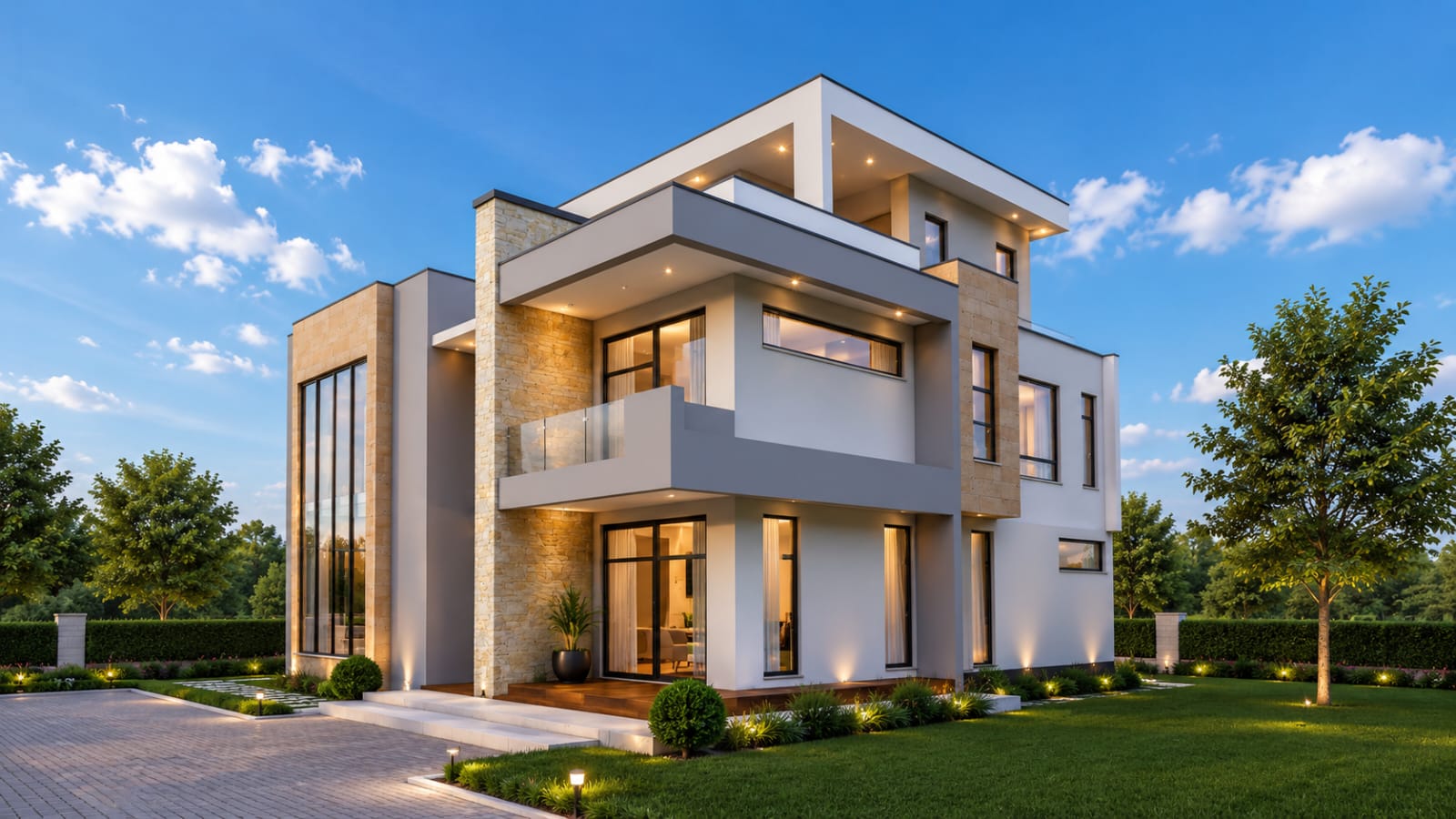
Whether you’re planning a contemporary house design, a luxury 5 bedroom house, or a low budget modern 3 bedroom house, the design process follows similar principles but requires different considerations at each budget level.

Here is a comprehensive step-by-step guide to designing a home in Kenya.

1. Prepare a Project Brief

A project brief is a document created by a prospective homeowner before engaging an architect. It outlines all the requirements for the project and serves as the foundation for everything that follows.

A brief helps you to obtain accurate fee proposals from your architect. Without this document, you’ll likely get vague quotes that change as the project progresses – something we’ve seen happen too many times.

The document includes information relating to the number of rooms as well as their sizes. It is advisable to get the measurements of a house that meets your standards. If you’re considering a 4 bedroom house design, visit similar completed homes to understand realistic room dimensions. A “4 bedroom house” can mean anything from 150 square meters to 400+ square meters depending on layout.

A project brief should also include your preferred building outflow – which is the outline/structure of the internal rooms of the house. Do you want open-plan living with kitchen, dining, and lounge connected? Or do you prefer compartmentalized rooms with clear separation? This affects everything from structural requirements to HVAC planning.

Your brief should also include the architectural style of the proposed house. Popular styles in Kenya include:

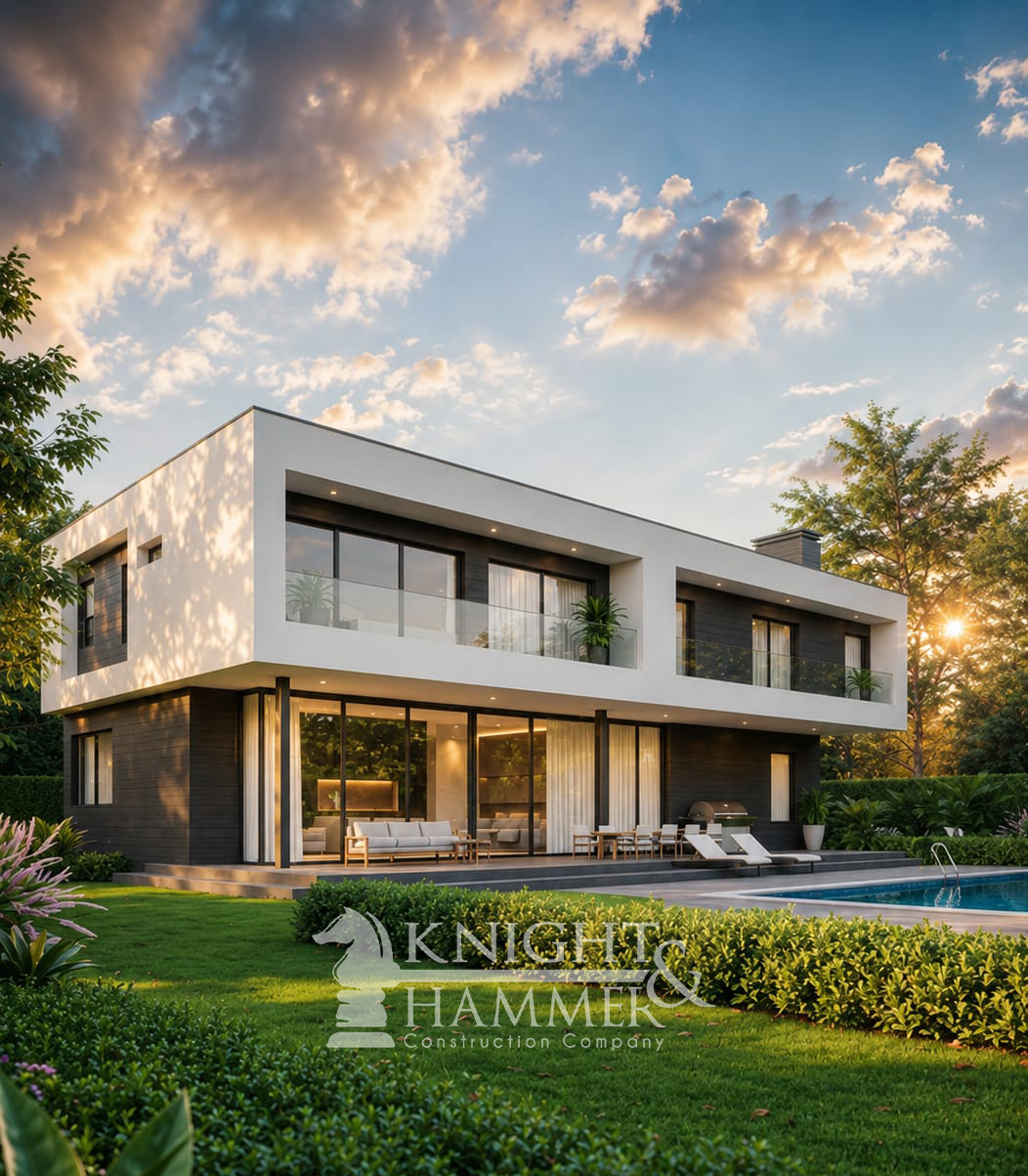
  • Modern flat roof houses with clean lines
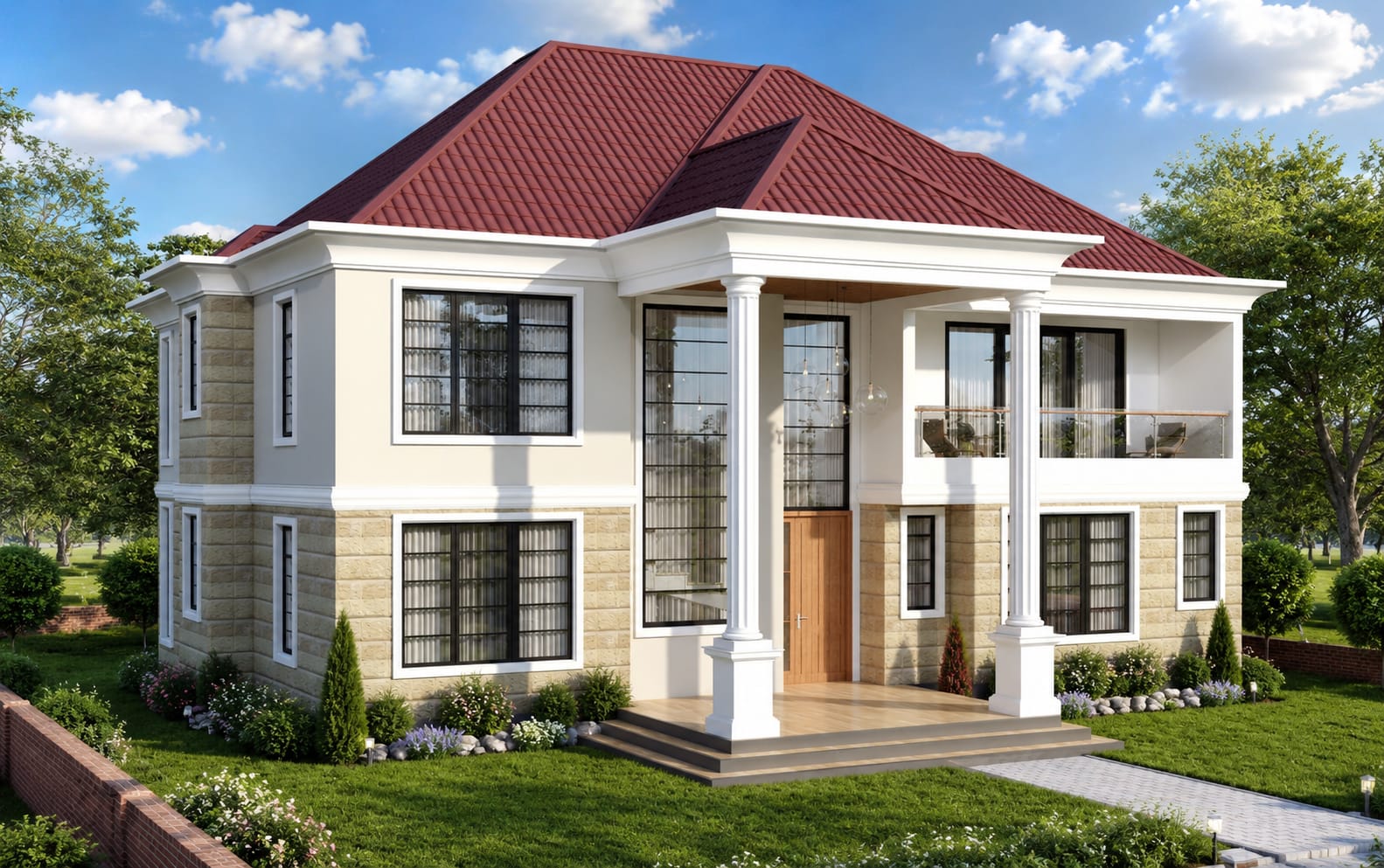
  • Traditional pitched roof bungalows
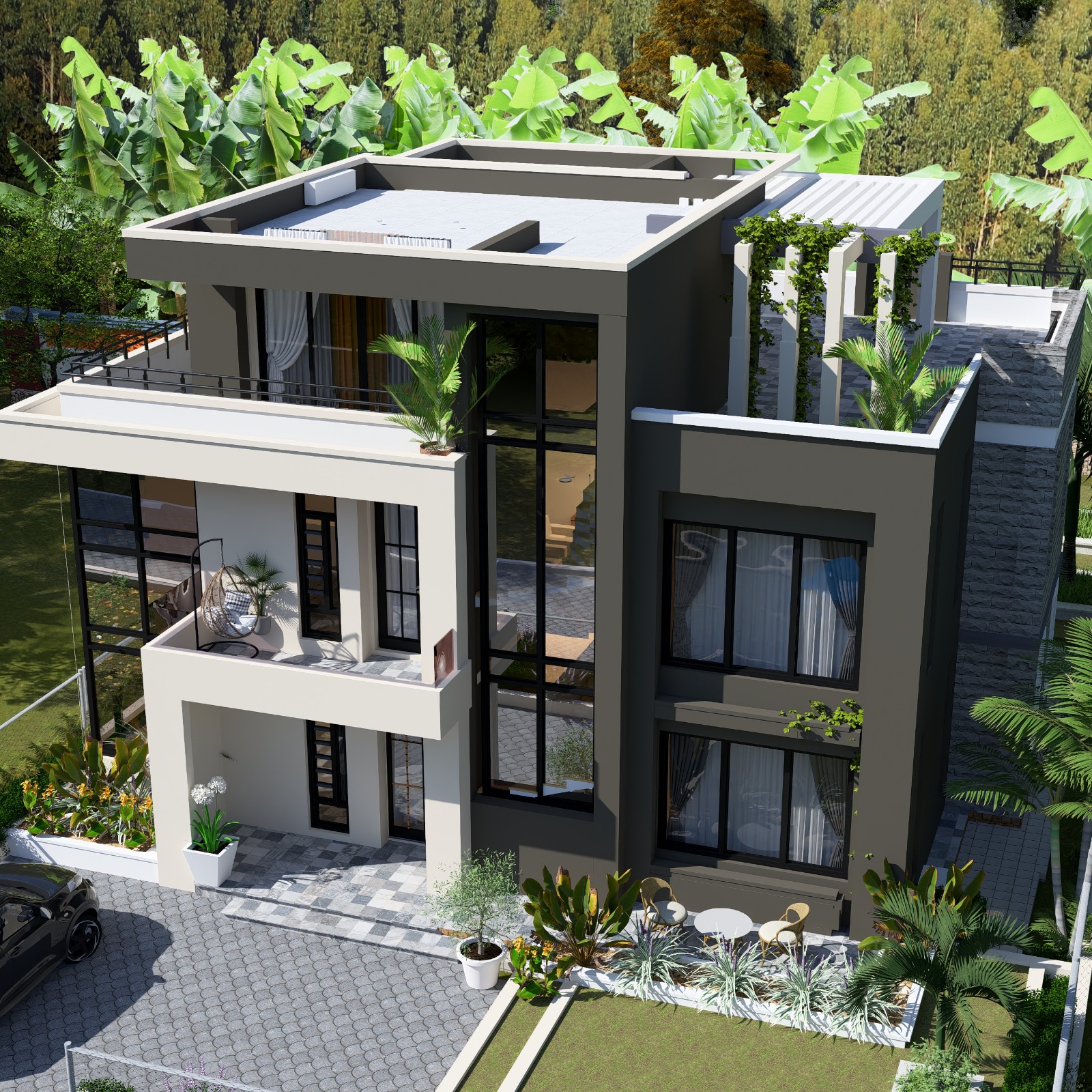
  • Two-story maisonettes
  • Contemporary villas with mixed materials
  • Eco-friendly designs with natural ventilation

The document should also outline your home’s heating strategy (though in most of Kenya, cooling is more important than heating). State whether you want a low-energy home that focuses on renewable energy. Solar panels are becoming standard in Kenyan homes, especially with unreliable grid power.

Additional elements to include in your project brief:

  • Budget range: Be honest about what you can spend. Don’t force your architect to design a KES 15 million house when your budget is KES 8 million.
  • Plot size and location: Different counties have different setback requirements and building codes.
  • Timeline: When do you want to move in? Realistic timelines for a 4-bedroom house are 12-16 months from design to completion.
  • Special requirements: Home office? DSQ (Domestic Staff Quarter)? Prayer room? Gym? These need to be planned from the start.
  • Water and utilities: Will you need a borehole? We offer comprehensive borehole drilling services in Kenya if your plot lacks reliable water supply.
  • Soil conditions: If you know your area has challenging soil, mention it. Some areas require deeper foundations or special engineering.

Editor’s Note: It is advisable to provide your design team with as much information as you can, even if it requires you to draw some sketches. We’ve created a comprehensive house design form that covers all the questions an architect needs answered. Fill this out before your first meeting and you’ll save weeks of back-and-forth communication.

WhatsApp Image 2023 02 18 at 4.29.14 AM

2. Pick a Design Team

Once your project brief is ready, it is time to jump into the second step of designing a home – which involves picking a design team.

It is important to hire a team that fully understands your vision. We’ve rescued too many projects where the architect delivered beautiful drawings that had nothing to do with what the client actually wanted.

Here are a few tips on choosing the right design team:

Interview at least three architects. Ask to see their portfolios. Don’t just look at pretty renderings – ask to visit completed projects. We encourage all our prospective clients to visit our completed projects and talk to previous clients.

Send your project brief and sketches of the structure to every architect you require a quotation from. This ensures you’re comparing apples to apples. If one architect quotes for a 200 sqm house and another for 250 sqm, you can’t properly compare prices.

Obtain written quotations and make sure they are fixed charges – and not percentage of cost quotes as these have no incentive for architects to lower costs. A percentage-based fee means the more expensive your house, the more your architect earns. This creates wrong incentives.

Don’t just pick the lowest quote. Remember you want excellent services and the design team needs to make some profit. An architect charging KES 150,000 for a 4-bedroom design will cut corners somewhere. Proper architectural services for a mid-size house typically cost KES 300,000-600,000 including structural engineering and all approvals.

Check their understanding of local regulations. Each county in Kenya has different building codes. Nairobi County requirements differ from Kiambu, Machakos, or Kakamega. Your architect should know the specific rules for your county.

Verify they have necessary certifications. Your architect should be registered with the Board of Registration of Architects and Quantity Surveyors (BORAQS). Engineers should be registered with the Engineers Board of Kenya (EBK).

At KNH Contractors, we handle the entire process from design to construction, which eliminates coordination headaches between different teams. Our architects, engineers, and builders work together from day one, which prevents the common problem of “this looks great on paper but can’t actually be built.”

WhatsApp Image 2023 02 18 at 4.29.14 AM 1

Key Design Stages

Upon the appointment of a design team, the process of designing a home can start immediately. This task is divided into four main stages: initial design, planning stage, building regulations, and the production of construction drawings.

a.) Initial Design (3-8 Weeks)

During the initial design stage, you will sit with your architect to review the project brief and to come up with a project timeline stating how the house will be built from start to finish.

You will then conduct a site review and soil examination, with the help of your engineers, to determine if the ground is fit for natural drainage solutions. Kenya has diverse soil types – black cotton soil in parts of Nairobi requires different foundation approaches than murram or sandy soils found in Coast region.

Critical site assessments include:

  • Topography survey (is your plot level, sloped, or irregular?)
  • Soil bearing capacity test (determines foundation depth)
  • Water table level (affects foundation and borehole drilling feasibility)
  • Existing trees and features worth preserving
  • Sun orientation (affects window placement for natural light and heat management)
  • Prevailing wind direction (for natural ventilation)
  • Views worth capturing
  • Noise sources to buffer against

Based on the findings of the study, the architect will then produce initial sketch drawings that should be presented to you for review and consideration.

Your architect should give you two variations of the design so that you can pick bits from each to allow the creation of a third and final drawing. If they present only one option and insist “this is the best design,” consider it a red flag. Good architects explore options.

Common design decisions at this stage:

Room placement: Where should bedrooms go? Upstairs or single-story? Should the master bedroom have ground floor access for aging-in-place? Should guest bedrooms be separate from family bedrooms?

Kitchen style: Open-plan or closed? Kitchen island or not? If you’re interested in modern kitchens, look at our house design models which showcase different kitchen configurations.

Bathroom count: How many bathrooms do you actually need? For a 4-bedroom house, we typically recommend 3-4 bathrooms minimum (one ensuite for master, one for other bedrooms to share, one guest toilet downstairs, and sometimes one for the DSQ).

Storage solutions: Built-in wardrobes? Separate pantry? Where does laundry equipment go? We’ve learned that Kenyan homes need more storage than Western designs typically include.

Outdoor spaces: Covered porch? Balconies? Rooftop terrace? For flat roof house designs, rooftop space can become gyms, gardens, or entertainment areas.

Once the design is agreed upon, you can now shift your focus to conducting an energy assessment to identify the best heating solutions for your home. In Kenya, this is more about cooling and ventilation than heating. Natural cross-ventilation, proper roof insulation, and strategic window placement can eliminate the need for air conditioning in most areas.

During this stage, which should typically last between three and eight weeks, you should engage a quantity surveyor to undertake a budget cost exercise. This prevents the common problem of designing a KES 12 million house when your budget is KES 8 million. The QS provides a reality check before you’ve invested too much in the design.

Once you are pleased with the design – which should meet all your requirements – you can now jump into the next stage of designing a house.

b.) Planning Stage (6-12 Weeks)

Here, you will work with your architect and an engineer to iron out any issues with the drawings or project site.

You will also look at any planning policies that could affect your project. In Kenya, these include:

  • County setback requirements (how far your house must be from property boundaries)
  • Building height restrictions
  • Floor area ratio (FAR) – maximum building coverage allowed on your plot
  • Environmental impact requirements (especially in controlled areas)
  • Riparian reserve regulations if you’re near water bodies
  • Access road requirements
  • Parking space minimums

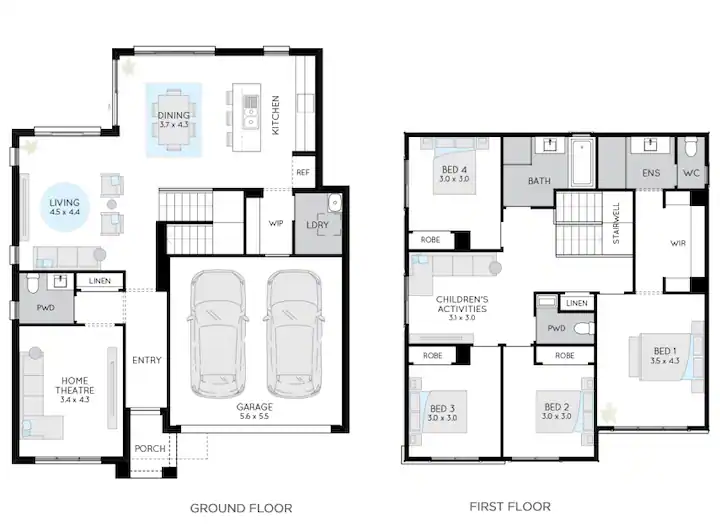
During this stage, all drawings and sketches will be updated, and 3D-rendered models and images presented to you. As such it helps to work with an architect who presents his blueprints in a 3D drawing package. 2D floor plans are hard to visualize – 3D renderings let you “walk through” your future home and spot problems before construction starts.

Thereafter, you will work on the other documents needed to get a building permit. These are structural design calculations and detailing.

Documents required for building approval in most Kenyan counties:

  • Architectural drawings (site plan, floor plans, elevations, sections)
  • Structural drawings and calculations (signed by registered engineer)
  • Plumbing and drainage layout
  • Electrical layout
  • Title deed or lease document
  • Survey plan
  • National ID/Passport copies
  • Approval fees (vary by county)
  • Environmental Impact Assessment (for projects above certain thresholds)

The approval process timeline varies by county:

  • Nairobi County: 4-10 weeks typically
  • Kiambu County: 4-12 weeks
  • Machakos County: 2-8 weeks
  • Kakamega County: 2-6 weeks
  • Mombasa County: 4-8 weeks

These are realistic timelines. Some counties claim “30 days” but actual approval takes longer due to backlogs and back-and-forth on corrections.

Upon obtaining the planning approval, you will be free to proceed to the next stage of development.

Important: Some people start construction before approval, assuming they’ll get it eventually. This is risky. Counties can order demolition of unapproved structures, and you won’t get insurance or proper utilities connection without approved plans.

WhatsApp Image 2023 02 18 at 4.29.15 AM

c.) Building Regulations (1-2 Weeks)

During this stage, you will need to work with your designer, engineer, and county planner to conduct a building regulation review of the drawings to confirm they comply with all the regulations.

The engineer and the energy assessor will complete their initial designs and integrate them with the architect’s blueprints. The outcome of the integration should be checked by the client to ensure the design still matches the project brief.

Key building regulations in Kenya include:

Foundation requirements: Minimum depth of 600mm below ground level, but deeper in areas with black cotton soil or poor bearing capacity.

Wall specifications: Minimum 200mm thick for load-bearing walls, proper damp-proof course (DPC) installation, adequate reinforcement.

Roofing standards: For flat roofs, proper waterproofing membrane is mandatory. For pitched roofs, adequate pitch for drainage (usually minimum 15 degrees).

Window and door sizes: Minimum window area for natural light and ventilation (typically 10% of floor area). Emergency egress requirements for bedrooms.

Ceiling heights: Minimum 2.4 meters for habitable rooms.

Staircase regulations: Maximum riser height, minimum tread depth, handrail requirements, headroom clearance.

Septic tank placement: Minimum distances from house, water sources, and property boundaries. Some counties now require biodigesters instead of traditional septic systems.

Fire safety: Fire-rated materials in certain applications, smoke detectors, fire extinguisher placement for larger homes.

Accessibility: While not always enforced, consider universal design principles that allow aging-in-place or accommodate family members with mobility challenges.

The review should take about 1 to 2 weeks depending on the county government. Some counties are faster, others slower. Budget extra time for this – it’s always longer than expected.

It is advisable to deal with any planning issues as early as possible to avoid any future penalties that could delay construction works. We’ve seen projects stopped mid-construction because someone noticed the approved plans don’t match what’s being built. The penalties are expensive and the delays frustrating.

d.) Production of Construction Drawings (1-2 Weeks)

This is often skipped by self-builders seeking to cut costs. However, the production of drawings enables you to provide the contractor with all the required information.

This will help them build exactly as you want by removing any grey areas.

What construction drawings include that approval drawings don’t:

Detailed foundation plans: Exact rebar schedules, concrete mixes, foundation depth variations for different soil zones.

Wall sections: Showing exactly how walls connect to foundations, how windows and doors are installed, where reinforcement goes.

Roof construction details: Beam sizes, spacing, connection methods, waterproofing layers.

Finishing schedules: Exact specifications for tiles, paint colors, door hardware, light fixtures, sanitary ware.

Plumbing details: Pipe sizes, slope requirements, cleanout locations, valve positions.

Electrical details: Exact outlet locations, switch positions, lighting circuits, main panel specifications.

Joinery details: Built-in wardrobes, kitchen cabinets, countertop materials and dimensions.

Without these details, contractors make their own decisions – which might not match what you wanted. We’ve seen clients frustrated because “the kitchen island isn’t where I wanted it” or “these tiles aren’t what I imagined.” Construction drawings prevent these problems.

The cost of producing construction drawings is typically 20-30% of the overall architectural fee. For a KES 100,000 architectural package, construction drawings might add KES 100,000-150,000. This seems expensive until you realize it saves you from KES 500,000+ in construction mistakes and rework.

Additional Considerations for Building in Kenya

Water Supply Planning

Kenya faces water scarcity in many regions. Your house design should address this:

Borehole installation: If municipal water is unreliable (which it is in most areas), plan for a borehole. We provide borehole drilling services across Kenya. The cost of drilling a borehole in Kenya varies by depth and location but typically ranges from KES 150,000-600,000.

Rainwater harvesting: Your roof can collect thousands of liters during rainy seasons. A 200 sqm roof can harvest about 80,000 liters per year in areas receiving 400mm annual rainfall.

Water storage: Plan for minimum 5,000-10,000 liter tanks for a family home. Larger homes or areas with severe water shortages need 20,000+ liters.

Greywater recycling: Bathroom and kitchen water can irrigate gardens after basic filtration.

If you’re unsure about water availability on your plot, read our guide on what to look for when drilling a borehole.

WhatsApp Image 2023 02 18 at 4.29.15 AM 1

Material Selection for Kenyan Climate

Roofing: Iron sheets are common but absorb heat. Consider:

  • Insulated roofing sheets (cost 30% more but reduce indoor temperatures significantly)
  • Concrete or clay tiles (better thermal mass, more expensive)
  • Flat roof construction with proper insulation (works well for contemporary house designs)

Walls: Standard concrete blocks work, but consider:

  • Stabilized soil blocks (cheaper, better thermal properties)
  • Hollow blocks with cavity insulation
  • Rendered finishes in light colors to reflect heat

Flooring: Ceramic tiles are popular for good reason – they’re cool, durable, and easy to clean. Hardwood looks great but suffers in humid areas like Coast region.

Windows: Invest in quality aluminum frames. Cheap steel windows rust within 3-5 years in Kenya’s climate.

Security Considerations

Security affects design in Kenya. Consider:

  • Boundary wall height and design (most counties allow 2.4m maximum)
  • Secure room or safe room in larger homes
  • Security lighting placement
  • CCTV camera mounting points
  • Access control for gates
  • Perimeter alarm systems

These should be planned during design, not added later.

Landscaping and Outdoor Spaces

Don’t neglect outdoor design:

  • Covered parking (protects cars from sun damage)
  • Outdoor entertainment areas
  • Garden irrigation systems
  • Compound drainage to prevent waterlogging
  • Cone gardens for space-efficient urban gardening
  • Multi-storey gardens for vertical green spaces

Budget Reality Check

Many Kenyans underestimate building costs. Here’s realistic budgeting for 2025:

Basic 3-bedroom house: KES 3-5 million Mid-range 4-bedroom house: KES 6-10 million
Luxury 5-bedroom house: KES 10-18 million

These include:

  • Foundation to roofing
  • All finishes
  • Plumbing and electrical
  • Built-in furniture
  • Professional fees
  • County approvals

They DON’T include:

  • Land cost
  • Furniture and appliances
  • Landscaping
  • Boundary wall
  • Borehole (add KES 200,000-500,000)
  • Solar system (add KES 400,000-1,000,000)

Timeline Reality

Typical timeline from design to move-in:

PhaseDuration
Design and approvals1-2 months
Foundation and structure1 months
Roofing and walling1 months
Plumbing, electrical, finishes<1 months
Final touches and cleanup1 month
Total realistic timeline6 months

Anyone promising 3 months is either building something much simpler or setting unrealistic expectations.

Working With KNH Contractors

At KNH Contractors, we’ve streamlined the design and construction process:

Design phase: We start with your house design form to understand your needs, then create customized designs with 3D renderings.

Approval phase: We handle all county approvals, structural engineering, and regulatory compliance.

Construction phase: Our team builds exactly to the approved plans with regular client updates.

Additional services: We provide borehole drilling, landscaping, and ongoing maintenance support.

We’ve designed and built homes across Kenya – from low budget modern 3 bedroom houses to luxury estates. Check our portfolio or contact us to discuss your project.

For more information about our services, visit our services page or browse our blog for more house design tips and construction advice.


Bottom line: Designing a home in Kenya requires understanding local conditions, regulations, and realistic budgets. Skip steps to save money upfront and you’ll pay multiples later in corrections and rework. Invest in proper design and you’ll build exactly what you want, within budget, and on a realistic timeline.

Low Budget Modern 3 Bedroom House Design

Low Budget Modern 3 Bedroom House Designs and Floor Plans

Working on a budget? Most people are! Discover the best low-budget, modern, three-bedroom house designs. In the collection below, you’ll find small, one-two story layouts, contemporary-style plans with flat roofs, simple open floor plans with outdoor living, and more.

A three-bedroom house can be any size, but the low-budget designs in the collection below are under 2,000 sq. ft. In general, the smaller a house is, the less it costs to build and maintain.

It depends! Lots of things factor into cost to build, like location, the market, material choices, the size of the house, and more. We recommend ordering a cost report to get a better idea of what a particular plan will cost to build in your area. (Just click the message us on whatsapp button on the bottom right of your screen.)

Fear not! We can customize any house plan. So if you find a design that's almost perfect, but not quite, just click the whatsapp button on the product detail page and let us know what changes you'd like to make. Common modifications include adding a bathroom of powder room, editing the footprint, or changing the framing or foundation.

    1

    STEP 1 — Client Details

    2

    STEP 2 — Plot Information

    3

    STEP 3 — House Type

    4

    STEP 4 — Architectural Style

    5

    STEP 5 — Size & Layout

    6

    STEP 6 — Special Requirements

    7

    STEP 7 — Materials & Finishes

    8

    STEP 8 — Budget

    9

    STEP 9 — Additional Information

    10

    STEP 10 — Attachments

    Step 1/10

    STEP 1 — Client Details

    Step 2/10

    STEP 2 — Plot Information

    Step 3/10

    STEP 3 — House Type

    Step 4/10

    STEP 4 — Architectural Style

    Step 5/10

    STEP 5 — Size & Layout

    Step 6/10

    STEP 6 — Special Requirements

    Step 7/10

    STEP 7 — Materials & Finishes

    Step 8/10

    STEP 8 — Budget

    Step 9/10

    STEP 9 — Additional Information

    Step 10/10

    STEP 10 — Attachments


    Low cost simple 3 bedroom house plans in kenya

    Low cost simple 3 bedroom house plans in kenya

    In Kenya, the demand for low cost simple 3 bedroom house plans in kenya is on the rise, and our simple three-bedroom house plans cater to that need. Our team of experienced architects and designers have crafted these plans with a focus on affordability, functionality, and aesthetics. You don’t have to compromise on quality or style when you choose our low-cost house plans.

    With our extensive range of designs, you can select the layout that suits your preferences and plot size. We offer a variety of styles, from modern and contemporary to traditional and rustic, ensuring there’s a design to match your taste. Our plans also consider environmental sustainability, incorporating energy-efficient features to reduce costs and ecological impact.

    Don’t let budget constraints hold you back from owning your dream home. Explore our low-cost simple three-bedroom house plans in Kenya today and start building your future with confidence.

    Benefits of choosing low cost simple 3 bedroom house plans.

    Building a new home is an exciting yet daunting task, especially when it comes to managing the costs. Low cost simple 3 bedroom house plans offer a practical and financially prudent solution for homeowners in Kenya. By opting for these plans, you can enjoy several advantages that make the home-building process more accessible and manageable.

    One of the primary benefits of low-cost house plans is the significant savings they offer. These plans are designed to maximize efficiency and minimize unnecessary expenses, allowing you to stretch your budget further. From the initial construction costs to the ongoing maintenance and utility expenses, a well-designed low-cost plan can help you achieve your dream of homeownership without straining your finances.

    Another advantage of low-cost house plans is their flexibility. These plans often feature adaptable layouts and modular designs, making it easier to customize the home to suit your specific needs and preferences. Whether you’re a growing family, a first-time homebuyer, or an investor looking for a cost-effective rental property, low-cost plans can be tailored to accommodate your unique requirements.

    Factors to consider when choosing 3 bedroom house plans.

    When selecting house plans in Kenya, it’s essential to consider a variety of factors to ensure you make an informed decision that aligns with your needs and budget. One of the primary considerations is the plot size and orientation, as these will dictate the layout and design of your home.

    Another crucial factor is the local climate and environmental conditions. Kenya’s diverse regions, from the coastal areas like mombasa to the Kericho highlands, present unique challenges and opportunities when it comes to home design. Low-cost house 3 bedroom plans should incorporate features that address these regional factors, such as proper ventilation, insulation, and water management systems, to enhance energy efficiency and comfort.

    Regulatory requirements and zoning laws are also essential considerations when choosing house plans in Kenya. Each county or municipality may have specific guidelines and regulations regarding building materials, setbacks, and other construction-related factors. Ensuring your selected plan complies with these local regulations can save you time, money, and potential headaches down the line.

    Best low cost simple 3 bedroom house plans to build 2024.

    1.Simple 3 bedroom house plan 1

    This home’s floor plan is designed to make the most of every square foot. The layout is both practical and intuitive, with clearly defined areas for living, dining, and sleeping.

    low cost simple 3 bedroom house plans in kenya
    • Living Room: As you enter, you’re greeted by a spacious living room that seamlessly connects to the dining area. This open-concept design not only maximizes space but also fosters a sense of togetherness, making it perfect for families or entertaining guests. The large windows in the living room ensure that the space is always bright and inviting.
    • Kitchen and Dining: The kitchen is strategically placed near the dining area, making meal preparation and serving a breeze. With modern appliances, ample counter space, and storage, the kitchen is both functional and stylish. The dining area, marked by a simple “EAT” on the floor plan, provides a comfortable space for family meals or casual dining.
    • Bedrooms: This home includes three well-proportioned bedrooms, each offering a peaceful retreat from the hustle and bustle of daily life. The master bedroom, located in a quiet corner of the house, comes with ample closet space and easy access to the main bathroom. The additional two bedrooms are perfect for children, guests, or even a home office, depending on your needs.
    • Bathrooms: The home features two bathrooms, one conveniently located near the bedrooms and another in the main living area. The bathrooms are designed with modern fixtures and a layout that ensures both functionality and comfort.
    • Additional Spaces: A passage connects the bedrooms to the rest of the house, ensuring privacy while maintaining an open feel. The front verandah offers additional outdoor living space, perfect for enjoying your morning coffee or an evening breeze.

    2. Simple 3 bedroom house plan 2

    This home’s floor plan is designed with comfort and practicality in mind, offering well-defined spaces for living, dining, and resting. The layout ensures that each area of the home is easily accessible while maintaining a sense of privacy.

    low budget modern 3 bedroom house design

    Additional Features: The floor plan also includes a corridor that connects the bedrooms, ensuring a smooth flow throughout the home. There is a small storage area near the bedrooms, perfect for keeping the home organized.

    Living Room: The living room is the heart of the home, centrally located to serve as a gathering place for family and friends. With ample space for seating and large windows that let in plenty of light, this room is perfect for relaxation and socializing.

    Dining and Kitchen Area: Adjacent to the living room is the dining area, which flows seamlessly into the kitchen. The open-plan design enhances the sense of space and makes entertaining a breeze. The kitchen is well-equipped with modern amenities, offering plenty of counter space and storage. A small veranda off the kitchen provides a convenient outdoor space for enjoying meals or morning coffee.

    Bedrooms: The home features three comfortable bedrooms. The master bedroom is spacious, with an attached bathroom and ample closet space. The other two bedrooms are well-sized, ideal for children, guests, or a home office. Each bedroom is designed to offer a peaceful retreat, ensuring privacy and comfort.

    Bathrooms: The house includes two well-appointed bathrooms, one of which is an en-suite for the master bedroom. The layout is practical, with easy access from the bedrooms and living areas, ensuring convenience for the entire household.

    3. Simple 3 bedroom house plan 3

    This home’s floor plan is thoughtfully designed to accommodate the needs of a modern family, with well-proportioned rooms, functional spaces, and a layout that promotes easy living.

    low cost simple 3 bedroom house plans in kenya 1 e1758854485183

    Outdoor Spaces: The design includes a small back porch, ideal for enjoying outdoor meals or simply relaxing in the fresh air. The connection between the indoor and outdoor spaces is seamless, enhancing the livability of the home.

    Sitting Room: The heart of the home is the spacious sitting room, strategically located to serve as the main gathering area. With plenty of space for seating, this room is perfect for family movie nights, entertaining guests, or simply relaxing after a long day.

    Kitchen: Adjacent to the sitting room is the kitchen, which is both stylish and functional. It features modern appliances, ample counter space, and a breakfast bar that’s perfect for quick meals or casual dining. The kitchen is designed to be the hub of the home, with easy access to all the main living areas.

    Bedrooms: This home offers three comfortable bedrooms. The master bedroom is a highlight, featuring a walk-in closet (W.I.C) and a private bathroom, providing a luxurious retreat within the home. The other two bedrooms are well-sized, offering plenty of space for children, guests, or even a home office. Each bedroom is designed to be a personal haven, ensuring everyone has their own space to unwind.

    Bathrooms: The house includes two well-designed bathrooms, one of which is en-suite to the master bedroom. The bathrooms are modern and functional, with quality fixtures and a layout that maximizes space.

    Laundry and Utility Areas: A dedicated laundry room adds convenience to daily living, keeping chores organized and out of sight. The layout also includes a small utility space, ensuring that everything has its place in this home.

    4. Simple 3 bedroom house plan 4

    The floor plan of this home is meticulously designed to ensure that every square foot is utilized effectively. Despite its compact size, the home features all the essential elements needed for comfortable living.

    low cost simple 3 bedroom house plans in kenya 2
    • Lounge Area: At the heart of the home is the lounge area, which serves as the main living space. It’s centrally located and easily accessible from all parts of the house, making it the perfect spot for relaxing, entertaining guests, or spending time with family. The open-plan design ensures that the space feels airy and connected, despite the home’s compact footprint.
    • Kitchen and Dining: Adjacent to the lounge area is the kitchen and dining space. The kitchen is equipped with all the modern conveniences, including a cooking area, a mini store for additional storage, and a breakfast bar that doubles as a dining area. This setup is not only practical but also creates a cozy atmosphere for meals and casual gatherings.
    • Bedrooms: The home features three bedrooms, each designed to maximize comfort and privacy. The master bedroom is spacious and includes its own en-suite bathroom (WC/SH), providing a private retreat within the home. The other two bedrooms are well-sized, ideal for children, guests, or even a home office. These bedrooms share a common bathroom, which is conveniently located for easy access.
    • Bathrooms: The home includes two bathrooms, one en-suite to the master bedroom and another shared by the two additional bedrooms. Both bathrooms are designed with modern fixtures and are strategically placed to maximize convenience and privacy.
    • Front Verandah: The design also includes a front verandah, offering an additional outdoor living space. This area is perfect for enjoying the outdoors, whether it’s sipping your morning coffee or relaxing in the evening breeze.

      1

      STEP 1 — Client Details

      2

      STEP 2 — Plot Information

      3

      STEP 3 — House Type

      4

      STEP 4 — Architectural Style

      5

      STEP 5 — Size & Layout

      6

      STEP 6 — Special Requirements

      7

      STEP 7 — Materials & Finishes

      8

      STEP 8 — Budget

      9

      STEP 9 — Additional Information

      10

      STEP 10 — Attachments

      Step 1/10

      STEP 1 — Client Details

      Step 2/10

      STEP 2 — Plot Information

      Step 3/10

      STEP 3 — House Type

      Step 4/10

      STEP 4 — Architectural Style

      Step 5/10

      STEP 5 — Size & Layout

      Step 6/10

      STEP 6 — Special Requirements

      Step 7/10

      STEP 7 — Materials & Finishes

      Step 8/10

      STEP 8 — Budget

      Step 9/10

      STEP 9 — Additional Information

      Step 10/10

      STEP 10 — Attachments


      Low Budget Modern 3 Bedroom House Design

      3 Bedroom House Plans for Dream Family Homes

      3 bedroom house plans are an ideal choice for singles, couples, and medium-sized families with the need for a more spacious home than one and two-bedroomed houses.

      These plans are made with style, functionality, and comfort in providing for all the diverse needs of each member of a modern family.

      Since the demand for three-bedroom units is usually high among large families, 3 bedroom house plans in Kenya are quite popular among homeowners.

      If you’re looking to build a more spacious home, here is a quick compilation of three-bedroom house plans to inspire your construction journey.

      3 Bedroom House Plans

      three bedroom house plan

      This house has an open floor plan, a kitchen island, and a split-bedroom layout. It has a spacious living room, two bathrooms, an island/breakfast door and a balcony.

      3-bedroom-house plan with open kitchen

      This 3-bedroom house plan offers a spacious kitchen and dining area combination to make the layout more open and appealing.

      The kitchen island is perfect for entertaining and the bedrooms can comfortably accommodate a large number of overnight guests.

      three bedroom house plan 2

      This plan offers two full bathrooms and a 24’X24’ garage. The open floor plan works well for entertaining and makes the house feel a little more spacious.  

      three bedroom house plan 3

      With 2,312 sq ft of living space, this is a huge house. It has two full bathrooms, one-half bathroom and a semi-open kitchen with a dedicated dining area.

      3-bedroom-house-plan-4

      This type of 3 bedroom house plan offers a large living area that seamlessly flows to the kitchen, which is open to the dining area.

      The bedroom on the left of the entry has a closet, and there is a bathroom at the entry of the bedroom.

      There is also a space for furniture and coats alongside the bedroom. The two bedrooms on the right side of the entry have a closet and detached bathroom.

      By far our trendiest bedroom configuration, 3 bedroom floor plans allow for a wide number of options and a broad range of functionality for any homeowner. A single professional may incorporate a home office into their three bedroom house plan, while still leaving space for a guest room.

      In another 3 bedroom house plan a young couple can set up the perfect bedroom for their child while maintaining space for a study, for guests, or even for another addition to their family. For that reason, it is critical to note the location of the three bedrooms within the house plan. Do you desire a quiet retreat from noisy teens’ bedrooms? If so, a master suite well removed from the other bedrooms is your best bet.

      On the other hand, if you have small children, you may want all bedrooms presented on the same level in close proximity to each other. Carefully considering how the 3 bedrooms will be used — and may be used in the future — will ensure that your three bedroom house plan selection will serve you and your family well for years to come.

      Contact Knight and Hammer Contractors to get your three bedroom house plan architectural and structural design done.

      Design your dream home

      Get Your Custom Design

        1

        STEP 1 — Client Details

        2

        STEP 2 — Plot Information

        3

        STEP 3 — House Type

        4

        STEP 4 — Architectural Style

        5

        STEP 5 — Size & Layout

        6

        STEP 6 — Special Requirements

        7

        STEP 7 — Materials & Finishes

        8

        STEP 8 — Budget

        9

        STEP 9 — Additional Information

        10

        STEP 10 — Attachments

        Step 1/10

        STEP 1 — Client Details

        Step 2/10

        STEP 2 — Plot Information

        Step 3/10

        STEP 3 — House Type

        Step 4/10

        STEP 4 — Architectural Style

        Step 5/10

        STEP 5 — Size & Layout

        Step 6/10

        STEP 6 — Special Requirements

        Step 7/10

        STEP 7 — Materials & Finishes

        Step 8/10

        STEP 8 — Budget

        Step 9/10

        STEP 9 — Additional Information

        Step 10/10

        STEP 10 — Attachments


        Roofing Design for 3 Bedroom House

        Roofing Design for 3 Bedroom House: Expert Guide for Kenyan Homebuilders

        Key Takeaways

        FactorDetails
        Most Popular Roof TypesHip roofs (75% choice), Gable roofs (versatile), Flat roofs (modern appeal)
        Best MaterialsIron sheets (affordable), Clay tiles (premium), Concrete tiles (durable)
        Cost RangeKSh 180,000 – 450,000 for complete roofing system
        Pitch Requirements30-45 degrees for iron sheets, 22-30 degrees for tiles
        Drainage Essentials6-inch gutters, proper slope calculation, downspouts every 12 meters
        Modern TrendsSolar integration, green roofing, smart ventilation systems

        Understanding 3 Bedroom House Roof Fundamentals

        When I started designing roofs twenty years ago, most clients picked whatever looked nice. That approach cost them thousands in repairs later. Your roof isn’t just a hat for your house – it’s the primary defense against Kenya’s unpredictable weather patterns. Roofing Design for 3 Bedroom House

        Contemporary house design

        Three bedroom houses typically span 120-180 square meters, which creates specific structural requirements. The roof must handle wind loads from our seasonal storms and support its own weight plus potential solar panels. I’ve seen too many homeowners choose beautiful designs that buckle under the first heavy rainfall because they ignored load calculations. Roofing Design for 3 Bedroom House

        Your roof design affects everything inside your home. Poor ventilation creates condensation problems that damage walls and furniture. Inadequate insulation makes rooms unbearably hot during dry seasons and increases electricity bills dramatically. Roofing Design for 3 Bedroom House

        Most contemporary house designs now incorporate multiple roof elements – not just one simple shape. This complexity requires careful planning to prevent water infiltration at joints and transitions. Roofing Design for 3 Bedroom House

        Popular Roof Types for Modern 3 Bedroom Homes

        Hip roofs dominate Kenyan residential construction for good reasons. They shed water efficiently in all directions and resist wind uplift better than other designs. I recommend hip roofs for exposed locations where strong winds are common.

        4-bedroom flat roof with dsq

        Gable roofs offer the most interior space and cost less to construct. They’re perfect if you want to add a ceiling or create storage areas. The triangular shape provides excellent water runoff, though you’ll need proper bracing for wind resistance. Roofing Design for 3 Bedroom House

        Flat roof houses are gaining popularity among younger homeowners. They provide space for rooftop gardens, solar installations, and outdoor entertainment areas. However, flat roofs require more maintenance and premium waterproofing materials. Roofing Design for 3 Bedroom House

        Combination roofs mix different styles – perhaps a hip roof over the main living area with gable sections over bedrooms. This approach creates visual interest while optimizing function for different spaces. The key is ensuring all sections drain properly without creating water traps. Roofing Design for 3 Bedroom House

        Material Selection for Durability and Style

        Iron sheets remain the most practical choice for most Kenyan homes. Gauge 28 or 30 provides adequate durability while keeping costs reasonable. I always specify pre-painted sheets rather than plain galvanized – the color coating extends lifespan significantly and looks better longer. Roofing Design for 3 Bedroom House

        Clay tiles offer superior insulation and last 50+ years with minimal maintenance. They’re heavier than iron sheets, requiring stronger roof structures, but the initial investment pays off through reduced cooling costs and virtually no replacement needs. Roofing Design for 3 Bedroom House

        4-bedroom house plan

        Concrete tiles provide a middle ground between iron sheets and clay tiles. They’re more affordable than clay but offer similar longevity and insulation properties. The variety of colors and profiles available makes them popular for upscale developments. Roofing Design for 3 Bedroom House

        Stone-coated steel sheets combine iron sheet affordability with tile aesthetics. They’re lighter than concrete tiles but provide better insulation than plain iron sheets. I recommend them for homeowners who want a premium look without the structural requirements of heavy tiles. Roofing Design for 3 Bedroom House

        Structural Requirements and Load Calculations

        Your roof structure must support dead loads (the roof materials themselves) plus live loads (wind, temporary workers, maintenance equipment). For iron sheet roofing, calculate 35-45 kg per square meter total load. Tile roofs require structures designed for 80-120 kg per square meter. Roofing Design for 3 Bedroom House

        Rafter spacing depends on your chosen materials and local wind conditions. Iron sheets typically need rafters every 600mm, while heavy tiles may require 400mm spacing. I always err on the conservative side – the cost difference is minimal but the safety margin is crucial. Roofing Design for 3 Bedroom House

        flat roof 5-bedroom house

        Foundation walls must be strong enough to handle roof loads plus any uplift forces from wind. This is especially critical for low budget modern 3-bedroom house designs where owners might be tempted to reduce structural elements to save money. Roofing Design for 3 Bedroom House

        Professional engineering calculations become essential for complex roof shapes or challenging sites. The small additional cost for proper engineering prevents expensive remedial work later and ensures your insurance coverage remains valid. Roofing Design for 3 Bedroom House

        Drainage Systems That Actually Work

        Kenya’s rainfall patterns create unique drainage challenges. We get months of dry weather followed by intense downpours that overwhelm inadequate guttering systems. Your gutters must handle peak rainfall, not average conditions. Roofing Design for 3 Bedroom House

        Six-inch gutters are minimum for most 3-bedroom houses. Smaller gutters overflow during heavy rains, causing water damage to walls and foundations. I’ve replaced countless 4-inch gutter systems that failed during their first rainy season. Roofing Design for 3 Bedroom House

        contemporary 4-bedroom with master ensuite

        Downspout placement requires careful calculation. Install one downspout for every 12 meters of gutter length maximum. Position them at low points to ensure complete drainage and size them to match gutter capacity. Roofing Design for 3 Bedroom House

        Proper slope is critical – gutters must fall 10-15mm per meter toward downspouts. Too little slope causes standing water and mosquito breeding. Too much slope creates turbulence that reduces drainage capacity during heavy rains. Roofing Design for 3 Bedroom House

        Underground drainage connections prevent soil erosion around your foundation. Simple splash blocks aren’t sufficient for our intense rainfall patterns. Connect downspouts to proper drainage systems that carry water well away from the house structure. Roofing Design for 3 Bedroom House

        Modern Roofing Innovations and Smart Features

        Solar panel integration requires planning from the design stage. Your roof structure must handle additional loads and provide optimal orientation for energy generation. South-facing slopes with 30-degree pitches maximize solar efficiency in Kenya’s location. Roofing Design for 3 Bedroom House

        Green roofing systems are becoming popular for flat roof houses. They provide insulation, reduce urban heat effects, and create usable outdoor space. However, they require specialized waterproofing and drainage systems plus ongoing maintenance. Roofing Design for 3 Bedroom House

        2-bedroom flat roof house design

        Smart ventilation systems automatically adjust based on temperature and humidity. Ridge vents combined with soffit vents create natural airflow that reduces cooling costs and prevents moisture problems. Active ventilation fans can supplement natural systems in challenging locations. Roofing Design for 3 Bedroom House

        Insulation options have expanded beyond traditional materials. Reflective barrier systems reduce heat transfer more effectively than bulk insulation alone. Combined systems using both approaches provide optimal comfort and energy efficiency. Roofing Design for 3 Bedroom House

        Cost Analysis and Budget Planning

        Basic iron sheet roofing for a 140-square-meter house costs KSh 180,000-220,000 including materials and installation. This covers gauge 30 iron sheets, timber structure, and basic guttering. Quality varies significantly among contractors, so don’t base decisions solely on price. Roofing Design for 3 Bedroom House

        Premium tile roofing ranges from KSh 350,000-450,000 for the same house size. The higher initial cost is offset by longer lifespan and reduced cooling expenses. Factor in the stronger structure required for tile installations when calculating total project costs. Roofing Design for 3 Bedroom House

        4-bedroom house design in Kenya

        Labor costs vary by location and contractor experience. Urban areas command 20-30% higher rates than rural locations, but access to materials and skilled workers is often better. Budget 40-50% of total roofing costs for labor and installation. Roofing Design for 3 Bedroom House

        Hidden costs include structural reinforcement for heavy materials, electrical work for solar integration, and upgraded guttering systems. Add 15-20% contingency to your initial budget for unexpected requirements discovered during construction. Roofing Design for 3 Bedroom House

        Professional Installation vs DIY Considerations

        Roofing work involves significant safety risks and technical complexity. Professional installers carry insurance coverage and guarantee their work. DIY installation might save money initially but often creates problems that cost more to fix than professional installation would have cost. Roofing Design for 3 Bedroom House

        Proper installation requires specialized tools and experience with local weather challenges. Poorly installed roofing fails prematurely and can cause extensive water damage to your home’s structure and contents. Roofing Design for 3 Bedroom House

        Four Bedroom House Plan With Flat Roof and Pergola

        Quality contractors provide warranties on both materials and workmanship. They understand local building codes and inspection requirements. Their experience prevents costly mistakes that inexperienced installers commonly make. Roofing Design for 3 Bedroom House

        KNH Contractors offers comprehensive roofing services with proven track records on hundreds of residential projects. Their team understands Kenya’s unique construction challenges and provides solutions that last. Roofing Design for 3 Bedroom House


        Frequently Asked Questions

        What’s the best roof pitch for a 3-bedroom house in Kenya? Iron sheet roofs need 30-45 degree pitches for proper water runoff. Tile roofs can work with 22-30 degree pitches. Steeper pitches shed water faster but increase wind resistance and construction costs. Roofing Design for 3 Bedroom House

        How long do different roofing materials last in Kenya’s climate? Iron sheets last 15-25 years depending on gauge and coating quality. Clay and concrete tiles last 50+ years with minimal maintenance. Stone-coated steel provides 30-40 year lifespan. Roofing Design for 3 Bedroom House

        Should I include gutters in my initial roofing budget? Yes, gutters are essential for protecting your foundation and walls. Budget KSh 45,000-65,000 for proper guttering systems on a 3-bedroom house. Roofing Design for 3 Bedroom House

        Can I add solar panels to any roof type? Most roof types can accommodate solar panels with proper mounting systems. Flat roofs offer the most flexibility for optimal panel positioning. Roofing Design for 3 Bedroom House

        What maintenance does each roof type require? Iron sheets need annual inspections and periodic repainting. Tile roofs require occasional tile replacement and gutter cleaning. All roofs benefit from professional inspections every 2-3 years. Roofing Design for 3 Bedroom House

        How do I choose between hip and gable roof designs? Hip roofs offer better wind resistance and water shedding. Gable roofs provide more interior space and cost less initially. Consider your location’s weather patterns and aesthetic preferences. Roofing Design for 3 Bedroom House

        Is it worth investing in premium roofing materials for a 3-bedroom house? Premium materials offer better longevity and energy efficiency. Calculate total lifecycle costs including maintenance and replacement when comparing options. Quality materials often provide better value over 20+ year periods.

        Roofing Design for 3 Bedroom House

        Design your dream home

        Get Your Custom Design

          1

          STEP 1 — Client Details

          2

          STEP 2 — Plot Information

          3

          STEP 3 — House Type

          4

          STEP 4 — Architectural Style

          5

          STEP 5 — Size & Layout

          6

          STEP 6 — Special Requirements

          7

          STEP 7 — Materials & Finishes

          8

          STEP 8 — Budget

          9

          STEP 9 — Additional Information

          10

          STEP 10 — Attachments

          Step 1/10

          STEP 1 — Client Details

          Step 2/10

          STEP 2 — Plot Information

          Step 3/10

          STEP 3 — House Type

          Step 4/10

          STEP 4 — Architectural Style

          Step 5/10

          STEP 5 — Size & Layout

          Step 6/10

          STEP 6 — Special Requirements

          Step 7/10

          STEP 7 — Materials & Finishes

          Step 8/10

          STEP 8 — Budget

          Step 9/10

          STEP 9 — Additional Information

          Step 10/10

          STEP 10 — Attachments


          Flat roof house design

          Flat Roof House Design: Modern Architecture Made Simple

          Key Takeaways

          ElementDetails
          Cost Advantage20-30% cheaper than pitched roofs
          MaintenanceAnnual waterproofing checks essential
          DrainageProper slope (1:40 minimum) prevents water pooling
          MaterialsConcrete slab with waterproof membrane
          Best ClimateWorks well in areas with moderate rainfall
          Design StylePerfect for modern, minimalist aesthetics
          Space UsageCan accommodate rooftop gardens or solar panels

          Why do some houses look so clean and modern while others seem stuck in the past? The answer often lies in the flat roof house design. Flat roof houses create that sleek, contemporary appearance that many homeowners crave. But there’s more to flat roofs than just looks – they offer practical benefits that make sense for modern living.

          1-4

          flat roof house design

          What Makes Flat Roof House Design Different from Traditional Options

          Flat roofs aren’t actually completely flat – they have a slight slope for drainage purposes. This subtle angle, usually around 1:40, allows rainwater to flow toward gutters and downspouts. Traditional pitched roofs shed water quickly through their steep angles, but flat roofs handle drainage more gradually.

          flat roof house design

          The construction process differs significantly too. Where pitched roofs use rafters, trusses, and multiple layers of materials, flat roofs typically employ a concrete slab as the base structure. This concrete gets covered with insulation and waterproofing materials. The result? A roof that doubles as usable space for various purposes.

          Most people think flat roofs are new, but they’ve been around for centuries in hot, dry climates. What’s changed is the technology – modern waterproofing materials and proper drainage systems have made flat roofs viable in areas with more rainfall. I’ve seen families transform their flat rooftops into garden spaces, entertainment areas, and even additional storage zones.

          The structural requirements are different too. Flat roofs need stronger support beams since they carry more load per square foot than angled roofs. This might seem like a disadvantage, but it actually creates opportunities for more open interior spaces without support columns interrupting room layouts.

          flat roof house design

          Benefits of Choosing Flat Roof Architecture for Your Home

          Cost savings represent the biggest advantage of flat roof design. You’ll spend 20-30% less on materials and labor compared to pitched roof construction. The reduced surface area means fewer materials, and the simpler construction process requires less specialized labor. For budget-conscious builders, this difference can free up thousands of shillings for other home improvements.

          Key financial and practical advantages:

          • Lower construction costs (less material, simpler labor)
          • Reduced maintenance expenses (easier access for repairs)
          • Additional usable space (rooftop gardens, solar installations)
          • Energy efficiency (better insulation opportunities)

          Space efficiency is another major benefit. Your flat roof can accommodate solar panels more effectively than pitched surfaces. The consistent angle and unobstructed surface area maximize solar energy collection. I’ve worked with homeowners who installed both solar panels and small garden areas on the same roof – something impossible with traditional pitched designs.

          Access for maintenance is incredibly simple with flat roofs. You can walk across the surface safely to clean gutters, inspect waterproofing, or service HVAC equipment. No more dangerous ladder work or expensive professional inspections. This accessibility translates to lower long-term maintenance costs and better care for your investment.

          flat roof 5 bedroom house design

          flat roof house design

          Modern Flat Roof Construction Materials and Techniques

          Today’s flat roof construction relies on advanced materials that solve the water problems that plagued older designs. The foundation starts with a reinforced concrete slab, typically 6-8 inches thick for residential applications. This creates a solid, stable platform that can support additional loads like rooftop gardens or equipment.

          Waterproofing technology has revolutionized flat roof performance. Modified bitumen membranes, EPDM rubber, and liquid applied coatings provide superior protection against water infiltration. These materials last 15-25 years with proper maintenance – much longer than the tar and gravel systems used decades ago.

          Modern flat roof layer system:

          1. Structural deck (reinforced concrete slab)
          2. Vapor barrier (prevents condensation problems)
          3. Insulation layer (foam board or spray foam)
          4. Waterproof membrane (EPDM, modified bitumen, or liquid coating)
          5. Protective layer (gravel, pavers, or green roof system)

          Insulation placement is crucial in flat roof design. The insulation goes above the structural deck, keeping the concrete warm and preventing thermal bridging. This “warm roof” design prevents condensation issues and improves energy efficiency significantly. Contemporary house designs often incorporate these advanced insulation techniques.

          Drainage systems have become much more sophisticated too. Internal drains, scuppers, and overflow systems ensure water never pools on the roof surface. Proper drainage design prevents the vast majority of flat roof problems, making them as reliable as any pitched roof system.

          Contemporary house design

          flat roof house design

          Flat Roof Design Ideas for Different House Sizes

          Small homes benefit tremendously from flat roof design because every square foot counts. A compact 2-3 bedroom house with a flat roof can incorporate rooftop storage or a small garden area that effectively expands the living space. The clean lines also make small houses appear larger than they actually are.

          For medium-sized family homes, flat roofs open up interesting possibilities. 4-bedroom house designs with flat roofs can include rooftop entertainment areas, solar panel arrays, or even small swimming pools. The structural strength of proper flat roof construction can support these additional features.

          Design ideas by house size:

          • Small homes (1-2 bedrooms): Rooftop gardens, storage areas
          • Medium homes (3-4 bedrooms): Entertainment spaces, solar installations
          • Large homes (5+ bedrooms): Pool areas, full outdoor kitchens, extensive gardens

          Large luxury homes can really showcase flat roof potential. Multiple roof levels create visual interest while providing different functional zones. One level might house mechanical equipment, another supports a garden, and a third provides entertainment space. This zoning approach maximizes the flat roof’s versatility.

          The key to successful flat roof design is understanding load requirements early in the planning process. Different activities require different structural support levels. A simple garden needs less reinforcement than a swimming pool or heavy equipment installation. Professional contractors can calculate these loads accurately during the design phase.

          2 bedroom flat roof house design

          flat roof house design

          Drainage and Waterproofing Essentials for Flat Roofs

          Water management makes or breaks flat roof performance. The primary drainage system should handle normal rainfall, while secondary systems manage heavy downpours. This redundant approach prevents water backup that could damage the roof or building interior.

          Slope design is critical even though the roof appears flat. A minimum 1:40 slope directs water toward drains or gutters. Steeper slopes (up to 1:20) work better in high rainfall areas but may affect the roof’s usability for other purposes. The slope must be consistent – no low spots where water can collect.

          Essential drainage components:

          • Primary drains (sized for normal rainfall)
          • Secondary drains (handle overflow conditions)
          • Scuppers (wall openings that allow water to escape)
          • Gutters and downspouts (collect and direct water away)
          • Overflow provisions (prevent catastrophic water buildup)

          Waterproof membrane selection depends on budget, climate, and intended roof use. EPDM rubber membranes last longest and resist punctures well. Modified bitumen systems cost less but require more maintenance. Liquid-applied coatings work well for complex roof shapes but need professional installation.

          Regular maintenance keeps drainage systems working properly. Debris removal, drain cleaning, and membrane inspection should happen at least twice yearly. Most flat roof problems develop gradually – catching them early prevents expensive repairs later. I always tell clients that preventive maintenance costs far less than emergency repairs.

          contemporary 5 bedroom house plan

          flat roof house design

          Energy Efficiency and Sustainability in Flat Roof Homes

          Flat roofs offer exceptional opportunities for energy efficiency improvements. The large, unobstructed surface area accommodates more solar panels than pitched roofs of similar homes. Panel installation is simpler too – no need for specialized mounting systems that work with roof angles and shingle patterns.

          Green roof systems turn flat roofs into living insulation layers. Plants and growing medium provide natural cooling through evapotranspiration while absorbing rainwater runoff. A well-designed green roof can reduce cooling costs by 30-50% during hot months. However, green roofs require stronger structural support and more complex waterproofing systems.

          Energy efficiency features for flat roofs:

          • Solar panel arrays (optimal sun exposure and easy installation)
          • Cool roof materials (reflect heat instead of absorbing it)
          • Enhanced insulation (easier to install thick insulation layers)
          • Natural ventilation (strategic openings create cooling airflow)

          Cool roof technology uses reflective materials to bounce solar heat away from the building. White or light-colored roof surfaces can stay 50-60 degrees cooler than dark surfaces. This temperature difference translates directly into lower air conditioning costs and improved indoor comfort.

          Rainwater harvesting works exceptionally well with flat roofs. The large collection area and controlled drainage systems make it easy to direct water into storage tanks. KNH Contractors often incorporates rainwater collection systems into flat roof designs, helping families reduce their water bills and environmental impact.

          Contemporary 5 bedroom design

          flat roof house design

          Common Flat Roof Problems and How to Prevent Them

          Water pooling represents the most serious flat roof problem. Poor drainage design or clogged drains allow water to accumulate, leading to membrane deterioration and potential leaks. Prevention requires proper slope design, adequate drainage capacity, and regular maintenance to keep drains clear.

          Membrane damage can occur from foot traffic, falling debris, or thermal expansion and contraction. High-quality membranes resist most damage, but even small punctures can cause significant problems if left unrepaired. Regular inspections help identify damage before it becomes costly.

          Most common flat roof issues:

          • Ponding water (improper drainage or blocked drains)
          • Membrane punctures (foot traffic, debris, thermal stress)
          • Flashing failures (around roof penetrations and edges)
          • Insulation problems (moisture infiltration, thermal bridging)

          Flashing details around roof edges, drains, and penetrations require careful attention during construction. These transition areas experience the most stress and are most likely to develop leaks. Quality materials and skilled installation prevent most flashing problems, but they still need periodic inspection and maintenance.

          Thermal movement affects all flat roof materials. Daily temperature changes cause expansion and contraction that can stress membranes and flashing details. Proper design accommodates this movement through expansion joints and flexible materials. Ignoring thermal effects leads to premature failure and expensive repairs.

          Professional installation makes the biggest difference in flat roof performance. Experienced contractors understand the critical details that prevent problems. They also provide warranties and maintenance services that protect your investment over time.

          4 bedroom flat roof with dsq

          flat roof house design

          Cost Analysis: Flat Roofs vs Traditional Pitched Roofs

          Initial construction costs favor flat roofs by significant margins. Material costs run 20-30% lower because flat roofs require less surface area to cover the same floor space. Labor costs are also reduced – flat roof construction is more straightforward than complex pitched roof framing and shingle installation.

          Long-term maintenance costs require careful consideration. Flat roofs need more frequent waterproofing maintenance, but this work is easier and safer to perform. Pitched roofs last longer between major maintenance cycles, but repairs are more expensive and dangerous to execute. Over a 20-year period, total costs are usually similar.

          Cost comparison breakdown:

          FactorFlat RoofPitched Roof
          Initial materials25-30% lessHigher
          Labor costs20-25% lessHigher
          Maintenance frequencyEvery 3-5 yearsEvery 5-10 years
          Maintenance cost per visitLowerHigher
          Energy savings potentialHigh (solar, insulation)Moderate

          Energy savings can offset higher maintenance costs over time. Solar panel installations pay for themselves faster on flat roofs due to optimal positioning and easier installation. Enhanced insulation opportunities also reduce heating and cooling costs significantly.

          Insurance considerations vary by location and insurance company. Some insurers charge slightly higher premiums for flat roofs due to perceived water damage risks. However, modern flat roof systems with proper maintenance have similar risk profiles to pitched roofs. Shopping for insurance quotes helps find companies that understand quality flat roof construction.

          The value equation becomes even more favorable when you consider the additional usable space flat roofs provide. Rooftop gardens, entertainment areas, and solar installations add value that pitched roofs can’t match. For many homeowners, these benefits justify any additional maintenance requirements.

          5 bedroom flat roof house

          flat roof house design

          Frequently Asked Questions

          How long do flat roofs last compared to pitched roofs?

          Modern flat roofs last 15-25 years with proper maintenance, while pitched roofs typically last 20-30 years. However, flat roof repairs are easier and less expensive to perform, making their lifecycle costs competitive with pitched alternatives.

          Can flat roofs handle heavy rainfall?

          Yes, when properly designed with adequate drainage systems. The key is having sufficient drain capacity and proper slope to prevent water pooling. Modern flat roofs perform well in all climate conditions with appropriate design modifications.

          Are flat roofs more prone to leaking?

          Not with modern construction methods and materials. Quality flat roofs have similar leak rates to pitched roofs. Most flat roof problems stem from poor installation or deferred maintenance rather than inherent design flaws.

          Can I walk on my flat roof?

          Most residential flat roofs can support foot traffic for maintenance purposes, but regular walking isn’t recommended without protective walkways. Commercial-grade flat roofs can accommodate more traffic with proper design and materials.

          Do flat roofs cost more to insure?

          Insurance costs vary by company and location. Some insurers charge slightly higher premiums, while others treat flat and pitched roofs equally. Shopping with multiple companies helps find the best rates for quality flat roof construction.

          What’s the best waterproofing system for flat roofs?

          EPDM rubber membranes offer the best longevity and puncture resistance for most residential applications. Modified bitumen systems cost less but require more maintenance. The choice depends on budget, climate, and intended roof use.

          Can I install solar panels on my flat roof?

          Flat roofs are ideal for solar installations. Panels can be positioned at optimal angles and installed more easily than on pitched surfaces. The weight capacity of the roof structure determines how many panels it can support.

          How much slope should a flat roof have?

          A minimum slope of 1:40 (1/4 inch per foot) is required for proper drainage. Steeper slopes up to 1:20 work better in high rainfall areas but may limit other roof uses. The slope should be consistent across the entire roof surface.

          Design your dream home

          Get Your Custom Design

            1

            STEP 1 — Client Details

            2

            STEP 2 — Plot Information

            3

            STEP 3 — House Type

            4

            STEP 4 — Architectural Style

            5

            STEP 5 — Size & Layout

            6

            STEP 6 — Special Requirements

            7

            STEP 7 — Materials & Finishes

            8

            STEP 8 — Budget

            9

            STEP 9 — Additional Information

            10

            STEP 10 — Attachments

            Step 1/10

            STEP 1 — Client Details

            Step 2/10

            STEP 2 — Plot Information

            Step 3/10

            STEP 3 — House Type

            Step 4/10

            STEP 4 — Architectural Style

            Step 5/10

            STEP 5 — Size & Layout

            Step 6/10

            STEP 6 — Special Requirements

            Step 7/10

            STEP 7 — Materials & Finishes

            Step 8/10

            STEP 8 — Budget

            Step 9/10

            STEP 9 — Additional Information

            Step 10/10

            STEP 10 — Attachments


            Low cost simple 3 bedroom house plans in kenya

            Low Budget Modern 3 Bedroom House Design: Affordable Homes That Don’t Compromise on Style

            Key Takeaways

            AspectDetails
            Budget RangeKsh 1.5M – 3.5M for complete construction
            Floor Area120-180 square meters optimal for 3 bedrooms
            Best MaterialsConcrete blocks, iron sheets, timber frames
            Design StyleModern minimalist with flat roof or simple pitched roof
            Cost-Saving FeaturesOpen floor plans, standard windows, local materials
            Construction Time2-3 months with proper planning

            Building a modern 3 bedroom house doesn’t have to drain your savings account. Many families in Kenya want stylish homes but face budget constraints that seem impossible to overcome. The good news? Smart design choices and careful material selection can give you that contemporary look without the hefty price tag.

            Contemporary House design

            low budget modern 3 bedroom house design

            Understanding Low Budget Modern Design Principles

            Modern design focuses on simplicity and functionality – two things that actually save money when done right. The key lies in maximizing space efficiency while minimizing unnecessary decorative elements that inflate costs. Clean lines, large windows, and open spaces create that contemporary feel without expensive finishes.

            What makes a design “modern” on a budget:

            • Flat roofs or simple pitched roofs (easier to construct)
            • Large, strategically placed windows for natural light
            • Open-plan living areas
            • Minimal exterior decorations
            • Standard room sizes that work with common building materials

            The beauty of low budget modern houses is their focus on function over fancy details. You’re not paying for complex architectural elements – instead, you get practical spaces that work well for everyday living. This approach has helped thousands of Kenyan families build homes they can actually afford.

            2 bedroom flat roof house design

            low budget modern 3 bedroom house design

            Essential Features of Budget-Friendly 3 Bedroom Layouts

            A well-planned 3 bedroom house needs smart space allocation to work within budget limits. The master bedroom should be around 12×14 feet, while the other two bedrooms can be 10×12 feet each. This sizing uses standard materials efficiently and reduces waste.

            Optimal room arrangement for cost savings:

            • Living room: 14×16 feet (serves as main gathering space)
            • Kitchen: 10×12 feet (can be open to dining area)
            • Dining area: 8×10 feet (can share space with living room)
            • Bathrooms: One main bathroom (6×8 feet) plus ensuite for master (5×6 feet)

            The trick is creating flow between spaces without wasting square footage on long corridors. An experienced contractor told me that well-designed 3 bedroom houses feel larger than poorly planned 4 bedroom homes. When you eliminate unnecessary walls and create multipurpose areas, even 140 square meters can feel spacious.

            KNH Contractors specializes in maximizing space efficiency while keeping costs reasonable. Their designs prove that budget limitations don’t mean cramped living spaces.

            WhatsApp Image 2024 12 18 at 12.30.36 1

            low budget modern 3 bedroom house design

            Cost-Effective Building Materials and Construction Methods

            Material choices make the biggest difference in your final budget. Concrete blocks cost less than stones and provide excellent insulation. Iron sheets work better than tiles for roofing when you’re watching expenses. Local timber costs a fraction of imported hardwood but still looks great with proper treatment.

            low budget modern 3 bedroom house design

            low budget modern 3 bedroom house design Budget-smart material selections:

            ComponentBudget OptionCost Savings
            FoundationMachine cut stones30% less than dressed stones
            WallsConcrete blocks25% less than natural stones
            RoofingGauge 30 iron sheets40% less than tiles
            WindowsAluminum frames35% less than hardwood
            FlooringConcrete screed + paint50% less than tiles

            I’ve seen families save over Ksh 800,000 just by choosing concrete blocks instead of natural stones for their walls. The finish looks almost identical once you apply the right plaster and paint. Smart contractors know these tricks and can guide you toward materials that deliver great results without premium prices.

            WhatsApp Image 2024 12 18 at 12.30.35

            low budget modern 3 bedroom house design

            Smart Space Planning for Maximum Functionality

            Open floor plans save money and create modern appeal at the same time. When you combine the living room, dining area, and kitchen into one flowing space, you eliminate walls and reduce construction costs. This approach also makes your home feel much larger than its actual square footage.

            Space-saving design strategies:

            • Connect kitchen to dining area (saves on plumbing runs)
            • Use sliding doors instead of swing doors (saves space)
            • Create built-in storage instead of buying furniture later
            • Position bedrooms on one side for privacy and cost efficiency

            The best 3 bedroom designs I’ve encountered use every corner effectively. Under-stair storage, built-in wardrobes, and multipurpose rooms add value without adding construction costs. One family I know turned their entrance area into a small office space – no extra room needed, but they gained functional workspace.

            Modern families need flexible spaces that adapt to different activities. Your dining area might serve as homework space during the day and entertainment center in the evening. This flexibility costs nothing extra but adds tremendous value to daily living.

            4 bedroom house plans in Kenya

            low budget modern 3 bedroom house design

            Modern Exterior Design on a Tight Budget

            Contemporary house exteriors rely on proportion and clean lines rather than expensive decorative elements. A simple flat roof with proper drainage costs less than complex pitched roofs but delivers that modern aesthetic you want. Large windows positioned strategically create visual interest without added expense.

            Budget-friendly exterior features:

            • Clean geometric shapes (easier for contractors to build)
            • Minimal color palette (reduces paint costs)
            • Strategic window placement (maximizes natural light)
            • Simple landscaping (grass and a few plants go far)

            The secret to modern exteriors is restraint. Instead of trying to add every decorative element you see in magazines, focus on getting proportions right and maintaining clean lines. A well-proportioned simple house looks more expensive than a poorly designed complex one.

            Paint choice makes a huge difference in final appearance. White or light gray exteriors with one accent wall create modern appeal using standard paint colors. Dark trim around windows and doors adds definition without requiring expensive materials. These simple touches transform basic construction into contemporary design.

            WhatsApp Image 2023 02 18 at 4.29.15 AM

            low budget modern 3 bedroom house design

            Interior Design Tips for Modern Living on a Budget

            Modern interiors emphasize space, light, and simplicity – all things that cost less money than traditional decorative approaches. Light colors make rooms feel larger, open shelving costs less than closed cabinets, and simple furniture arrangements create contemporary appeal without expensive pieces.

            Cost-effective modern interior elements:

            • Light color schemes (makes spaces feel larger)
            • Minimal window treatments (saves on curtain costs)
            • Open shelving (cheaper than built-in cabinets)
            • Concrete floors with rugs (fraction of tile costs)

            I always advise clients to invest in good lighting rather than expensive finishes. Proper lighting makes even basic materials look premium. A few well-placed LED fixtures cost much less than fancy floor tiles but have bigger impact on how your home feels.

            Modern doesn’t mean empty or cold. Natural textures like wood accents, woven baskets, and plants add warmth without major expense. The key is choosing a few quality pieces rather than filling every space with decorative items. This approach saves money and creates that clean, uncluttered look that defines contemporary design.

            Contemporary3bedroomHouse ID13418 02

            low budget modern 3 bedroom house design

            Budget Breakdown and Timeline for Construction

            Understanding where your money goes helps you make smart decisions throughout construction. Foundation and structural work typically consume 40% of your budget, while roofing takes another 20%. Knowing these proportions helps you allocate funds properly and avoid cost overruns.

            Typical budget allocation for 3 bedroom house:

            Construction PhasePercentage of BudgetTypical Cost Range
            Site preparation & foundation25%Ksh 400K – 600K
            Walls & roofing35%Ksh 700K – 1.2M
            Electrical & plumbing15%Ksh 300K – 500K
            Finishing (floors, paint, fixtures)20%Ksh 400K – 700K
            Contingency5%Ksh 100K – 200K

            Timeline matters as much as budget. A typical 3 bedroom modern house takes 4-6 months to complete with steady progress. Weather delays, material availability, and contractor scheduling all affect timing. Planning for these variables prevents cost escalation due to extended construction periods.

            Professional contractors provide detailed timelines and budget breakdowns before work begins. This transparency helps you plan financing and avoid unpleasant surprises. The most successful projects I’ve seen had clear budgets and realistic timelines from day one.

            2 4

            low budget modern 3 bedroom house design

            Common Budget Mistakes to Avoid in House Construction

            Many families exceed their budgets by making predictable mistakes during construction. Changing plans mid-construction costs more than getting designs right initially. Buying expensive materials for areas guests won’t see wastes money that could go toward visible improvements.

            Top budget-busting mistakes:

            • Frequent design changes (adds 15-30% to costs)
            • Over-specifying hidden elements (expensive foundations for simple houses)
            • Skipping proper planning (leads to material waste)
            • Hiring unqualified contractors (costly mistakes and rework)

            The biggest mistake I see is treating construction like a shopping trip where you can change your mind freely. Every change order costs extra money and extends completion time. Get your design finalized before construction begins, then stick to the plan unless absolutely necessary.

            Another common error is trying to save money by skipping professional services. Poor electrical or plumbing work costs more to fix than doing it right initially. Professional contractors might charge more upfront but prevent expensive problems later. Their experience helps you avoid costly mistakes that inexperienced builders make regularly.

            Quality control during construction prevents small problems from becoming expensive disasters. Regular site visits, material inspections, and progress reviews keep projects on track and within budget. The families who stay most involved in their construction process usually achieve the best results for their money.

            low budget modern 3 bedroom house design

            Frequently Asked Questions

            What’s the minimum budget for a modern 3 bedroom house in Kenya? You can build a basic but attractive modern 3 bedroom house for around Ksh 1.8M to 2.5M, depending on location and material choices. This includes foundation, structure, roofing, basic finishes, electrical, and plumbing work.

            How long does it take to build a 3 bedroom house? A typical 3 bedroom modern house takes 4-6 months to complete with steady progress. This timeline assumes good weather, material availability, and experienced contractors working consistently.

            Can I build a modern house without an architect? While possible, hiring a qualified architect or designer ensures your house meets building codes and maximizes your budget. Professional designs prevent costly mistakes and create more functional spaces.

            What’s the most cost-effective roofing option for modern houses? Flat roofs with proper waterproofing cost less than pitched roofs and create contemporary appeal. Iron sheets on simple pitched roofs also work well for budget-conscious modern designs.

            Should I use concrete blocks or stones for walls? Concrete blocks cost 20-25% less than stones and provide excellent insulation. Once properly plastered and painted, concrete block walls look identical to stone walls but save significant money.

            How can I reduce construction costs without compromising quality? Focus on efficient space planning, use local materials, choose simple architectural details, and work with experienced contractors. Avoid frequent design changes and over-specifying hidden elements.

            What permits do I need for building a 3 bedroom house? You’ll need building permits from your local county government, plus approvals for electrical and plumbing connections. Professional contractors typically handle permit applications as part of their services.

            Is it cheaper to build or buy an existing house? Building allows you to customize design and often costs less than buying equivalent new construction. However, buying existing houses might be faster and involve less risk if you find suitable options.

            Design your dream home

            Get Your Custom Design

              1

              STEP 1 — Client Details

              2

              STEP 2 — Plot Information

              3

              STEP 3 — House Type

              4

              STEP 4 — Architectural Style

              5

              STEP 5 — Size & Layout

              6

              STEP 6 — Special Requirements

              7

              STEP 7 — Materials & Finishes

              8

              STEP 8 — Budget

              9

              STEP 9 — Additional Information

              10

              STEP 10 — Attachments

              Step 1/10

              STEP 1 — Client Details

              Step 2/10

              STEP 2 — Plot Information

              Step 3/10

              STEP 3 — House Type

              Step 4/10

              STEP 4 — Architectural Style

              Step 5/10

              STEP 5 — Size & Layout

              Step 6/10

              STEP 6 — Special Requirements

              Step 7/10

              STEP 7 — Materials & Finishes

              Step 8/10

              STEP 8 — Budget

              Step 9/10

              STEP 9 — Additional Information

              Step 10/10

              STEP 10 — Attachments


              4 bedroom house plans

              The best 4-bedroom house plans in Kenya: They will inspire your next build

              Do you own land in Kenya? You can choose and build a fantastic family home from the many 4-bedroom house plans on our models page. They are incredible and will give you all the comfort needed for family life. Additionally, you can choose from contemporary or traditional to modern architecture and hone in on your creative home design dreams.

              We’re in the 21st century now, and almost every Kenyan dream is to have a beautiful home. Designing a home that’s both appealing ergonomically and architecturally is vital. However, choosing the best house design for your land can be challenging because there are many types of house designs in Kenya.

              4-bedroom house plans in Kenya

              These 4-bedroom house designs in Kenya are affordable, luxurious, and ideally suited for the Kenyan lifestyle. You can also customize these house plans to suit your unique needs.

              1. Single-story, 4-bedroom house plans

              Interior house designs plan of a single-story, 4-bedroom house
              Interior design plan of a single-story, 4-bedroom house

              This is one of the incredible modern 4-bedroom house designs you should try. The design incorporates style and quality, making it perfect for everyone wanting to start their homeownership journey.

              Its simple design and practical layout offer plenty of space to thrill you whenever you walk through the door. It has four spacious bedrooms, including a master suite, walk-in wardrobe, linen, outdoor living, and pantry. With this design, you have everything you need without breaking the bank.

              2. Modern double story 4-bedroom house plans

              Interior design plan of the ground and first floors of a modern double-story 4-bedroom house
              Interior design plan of the ground and first floors of a modern double-story 4-bedroom house

              Are you in need of a house that has rooms for all your family members to indulge in? If so, this double-story is one of the best modern 4-bedroom house designs. Naturally, your family will love this design because of its large kitchen island bench that looks over the dining. Access to the garage is also easy, as it’s past the laundry.

              The home theatre at the front of the home offers extra living space – perfect for quiet time and family movie nights.

              3. Contemporary single story 4-bedroom house plans

              Interior design plan of a contemporary single story 4 bedroom house
              Interior design plan of a contemporary single story 4 bedroom house

              The contemporary single-story floor plan is designed to cater to the needs of a growing or young family. It’s one of the 4-bedroom house plans and designs in Kenya that have enough living spaces for everyone to enjoy, play and relax.

              The open-plan living area offers a seamless connection between outdoor and indoor living, which makes it ideal for family gatherings and entertaining. The home theatre provides a dedicated space for gaming sessions and movie nights.

              In addition, the children’s activity area is a fun and safe space for children to play and explore. You’ll be impressed by the generously spacious master bedroom with a walk-in wardrobe.

              House Plans

              House Plans

              4. Dual living bungalow 4-bedroom house plans

              Dual living house plan
              Dual living house plan

              There are many 4-bedroom bungalow house designs in Kenya, but this one undoubtedly stands out. The house plan offers a multi-generational living space for guests, grandparents, and adult children. It has a self-contained area with a side entrance that provides more privacy and opens to the dining, living, and kitchen.

              The house plan also includes a well-proportioned bedroom, bathroom, and laundry for comfortable living. This design is a functional and practical living space, all under one roof.

              5. Simple double story 4-bedroom house plans

              Interior house plan of a simple double story 4 bedroom
              Interior house plan of a simple double story 4 bedroom

              It is among the simple 4-bedroom house designs in Kenya, packed with pizzazz and personality. You’ll love the simple first-floor layout. It features a master bedroom and a private sanctuary that offers luxury. The first floor also has three more bedrooms and a family bathroom.

              On the ground floor, there’s a large open plan living/dining/kitchen extending to the outdoor living and a separate home office space.

              6. Stylish and simple double story 4-bedroom house plans

              House plan of a stylish double story 4 bedroom
              House plan of a stylish double story 4 bedroom

              House plan of a stylish double story 4 bedroom. Photo: Seabreeze Source: Instagram This stylishly simple house design offers beautiful views by putting your living space on the 1st floor. It has a spacious and beautiful kitchenette that presides over the sun-soaked open-plan dining/living area extending to the large balcony.

              Towards the rear of the 1st floor, there’s a luxurious master suite with a walk-in wardrobe, which makes it great for parents/elders. The ground floor has kids’ accommodation, three bedrooms, and a home theatre.

              7. Low-cost ground floor 4-bedroom house plans

              Floor plan of low-cost ground floor 4-bedroom house
              Floor plan of low-cost ground floor 4-bedroom house

              Are you looking for 4-bedroom maisonette house designs in Kenya? This house design is ideal for anyone looking for affordable luxury living. Its excellent layout allows for a private retreat in the master suites towards the back of the home.

              The remaining three bedrooms have been cleverly placed on one side, and a large hallway separates them. With built-in separate laundry, open, airy dining/kitchen/living, and a large double garage, this design has it all.

              8. Double story 4 bedroom with hidden roof house plans

              Ground and first floor plans of a 4 bedroom with hidden roof
              Ground and first floor plans of a 4 bedroom with hidden roof

              You should invite magic into your land with this thoughtfully clever design. The ground floor features a garage, home theatre, power room, laundry, and an open-plan dining/kitchen/living area, seamlessly connecting to the outdoor living.

              There’s more space upstairs, and the master room with a walk-in robe, a study, three bedrooms, and a family bathroom.

              9. Townhouse with 4 bedrooms and office house plans

              Townhouse with 4 bedrooms and office house design
              Townhouse with 4 bedrooms and office house design

              This well-considered house plan combines airy and light spaces. It has a flexible home office at the front of the home that’s free from distractions. A convenient power room is just off the laundry room and a short distance from the home’s hub. This gives the guests a space to relax and freshen up. There’s plenty of room upstairs with well-sized bedrooms and children’s activities.

              House Plans

              House Plans

              10. Neoclassical single-story house plan


              Interior plan of the neoclassical single-story house
              Interior plan of the neoclassical single-story house

              This neoclassical 4-bedroom house offers a convenient and comfortable living experience for families. You’ll get to overlook the outdoor living area and backyard while preparing meals in the kitchen. The backdoor can also be opened to bring the outside in and double as a living room when having a barbecue.

              It also features generous bedroom spaces, each with built-in wardrobes. The standout feature of this house design is the master bedroom, which has a spacious and well-lit walk-in closet and en-suite that adds a touch of luxury.

              How much does it cost to build a 4-bedroom house in Kenya?


              The cost of building a lovely four-bedroom house in Kenya is approximately Ksh. 3.5 million. But it can be more or less than the mentioned cost, depending on several factors such as location, design, and more.

              If your land can cater to the best of both worlds in building outwards and upwards, these 4-bedroom house designs in Kenya are the perfect fit. They are in different designs and provide a contemporary, elegant lifestyle catering to family living needs.

              Past Projects

              Design your dream home

              Get Your Custom Design

                1

                STEP 1 — Client Details

                2

                STEP 2 — Plot Information

                3

                STEP 3 — House Type

                4

                STEP 4 — Architectural Style

                5

                STEP 5 — Size & Layout

                6

                STEP 6 — Special Requirements

                7

                STEP 7 — Materials & Finishes

                8

                STEP 8 — Budget

                9

                STEP 9 — Additional Information

                10

                STEP 10 — Attachments

                Step 1/10

                STEP 1 — Client Details

                Step 2/10

                STEP 2 — Plot Information

                Step 3/10

                STEP 3 — House Type

                Step 4/10

                STEP 4 — Architectural Style

                Step 5/10

                STEP 5 — Size & Layout

                Step 6/10

                STEP 6 — Special Requirements

                Step 7/10

                STEP 7 — Materials & Finishes

                Step 8/10

                STEP 8 — Budget

                Step 9/10

                STEP 9 — Additional Information

                Step 10/10

                STEP 10 — Attachments


                Proposed 4 bedroom contemporary house design in Kamiti road Kiambu

                4-bedroom house designs in Kenya to inspire your next build

                Do you own land in Kenya? You can choose and build a fantastic family home from the many 4-bedroom house designs in Kenya. They are incredible and will give you a party to all the comfort needed for family life. Additionally, you can choose from contemporary or traditional to modern architecture and hone in on your creative home design dreams.

                We’re in the 21st century now, and almost every Kenyan dream is to have a beautiful home. Designing a home that’s both appealing ergonomically and architecturally is vital. However, choosing the best house design for your land can be challenging because there are many types of house designs in Kenya.

                4-bedroom house designs in Kenya

                These 4-bedroom house designs in Kenya are affordable, luxurious, and ideally suited for the Kenyan lifestyle. You can also customize these house plans to suit your unique needs.

                1. Single-story, 4-bedroom house designs

                Interior house designs plan of a single-story, 4-bedroom house
                Interior design plan of a single-story, 4-bedroom house

                This is one of the incredible modern 4-bedroom house designs you should try. The design incorporates style and quality, making it perfect for everyone wanting to start their homeownership journey.

                Its simple design and practical layout offer plenty of space to thrill you whenever you walk through the door. It has four spacious bedrooms, including a master suite, walk-in wardrobe, linen, outdoor living, and pantry. With this design, you have everything you need without breaking the bank.

                2. Modern double story 4-bedroom house design

                Interior design plan of the ground and first floors of a modern double-story 4-bedroom house
                Interior design plan of the ground and first floors of a modern double-story 4-bedroom house

                Are you in need of a house that has rooms for all your family members to indulge in? If so, this double-story is one of the best modern 4-bedroom house designs. Naturally, your family will love this design because of its large kitchen island bench that looks over the dining. Access to the garage is also easy as it’s past the laundry.

                The home theatre at the front of the home offers extra living space – perfect for quiet time and family movie nights.

                3. Contemporary single story 4-bedroom house design

                Interior design plan of a contemporary single story 4 bedroom house
                Interior design plan of a contemporary single story 4 bedroom house

                The contemporary single-story floor plan is designed to cater to the needs of a growing or young family. It’s one of the 4-bedroom house plans and designs in Kenya that have enough living spaces for everyone to enjoy, play and relax.

                The open-plan living area offers a seamless connection between outdoor and indoor living, which makes it ideal for family gatherings and entertaining. The home theatre provides a dedicated space for gaming sessions and movie nights.

                In addition, the children’s activity area is a fun and safe space for children to play and explore. You’ll be impressed by the generously spacious master bedroom with a walk-in wardrobe.

                4. Dual living bungalow 4-bedroom house design

                Dual living house plan
                Dual living house plan

                There are many 4-bedroom bungalow house designs in Kenya, but this one undoubtedly stands out. The house plan offers a multi-generational living space for guests, grandparents, and adult children. It has a self-contained area with a side entrance that provides more privacy and opens to the dining, living, and kitchen.

                The house plan also includes a well-proportioned bedroom, bathroom, and laundry for comfortable living. This design is a functional and practical living space, all under one roof.

                5. Simple double story 4-bedroom house design

                Interior house plan of a simple double story 4 bedroom
                Interior house plan of a simple double story 4 bedroom

                It is among the simple 4-bedroom house designs in Kenya, packed with pizzazz and personality. You’ll love the simple first-floor layout. It features a master bedroom and a private sanctuary that offers luxury. The first floor also has three more bedrooms and a family bathroom.

                On the ground floor, there’s a large open plan living/dining/kitchen extending to the outdoor living and a separate home office space.

                6. Stylish and simple double story 4-bedroom house design

                House plan of a stylish double story 4 bedroom
                House plan of a stylish double story 4 bedroom

                House plan of a stylish double story 4 bedroom. Photo: Seabreeze Source: Instagram This stylishly simple house design offers beautiful views by putting your living space on the 1st floor. It has a spacious and beautiful kitchenette that presides over the sun-soaked open-plan dining/living area extending to the large balcony.

                Towards the rear of the 1st floor, there’s a luxurious master suite with a walk-in wardrobe, which makes it great for parents/elders. The ground floor has kids’ accommodation, three bedrooms, and a home theatre.

                7. Low-cost ground floor 4-bedroom house design

                Floor plan of low-cost ground floor 4-bedroom house
                Floor plan of low-cost ground floor 4-bedroom house

                Are you looking for 4-bedroom maisonette house designs in Kenya? This house design is ideal for anyone looking for affordable luxury living. Its excellent layout allows for a private retreat in the master suites towards the back of the home.

                The remaining three bedrooms have been cleverly placed on one side, and a large hallway separates them. With built-in separate laundry, open, airy dining/kitchen/living, and a large double garage, this design has it all.

                8. Double story 4 bedroom with hidden roof house design

                Ground and first floor plans of a 4 bedroom with hidden roof
                Ground and first floor plans of a 4 bedroom with hidden roof

                You should invite magic into your land with this thoughtfully clever design. The ground floor features a garage, home theatre, power room, laundry, and an open-plan dining/kitchen/living area, seamlessly connecting to the outdoor living.

                There’s more space upstairs, and the master room with a walk-in robe, a study, three bedrooms, and a family bathroom.

                9. Townhouse with 4 bedrooms and office house design

                Townhouse with 4 bedrooms and office house design
                Townhouse with 4 bedrooms and office house design

                This well-considered house plan combines airy and light spaces. It has a flexible home office at the front of the home that’s free from distractions. A convenient power room is just off the laundry room and a short distance from the home’s hub. This gives the guests a space to relax and freshen up. There’s plenty of room upstairs with well-sized bedrooms and children’s activities.

                10. Neoclassical single-story house plan


                Interior plan of the neoclassical single-story house
                Interior plan of the neoclassical single-story house

                This neoclassical 4-bedroom house offers a convenient and comfortable living experience for families. You’ll get to overlook the outdoor living area and backyard while preparing meals in the kitchen. The backdoor can also be opened to bring the outside in and double as a living room when having a barbecue.

                It also features generous bedroom spaces, each with built-in wardrobes. The standout feature of this house design is the master bedroom, which has a spacious and well-lit walk-in closet and en-suite that adds a touch of luxury.

                How much does it cost to build a 4-bedroom house in Kenya?


                The cost of building a lovely four-bedroom house in Kenya is approximately Ksh. 3.5 million. But it can be more or less than the mentioned cost, depending on several factors such as location, design, and more.

                If your land can cater to the best of both worlds in building outwards and upwards, these 4-bedroom house designs in Kenya are the perfect fit. They are in different designs and provide a contemporary, elegant lifestyle catering to family living needs.

                Past Projects

                Design your dream home

                Get Your Custom Design

                  1

                  STEP 1 — Client Details

                  2

                  STEP 2 — Plot Information

                  3

                  STEP 3 — House Type

                  4

                  STEP 4 — Architectural Style

                  5

                  STEP 5 — Size & Layout

                  6

                  STEP 6 — Special Requirements

                  7

                  STEP 7 — Materials & Finishes

                  8

                  STEP 8 — Budget

                  9

                  STEP 9 — Additional Information

                  10

                  STEP 10 — Attachments

                  Step 1/10

                  STEP 1 — Client Details

                  Step 2/10

                  STEP 2 — Plot Information

                  Step 3/10

                  STEP 3 — House Type

                  Step 4/10

                  STEP 4 — Architectural Style

                  Step 5/10

                  STEP 5 — Size & Layout

                  Step 6/10

                  STEP 6 — Special Requirements

                  Step 7/10

                  STEP 7 — Materials & Finishes

                  Step 8/10

                  STEP 8 — Budget

                  Step 9/10

                  STEP 9 — Additional Information

                  Step 10/10

                  STEP 10 — Attachments


                  Contemporary house design

                  Best Contemporary House Designs

                  Contemporary house design

                  At KNH Contractors, we specialize in creating contemporary house designs that blend form, function, and innovation. Our portfolio showcases a variety of modern designs, including three-bedroom and two-bedroom homes.

                  The Appeal of Contemporary House Designs

                  Contemporary house designs are defined by their clean lines, minimalist decor, and a focus on functionality. These designs often incorporate large windows, open floor plans, and a seamless integration of indoor and outdoor living spaces.

                  Featured Contemporary House Plans

                  3 Bedroom House Plans Collection

                  Explore our 3 Bedroom House Plans Collection for more options. This collection features a variety of 3-bedroom house plans with contemporary designs.

                  2 Bedroom House Plans Collection

                  For those looking for smaller homes, our 2 Bedroom House Plans Collection offers contemporary designs with two bedrooms.

                  Advantages of Contemporary House Designs

                  1. Modern Aesthetics: Contemporary designs are visually appealing and follow the latest architectural trends.
                  2. Open Floor Plans: These designs often feature open and flexible floor plans that can be customized to suit your needs.
                  3. Natural Light: Large windows and open spaces allow for an abundance of natural light, creating bright and airy interiors.

                  Disadvantages of Contemporary House Designs

                  1. Cost: The modern materials and technology used in contemporary designs can be more expensive.
                  2. Maintenance: Some contemporary designs may require more maintenance, especially if they feature specialized materials or complex structures.
                  3. Resale Value: Depending on the location and market trends, contemporary homes may have a different resale value compared to traditional homes.

                  At KNH Contractors, we take pride in offering a wide range of contemporary house designs to cater to the diverse needs and preferences of our clients.

                  Featured Two-Storey House Plan

                  2 Bedroom House Designs

                  Building Works and Construction

                  At KNH Contractors, we don’t just offer house plans; we provide comprehensive building works and construction services. Visit our portfolio to see examples of our construction projects, including residential houses and interior design of a restaurant.

                  Designing Your Dream Home

                  If you have a specific vision for your dream home, our team at KNH Contractors can help bring it to life. We offer personalized design services to create a home that reflects your unique style and meets your needs.

                  Expert Advice and Support

                  Our team of experienced professionals is here to provide expert advice and support throughout the entire construction process. From the initial design phase to the final construction, we are committed to ensuring your project is a success.

                  Explore Our Models

                  Visit our models page to explore more of our contemporary house designs and get inspired for your own home.

                  Contact Us

                  If you have any questions or would like to discuss your project further, please contact us. We are always here to assist you and provide the best possible service.

                  Conclusion

                  KNH Contractors offers a wide variety of contemporary house designs, from modern 3-bedroom homes to chic 2-bedroom designs. Whether you prefer a sleek and minimalist aesthetic or a more functional and spacious design, we have something to suit your preferences. Explore our collections, services, and models to find the perfect design for your dream home. If you have any questions or need assistance, don’t hesitate to contact us. We are here to help you every step of the way!


                  About KNH Contractors

                  Learn more about us on our about page and explore our completed projects on our projects page. Discover our diverse range of construction services on our services page.

                  FAQ and Contact

                  For answers to frequently asked questions, visit our FAQ page. If you have any specific inquiries or would like to discuss your project, feel free to contact us. We are always here to help!

                  Stay Connected

                  Follow us on Facebook to stay updated with our latest projects and news. You can also visit our models page to explore more of our designs.

                  Check our work

                  Our Previous Projects